That metal credit card felt like a small luxury the day it landed in your mailbox. Heavier than the plastic ones, with a satisfying clink when you dropped it on a counter. Now it’s expired or replaced, and you’re stuck with a slab that won’t go through a shredder and shouldn’t go in the trash.

If you’ve wondered how to dispose of metal credit cards safely and responsibly, you’ve found the right guide. Tossing one whole hand of your account details to anyone willing to dig through garbage. And the metal itself doesn’t belong in your curbside bin without a few extra steps.
We’ll cover everything here, from wiping your data to handing the card off for proper recycling. You won’t need special equipment. A few household tools, a bit of care, and a clear plan will do. Let’s get into it.
Why Proper Disposal of Metal Credit Cards Matters
It’s easy to treat an old card like any other piece of clutter. That casual attitude, though, is exactly what fraudsters count on.
Protecting Yourself From Identity Theft
A discarded card still carries your name, the account number, and often an expiration date right on its face. That’s plenty for someone to attempt fraudulent purchases or piece together a fuller picture of your identity.
The chip and magnetic strip hold data too. Even a card you assume is “dead” may still respond to a reader. Destroying these details properly is the difference between peace of mind and a headache you didn’t see coming.
Keeping Metal Out of Landfills
The other side of this is environmental. Metal cards are usually made from aluminum, stainless steel, or alloy blends, and that material can be recycled rather than buried.
Tossing one in the regular trash sends a recyclable resource to a landfill for no good reason. With a little effort, the metal goes back into circulation, which seems a far better fate than sitting underground for decades.
Understanding What Makes Metal Cards Different
Before you start cutting, it helps to know what you’re actually holding. Metal cards aren’t built like the flimsy plastic ones, and that changes how you handle them.
The Materials Inside a Metal Card
Most metal cards aren’t solid metal all the way through. Typically, there’s a metal core, often stainless steel or an aluminum alloy, sandwiched between thin layers that hold the printing and the chip.
Some premium cards lean heavier, using brass or even tungsten-based blends. The exact mix varies by issuer, but the takeaway is the same: this is a genuine piece of metal, not a coated plastic lookalike.

Why Standard Shredders Cannot Handle Them
Your home office shredder is built for paper and, at best, thin plastic cards. Feed it a metal one, and you risk jamming the blades or wrecking the motor.
Even heavy-duty office shredders usually warn against metal. The card simply won’t yield the way the machine expects, which is why people end up searching for another route in the first place.
Identifying the Chip and Magnetic Strip
Two parts demand the most attention. The embedded chip, that small square of contacts on the front, stores account data and may still be readable.
Then there’s the magnetic strip running along the back. It holds its own copy of your card details. Both need to be physically destroyed, not just bent or scratched, before the card leaves your hands.
Gathering the Right Tools and Supplies
A few minutes spent collecting the right gear beats fighting a stubborn card with a kitchen knife. The job is genuinely simple once you have the proper tools in front of you.
Cutting Tools That Actually Work on Metal
Ordinary scissors won’t touch most metal cards. What you want instead is a pair of heavy-duty tin snips or aviation shears, the kind made for cutting sheet metal.
For thicker cards, a metal file, a hacksaw, or even a drill can finish what the snips start. If you’d rather not buy tools, hold onto that thought, since the mail-back and recycling options later may suit you better.
Safety Gear You Should Wear
Cutting metal creates sharp edges and the occasional flying sliver, so a little protection goes a long way. Safety glasses guard your eyes from any fragment that decides to leap.
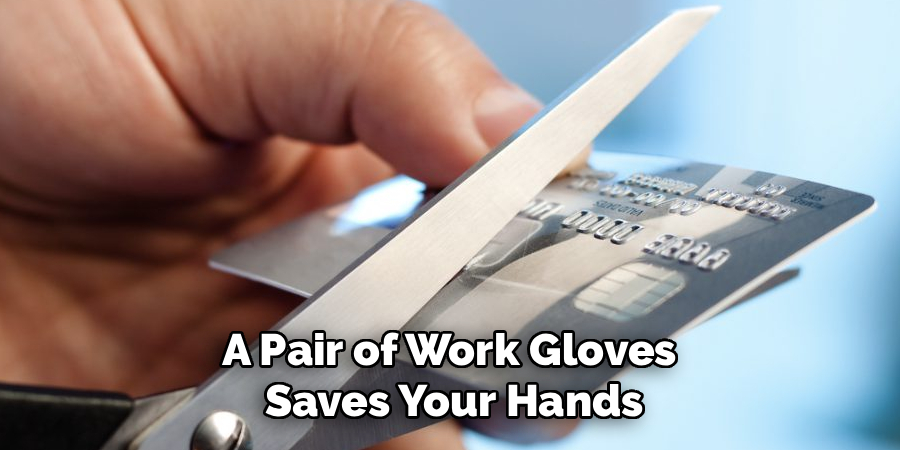
A pair of work gloves saves your hands from the freshly cut edges, which are sharper than you’d expect. Lay down a towel or work over a bin to catch the pieces, and you’re ready to go.
Step-by-Step Guide on How to Dispose of Metal Credit Cards
This is the part you came for. Work through the steps in order, and don’t skip the early ones, since confirming the card is dead matters as much as cutting it up.
Step 1: Confirm the Card Is Deactivated
Before anything else, make sure the card is genuinely closed or replaced. If you’ve activated a new one, the old card is usually deactivated automatically, but a quick check is worth a minute.
Log in to your account or call the issuer to confirm. Destroying a card that’s still active can leave you scrambling to undo the mess, so settle this first.
Step 2: Set Up a Safe Workspace and Put On Protection
Clear a sturdy surface and lay down a towel or some cardboard to catch fragments. Pull on your gloves and slip the safety glasses into place.
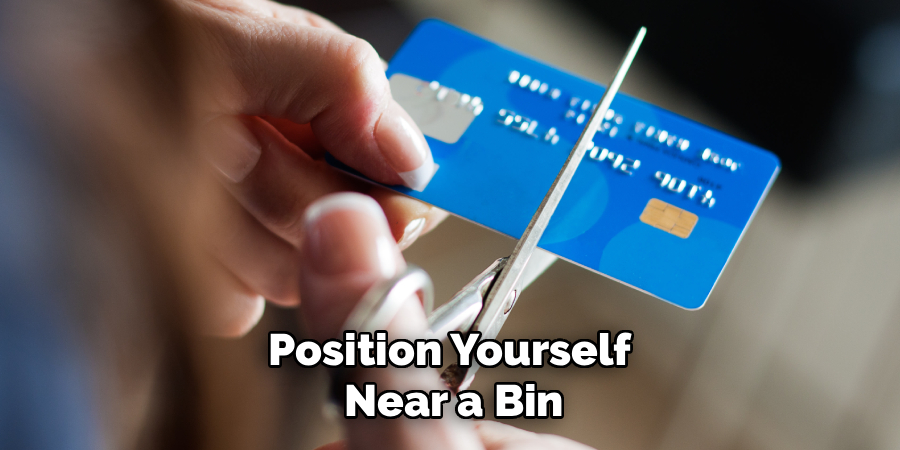
Position yourself near a bin or a tray that can hold the cut pieces. A tidy setup keeps sharp slivers from scattering across the floor where bare feet might find them later.
Step 3: Destroy the Chip and Magnetic Strip
Start with the data-bearing parts, since these matter most. Cut directly through the chip first, slicing it into at least two pieces so its contacts can’t be read.
Then run your snips across the magnetic strip on the back, cutting through it in a couple of spots. Scratching it deeply with a file works too. The goal is to make both genuinely unreadable.
Step 4: Cut Through the Card Number and Your Name
With the chip and strip handled, turn to the printed details. Cut straight through the long account number so no continuous string of digits survives intact.
Slice through your name and the expiration date as well. Aim to break up every readable piece of information rather than leaving any single fragment that tells a useful story.
Step 5: Separate the Pieces for Extra Security
Don’t leave the cut pieces sitting together in one neat pile. A determined thief could, in theory, reassemble them like a puzzle.
Split the fragments into separate groups. Keep half for one disposal trip and the rest for another, or simply scatter them across different bags. It’s a small habit that adds a real layer of protection.
Step 6: Choose Your Final Disposal or Recycling Method
Now decide where the pieces go. Many issuers offer a mail-back program, which we’ll cover shortly, and that’s often the cleanest choice.
Alternatively, a scrap metal recycler will take the fragments. Whatever you choose, the card should never end up whole in a regular trash bin. Pick the route that fits your situation and move the pieces toward it.
Step 7: Confirm No Personal Data Remains
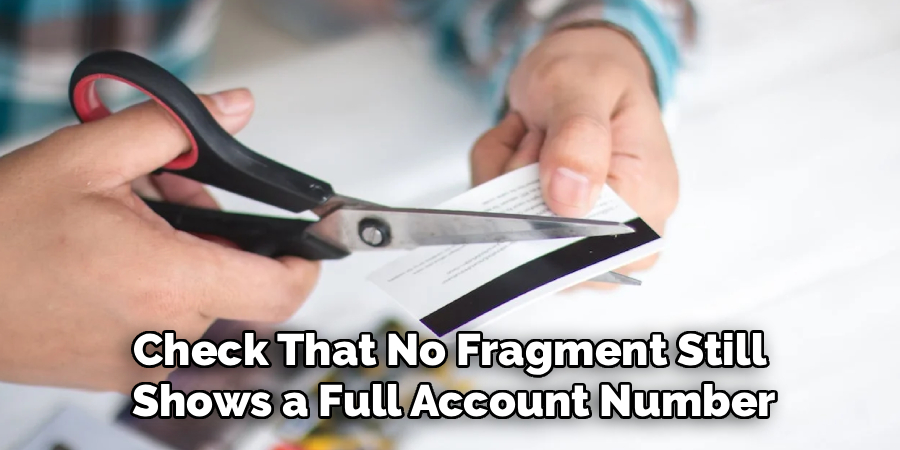
Before you let the pieces leave your sight, give them one last look. Check that no fragment still shows a full account number, your complete name, or an intact chip.
If anything looks recoverable, cut it again. This final glance takes seconds and closes the door on the most common oversight, which is assuming the job’s done when it isn’t quite.
Returning Your Card to the Issuer
Cutting the card yourself isn’t your only path. Plenty of banks would rather take the old card back, and that often makes life easier.
Banks That Offer Mail-Back Programs
Several issuers of premium metal cards run dedicated return programs. They’d prefer you send the card back so they can dispose of it securely and recover the metal themselves.
This is common with the heavier, fancier cards, since the issuers know exactly what went into making them. A quick search of your bank’s website or a call to customer service tells you whether yours qualifies.
How to Request a Prepaid Return Envelope
If a mail-back program exists, the issuer will usually send a prepaid, secure envelope on request. Some include one automatically when they mail your replacement card.
Call or check your online account to ask. Once the envelope arrives, you drop the card in and post it, no cutting required. It’s about as hands-off as disposal gets.
What the Issuer Does With Old Cards
Curious where the card ends up? Most issuers run returned cards through industrial shredders built for metal, then send the material off to be recycled.
Your data gets destroyed under controlled conditions, and the metal reenters the supply chain. For anyone who’d rather not handle tin snips, this route covers both security and the environment in one move.
Recycling Metal Credit Cards Responsibly
If you’ve cut the card yourself, the metal still deserves a proper home. Recycling it correctly takes a touch more effort than tossing a soda can, but not much.
Finding a Metal Recycling Facility
A local scrap metal yard or recycling center will generally accept small metal items, including your cut-up card. A quick online search for metal recyclers near you turns up the options.
Call ahead to confirm they’ll take small mixed-metal pieces, since policies differ. Some facilities have a minimum quantity, in which case you might save the fragments alongside other scrap metal you’ve been meaning to clear out.
Why You Cannot Use Curbside Recycling
It’s tempting to drop the pieces in your household recycling bin, but that usually causes more harm than good. Curbside systems are set up for cans, bottles, and paper, not multi-layered metal cards.
The mixed materials and small size can jam sorting machinery or simply get tossed as contamination. A dedicated metal recycler handles them properly, which is why the extra trip is worth making.
Destruction Methods for Doing It Yourself
If snips alone don’t fully satisfy you, or the card proves especially tough, a few other methods get the job done. Choose based on the tools you already have.
Using Tin Snips or Heavy-Duty Shears
For most metal cards, quality tin snips remain the simplest and most effective tool. They bite through the layered metal with a firm squeeze, letting you slice the card into small, harmless pieces.
Work methodically, cutting through the chip and strip before reducing the rest to fragments. Keep your gloved hand clear of the blade’s path, since the leverage that cuts metal cuts skin just as readily.
When to Consider Filing or Drilling
For a particularly thick or stubborn card, a metal file or a drill offers another way in. Filing through the chip and strip destroys the data even when cutting feels like hard going.
A drill bit punched through the chip, and the magnetic strip was ruined quickly. These methods suit the heavier alloy cards that resist snips, though they take a little more patience and a steady hand.
Wiping Your Personal Data Before Disposal
Physical destruction matters, but a few cards now carry digital features worth addressing first. A moment of attention here closes a gap most people never think about.
Disabling Digital and Tap-to-Pay Features
Some metal cards link to contactless or tap-to-pay systems and may be saved in a digital wallet. Before disposal, remove the card from any wallet apps on your phone or other devices.
Confirming the card is closed with your issuer usually disables these features automatically. Still, deleting it manually from your apps leaves nothing lingering in the background to confuse you later.
Double-Checking for Hidden Account Details
Look the card over for anything beyond the obvious number. Some cards print a partial account reference, a security code, or contact details you’d rather not broadcast.
Make sure your cuts pass through all of it. Turning the card over and checking both faces takes a few seconds and catches the details that a quick, careless snip might leave readable.
Common Mistakes to Avoid
A couple of predictable slip-ups account for most disposal regrets. Both are easy to dodge once you know to watch for them.
Throwing the Card Away Whole
The biggest mistake is the simplest one: dropping the card in the trash intact because cutting it seems like a hassle. A whole card is a gift to anyone sifting through your bin.
It only takes a few minutes to render it useless. Skipping that step trades a little convenience now for a real risk of fraud later, which rarely feels like a fair trade once something goes wrong.
Forgetting to Destroy the Chip
People often cut the card into pieces, yet leave the chip intact in one of them. That chip can still hold readable account data even after the card is in fragments.
Make a point of slicing or drilling directly through it. The chip is the part most worth protecting, so treat it as the priority rather than an afterthought.
Tips for Handling Future Card Replacements
Cards expire on a schedule, so this won’t be the last one you retire. A few simple habits make the next round painless.
Setting a Reminder Before Cards Expire
Check the expiration date on your current cards and jot a note in your calendar a month ahead. That way, the replacement and the disposal don’t catch you off guard.
A little warning lets you confirm the new card works before destroying the old one. It’s a small bit of planning that saves you from rushing the job when the time comes.
Keeping a Simple Disposal Routine
Once you’ve done this properly, stick with the same steps each time. Keep your snips and gloves together somewhere handy, so the task never feels like a fresh ordeal.
A repeatable routine turns a chore into a two-minute habit. The more automatic it becomes, the less likely you are to cut corners or let an old card sit around longer than it should.
Conclusion
Now that you know how to dispose of metal credit cards, you’ve got what you need to protect your identity and keep recyclable metal out of a landfill at the same time. You’ve seen how to confirm the card’s deactivated, destroy the chip and strip, cut through your details, and choose a recycling or mail-back route that does right by both your security and the environment.
Even a tough metal card is easy to handle once you make a start. So gather your tools, set aside a few minutes today, and work through the steps at your own pace. Before long, you’ll rest easy knowing that old card is gone for good, and that’s a small peace of mind worth having.

About
Stuart Rich is a distinguished figure in the world of metalworking and fabrication, with a decade of expertise creating innovative and sustainable metal projects. His professional focus lies in merging traditional blacksmithing and machining with modern manufacturing techniques, fostering designs that are both practical and durable. As the author of Metalenify, Stuart Rich delves into the art and science of metallurgy and DIY metal creation, inspiring artisans, hobbyists, and industry professionals alike.
Education
RMIT University
(Melbourne, Australia)
Associate Degree in Engineering Technology (Mechanical / Manufacturing)
Focus on metallurgical properties, industry-driven projects, and practical metal craftsmanship. Gained hands-on experience with traditional machining and digital manufacturing tools, such as CAD, CNC software, and precision welding equipment.
Nottingham Trent University
(United Kingdom)
Bachelor’s in Product Design and Materials Engineering (Honors)
Specialized in product design with a heavy focus on blending creativity with metal production and fabrication techniques. Participated in real-world industry projects, collaborating with architectural and hardware manufacturing companies to optimize material efficiency.
Publications and Impact
In Metalenify, Stuart Rich shares his insights on structural metal design processes, material grades, and strategies for efficient shop production. His writing bridges the gap between raw artisan knowledge and modern industrial needs, making it a must-read for both budding DIY metalworkers and seasoned fabrication professionals.