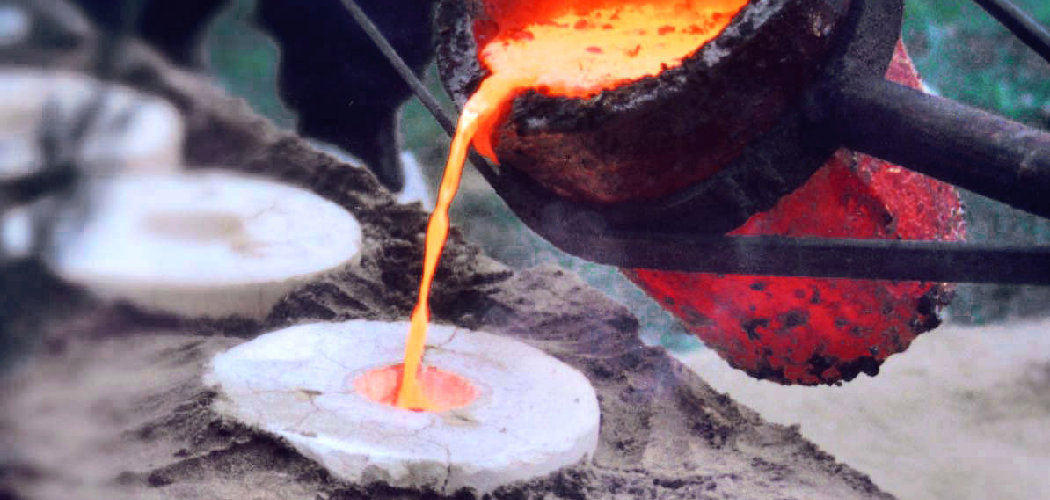
Forged steel sits quietly inside some of the strongest tools, blades, and machine parts you will ever handle, yet many people cannot tell it apart from cheaper cast or stamped metal. Forging is a process where steel is shaped under intense pressure and heat, which aligns the inner grain and creates remarkable strength and durability. That hidden quality is exactly why forged pieces last longer and resist cracking better than their cast cousins. Sadly, look-alike products often get sold at premium prices, leaving buyers confused and sometimes overcharged.
The good news is that you do not need a metallurgy degree to spot the difference. With a handful of simple observations and a few easy tests, you can read the clues that reveal genuine forging. This friendly guide breaks down how to identify forged steel in plain, beginner-friendly language, so nothing feels intimidating or overly technical. Whether you are buying tools, collecting knives, or simply curious about that heavy wrench in your garage, you will finish with the confidence to judge quality accurately and shop a great deal smarter.
Why Identifying Forged Steel Matters
Knowing what you are holding saves money and prevents disappointment. Forged steel costs more because it performs better, so confirming authenticity ensures you actually get the strength and longevity you paid for. Cast or stamped substitutes can fail under stress, which becomes dangerous in tools, automotive parts, or load-bearing hardware.
There is real practical value too. When you correctly identify a forged piece, you can set fair prices, choose reliable equipment, and avoid the heartbreak of a snapped blade or cracked fitting. Collectors protect their investments, mechanics select safer components, and hobbyists build sharper buying instincts. This small habit of checking turns guesswork into genuine confidence and empowers you to make smart, informed decisions every single time you handle a metal product.
Step-by-Step Guide to How to Identify Forged Steel
Step 1: Prepare Your Workspace and Clean the Piece
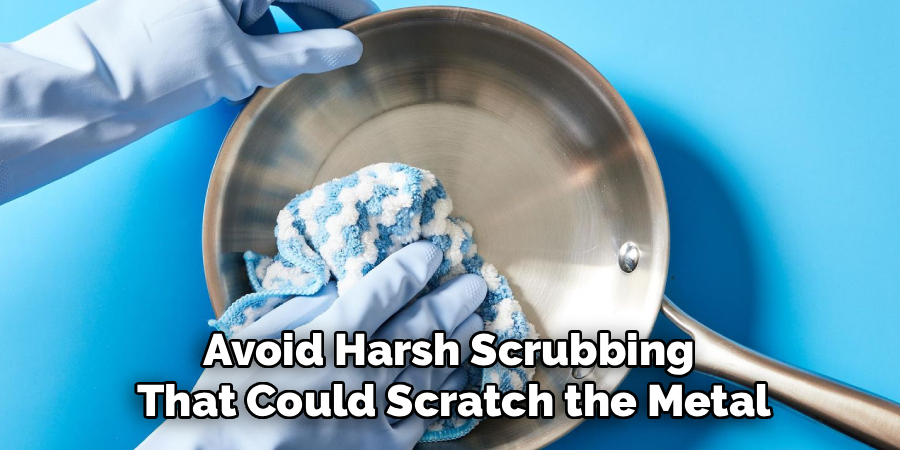
Start by setting up a clean, well-lit area where small details become easy to see. Gather a magnifying glass, a soft cloth, a magnet, a file, and a flashlight for angled lighting. Before you inspect anything, gently wipe away dust, grease, and grime, because dirt hides surface clues and stamped markings. Avoid harsh scrubbing that could scratch the metal or remove important details. Good preparation makes every following check clearer and far more reliable. Take your time here, since a clean surface lets you read texture, seams, and stamps with much greater accuracy and far less guesswork.
Step 2: Inspect the Surface Texture and Grain
Run your fingers and eyes across the surface under strong, angled light. Forged steel often shows a slightly rough, fibrous texture with visible flow lines that follow the shape of the piece, because the metal was pressed and stretched rather than poured. Cast steel, by contrast, tends to look grainier, with a sandy or pitted surface left behind by the mold. Learning how to identify forged steel by these texture differences gives you one of the fastest visual clues available. With a little practice, your eyes will start spotting those telltale flow lines almost instantly on any quality piece.
Step 3: Look for Seams, Parting Lines, and Mold Marks
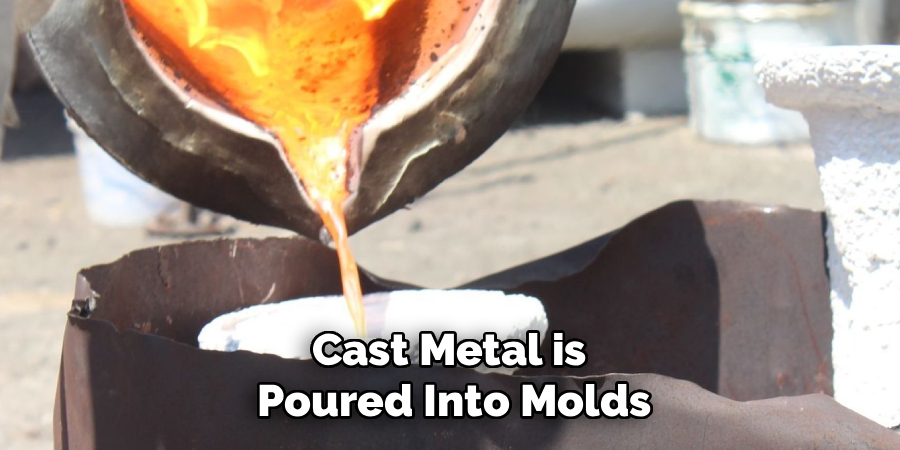
Cast metal is poured into molds, so it frequently leaves behind giveaway evidence. Examine the edges and surfaces closely for parting lines, raised seams, or small bumps where molten metal seeped between mold halves. You might also notice tiny air bubbles or pinholes trapped during cooling. Forged pieces rarely show these traits because they are hammered or pressed into shape, producing cleaner, more continuous contours. If you spot an obvious seam running around the body, you are most likely looking at a cast product. These small details quietly reveal the true manufacturing story behind almost any steel object you examine.
Step 4: Check for Manufacturer Stamps and Markings
Manufacturers proud of their forging often say so directly. Grab your magnifying glass and search the surface for stamped words like “forged,” “drop forged,” or “hot forged,” which usually appear on tools, wrenches, and quality blades. You may also find logos, grade codes, or country-of-origin marks pressed deeply into the metal. Forged stamps tend to look crisp and slightly indented because they were struck under pressure. Cast markings, on the other hand, often appear raised and softer around the edges. Reading these stamps takes patience, yet they offer some of the clearest and most dependable evidence you can find.
Step 5: Perform a Weight and Balance Test
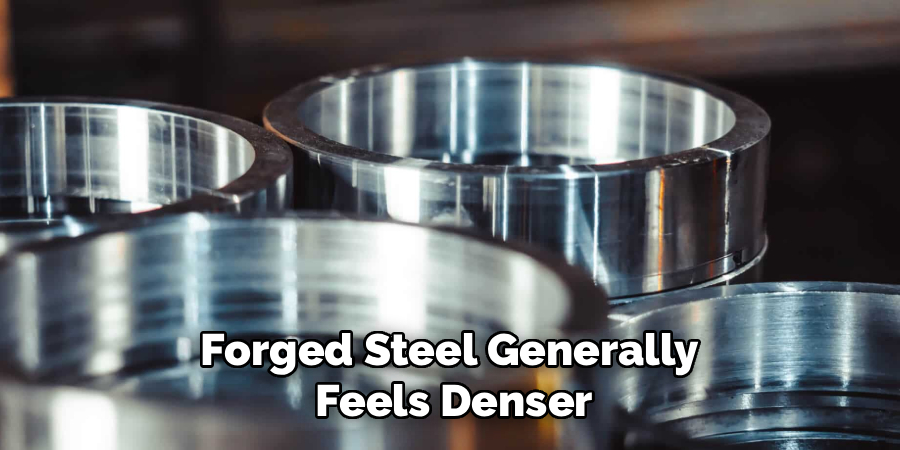
Pick the piece up and feel how it sits in your hand. Forged steel generally feels denser and better balanced because the forging process compacts the internal structure and removes hollow voids. Cast items can feel slightly lighter for their size, or oddly weighted, since trapped air pockets reduce density. Compare the item against a known forged tool if you have one handy, and notice how the heft and balance differ. This simple sensory check will not confirm everything alone, yet it adds another solid layer of evidence that supports what your visual inspections already suggest.
Step 6: Try a File or Spark Test
For a deeper check, drag a file across a hidden edge or briefly touch the steel to a bench grinder. Forged steel usually resists filing more firmly and produces tight, controlled sparks in fairly consistent patterns. Cast steel often files more easily and throws sparks that look duller or more scattered. The spark color and shape hint at carbon content and structure, giving experienced eyes useful clues. Always wear safety glasses, work in a ventilated space, and test an inconspicuous spot first. Mastering how to identify forged steel through these hands-on tests bridges simple observation and confident, practical judgment.
Step 7: Confirm With a Professional or Documentation
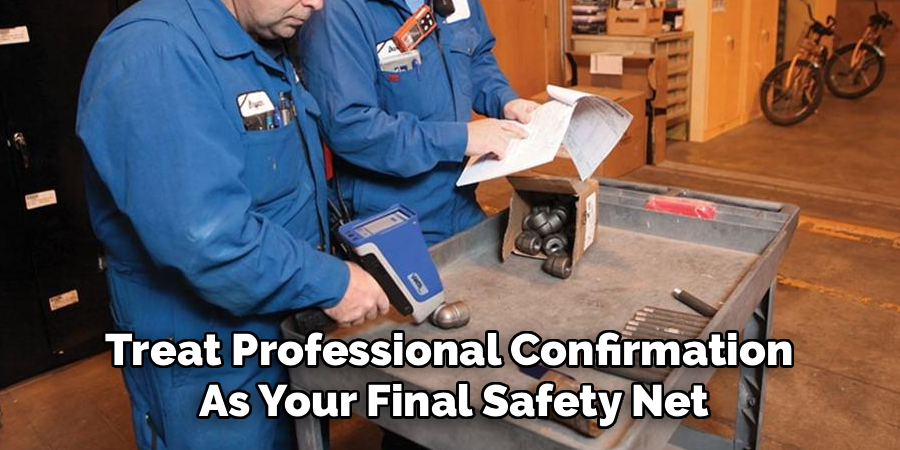
For absolute certainty, especially with valuable tools or critical parts, turn to an expert or paperwork. A metallurgist or experienced machinist can examine grain structure, hardness, and finish to deliver a trustworthy verdict. Manufacturer specification sheets, product catalogs, and reputable seller documentation also reveal whether a piece was forged or cast. Yes, this step takes a little extra time, yet it provides documented, reliable answers you can stand behind. Treat professional confirmation as your final safety net whenever the stakes feel high, the value runs large, or you simply want complete peace of mind about your purchase.
Frequently Asked Questions
What Is the Difference Between Forged and Cast Steel?
Forged steel is shaped by hammering or pressing solid metal under heat and pressure, which aligns its grain and boosts strength. Cast steel is created by pouring molten metal into a mold, then letting it cool. Forging produces tougher, more impact-resistant parts with fewer internal flaws, while casting allows complex shapes more easily. The forging process generally results in greater durability, making forged pieces ideal for high-stress tools and components.
Is Forged Steel Always Stronger Than Cast Steel?
In most cases, yes. The forging process compacts the metal and aligns its internal grain, which removes voids and creates excellent resistance to impact and fatigue. Cast steel can still perform well for certain shapes and lighter loads, but it is more prone to hidden air pockets and weak spots. For tools, blades, and load-bearing parts that face heavy stress, forged steel usually offers superior reliability and a longer working life.
Can I Identify Forged Steel Without Any Tools?
Absolutely. Your eyes and hands reveal a surprising amount. Look for smooth, flowing surface lines, a denser feel, and the absence of mold seams or pinholes. Check for stamped words like “forged” pressed into the metal. While simple tools sharpen your accuracy, careful visual inspection and a quick weight comparison can often point you toward the right answer. With practice, these no-tool checks become a fast and reliable first screening.
Why Does Forged Steel Cost More?
Forging requires intense heat, heavy machinery, and skilled labor to shape solid metal under pressure, which naturally raises production costs. That extra effort produces stronger, more durable parts with fewer internal defects. Buyers pay a premium because forged items typically last longer and perform better under stress. When you consider the improved strength, safety, and lifespan, the higher price often delivers genuine long-term value rather than simply costing more upfront.
Where Is Forged Steel Commonly Used?
Forged steel appears in countless high-stress applications where strength truly matters. You will find it in hand tools like wrenches and hammers, quality kitchen and outdoor knives, automotive crankshafts, connecting rods, and industrial machine parts. Aerospace components, hardware, and load-bearing fittings also rely on forging for safety and durability. Anywhere reliability under pressure is essential, manufacturers frequently choose forged steel to ensure parts withstand demanding, repeated use.
Conclusion
Telling forged steel apart from cheaper cast or stamped metal no longer has to feel like a mystery. Start with the easy, free checks by studying surface texture and flow lines, hunting for mold seams, and reading any stamped markings under good light. From there, build confidence with a weight and balance comparison, step up to a careful file or spark test, and finally seek professional confirmation or documentation whenever the value or safety truly matters. Each method stacks another layer of certainty onto the last, and combining several gives you the most trustworthy result of all.
The real reward is the independence these skills bring. Once you understand how to identify forged steel, you can walk into any hardware store, tool sale, or workshop and read the clues like a seasoned pro. Your knowledge protects your wallet, sharpens your eye, and grows stronger with every piece you examine. So pick up a tool from around your home today and put one of these tests to work. With a little practice, accurate identification quickly becomes second nature.

About
Stuart Rich is a distinguished figure in the world of metalworking and fabrication, with a decade of expertise creating innovative and sustainable metal projects. His professional focus lies in merging traditional blacksmithing and machining with modern manufacturing techniques, fostering designs that are both practical and durable. As the author of Metalenify, Stuart Rich delves into the art and science of metallurgy and DIY metal creation, inspiring artisans, hobbyists, and industry professionals alike.
Education
RMIT University
(Melbourne, Australia)
Associate Degree in Engineering Technology (Mechanical / Manufacturing)
Focus on metallurgical properties, industry-driven projects, and practical metal craftsmanship. Gained hands-on experience with traditional machining and digital manufacturing tools, such as CAD, CNC software, and precision welding equipment.
Nottingham Trent University
(United Kingdom)
Bachelor’s in Product Design and Materials Engineering (Honors)
Specialized in product design with a heavy focus on blending creativity with metal production and fabrication techniques. Participated in real-world industry projects, collaborating with architectural and hardware manufacturing companies to optimize material efficiency.
Publications and Impact
In Metalenify, Stuart Rich shares his insights on structural metal design processes, material grades, and strategies for efficient shop production. His writing bridges the gap between raw artisan knowledge and modern industrial needs, making it a must-read for both budding DIY metalworkers and seasoned fabrication professionals.