Bearing numbers are standardized codes that identify a bearing’s type, size, and specifications. To identify one, read the prefix, basic number, and suffix in sequence. Each part reveals details—from bore diameter to load capacity—that determine whether the bearing suits your application.
Selecting the wrong bearing can bring an entire machine to a grinding halt. Whether you’re maintaining industrial equipment or sourcing replacement parts, knowing how to read a bearing number correctly saves time, money, and a fair amount of frustration. The trouble is, most bearing codes look like a random string of letters and numbers at first glance.
This guide on how to identify bearing numbers breaks down the process into six clear steps, covering everything from prefixes to suffixes. By the end, you’ll be able to decode any bearing number with confidence—and sidestep the common mistakes that lead to costly errors.
Understanding Bearing Numbering Systems
Bearing numbers follow internationally recognized standards, most notably those set by ISO (International Organization for Standardization) and ABMA (American Bearing Manufacturers Association). These systems provide a shared technical language for engineers, technicians, and procurement teams across the globe.
A standard bearing number has three main components: the prefix, the basic number, and the suffix. The prefix identifies the bearing series or type variant. The basic number encodes the bore size and dimension series. The suffix describes special features—internal clearance, cage type, or sealing arrangements, among others. Understanding how these parts work together is the foundation of accurate bearing identification.
6 Steps on How to Identify Bearing Numbers
Step 1: Locate the Bearing Number on the Component
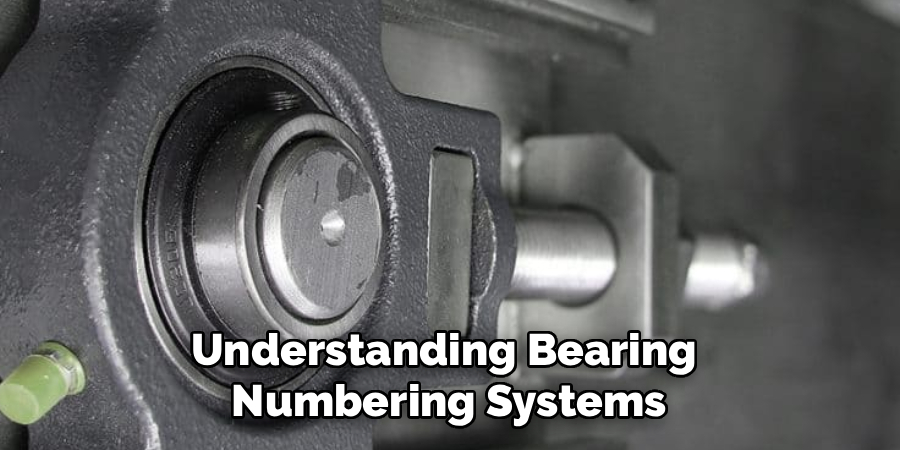
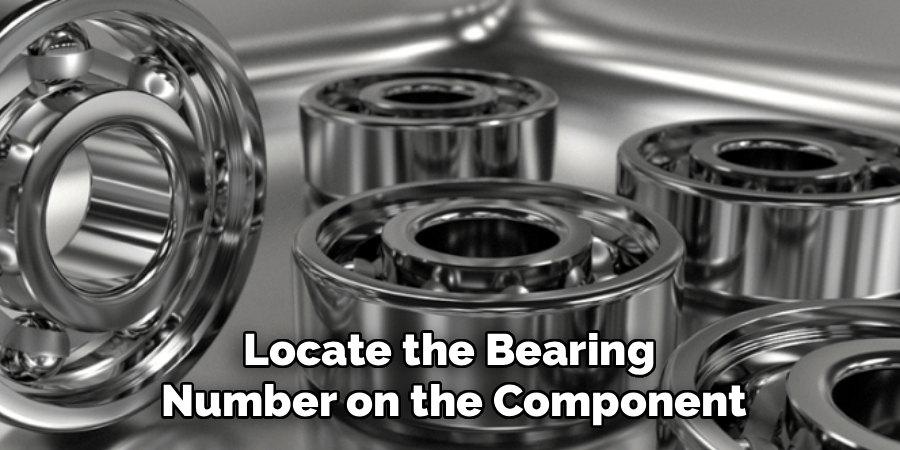
Start by physically finding the number on the component itself. Most bearings have their identification code stamped or engraved directly on the outer ring. If it’s worn off due to age or heavy use, check the original equipment documentation, parts catalog, or maintenance records.
Always clean the surface before attempting to read the number. Grease, debris, or oxidation can make digits look alike—a “6” can easily pass for an “8” under poor lighting. A photo taken under direct light or a magnifying glass can help confirm what you’re actually looking at.
Step 2: Identify the Prefix
The prefix appears before the basic number and typically consists of one or more letters. These letters indicate special design features or variations from the standard configuration. “NU,” for example, signals a cylindrical roller bearing. “L” may denote a separable ring.
Not every bearing has a prefix. If there are no letters before the numeric sequence, the bearing follows a standard design with no special modifications. Getting this part right sets the stage for everything else.
Step 3: Decode the Basic Number
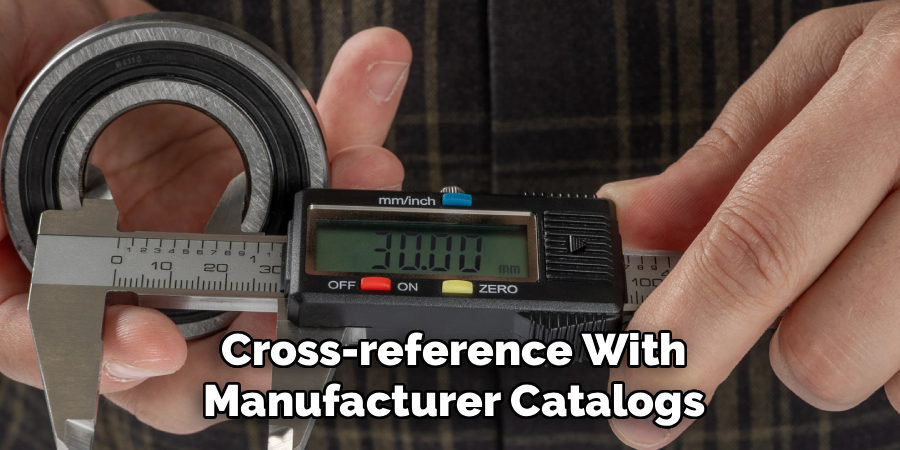
The basic number is the core of the bearing code and usually contains two to four digits. The first digit or digits represent the dimension series—a combination of the width and diameter series. The final two digits, when multiplied by five, give you the bore diameter in millimeters.
A basic number ending in “08,” for instance, indicates a 40mm bore (8 × 5 = 40). For bore sizes below 10mm, specific codes apply: 00 = 10mm, 01 = 12mm, 02 = 15mm, and 03 = 17mm. Once this calculation becomes second nature, you’ll find the whole identification process moves considerably faster.
Step 4: Determine the Bearing Type from the Type Code
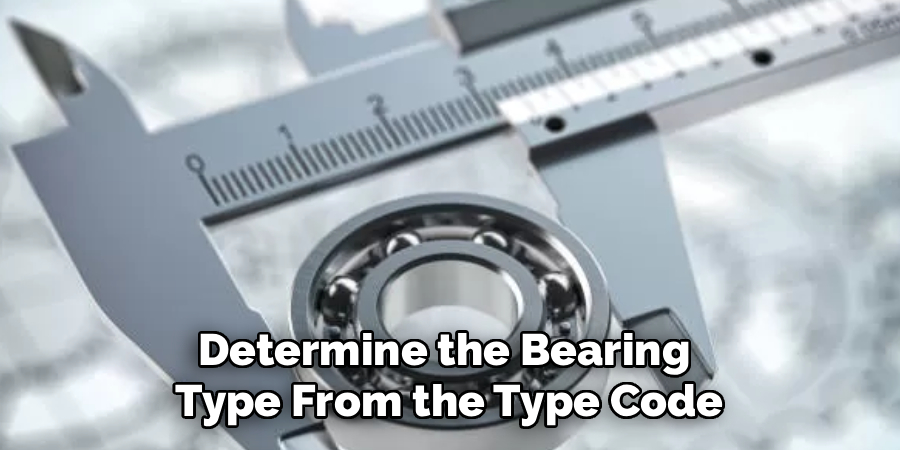
The first digit of the basic number typically indicates the bearing type. Common type codes include 6 for deep groove ball bearings, 7 for angular contact ball bearings, N or NU for cylindrical roller bearings, and 3 for double-row angular contact bearings.
This step matters more than it might seem. Different bearing types are engineered for different load directions and operating speeds. Installing a thrust bearing where a radial bearing is required, for example, will result in rapid failure. Cross-reference the type code against the manufacturer’s catalog to confirm compatibility before you proceed.
Step 5: Interpret the Suffix
The suffix follows the basic number and adds specification detail that’s easy to overlook—but shouldn’t be. Common suffix components include internal clearance codes (C3 or C4), sealing or shielding designations (Z for a metal shield, RS or 2RS for rubber seals), and cage material codes.
A bearing marked “6205-2RS/C3” is a deep groove ball bearing with a 25mm bore, double rubber seals, and a C3 internal clearance. That C3 designation means the bearing has greater-than-normal internal play—useful in applications where temperature fluctuations or slight shaft misalignment are expected. Reading the suffix carefully ensures the bearing you source will actually perform under your operating conditions.
Step 6: Cross-Reference with Manufacturer Catalogs
Once you’ve decoded the number, verify your findings against the manufacturer’s official catalog or an authorized distributor’s database. Major manufacturers—SKF, NSK, FAG, and Timken among them—publish detailed cross-reference guides that help confirm specifications and identify equivalent bearings from different brands.
This step is particularly worth the effort when sourcing a replacement from a different manufacturer. Basic numbers may match while suffixes diverge in ways that affect clearance class or seal design. A cross-reference check catches these discrepancies before they turn into equipment downtime.
Following these steps on how to identify bearing numbers, you should now have a better understanding of the different types and formats of bearing numbers.
Common Mistakes to Avoid When Reading Bearing Numbers
Misreading similar-looking characters is one of the most frequent errors. Digits like “1” and “7,” or the letter “B” and the number “8,” are surprisingly easy to confuse on worn components. Clean and inspect the marking surface before you record anything.
Ignoring the suffix entirely is another trap. Sourcing a bearing based solely on the basic number—without accounting for clearance class or sealing type—often produces a part that fits physically but fails well before its expected service life. The full bearing number is a complete specification. Treating it as merely a size reference tends to create problems down the line.
Practical Tips for Faster, More Accurate Identification
Use digital tools. Many bearing manufacturers offer free online search tools and mobile apps for decoding bearing numbers and verifying specifications in real time.
Keep a reference chart. A laminated copy of standard bore diameter codes and type code tables in your workshop can cut identification time significantly.
Document as you go. Recording bearing numbers, locations, and replacement dates in a maintenance log makes future servicing considerably more straightforward.
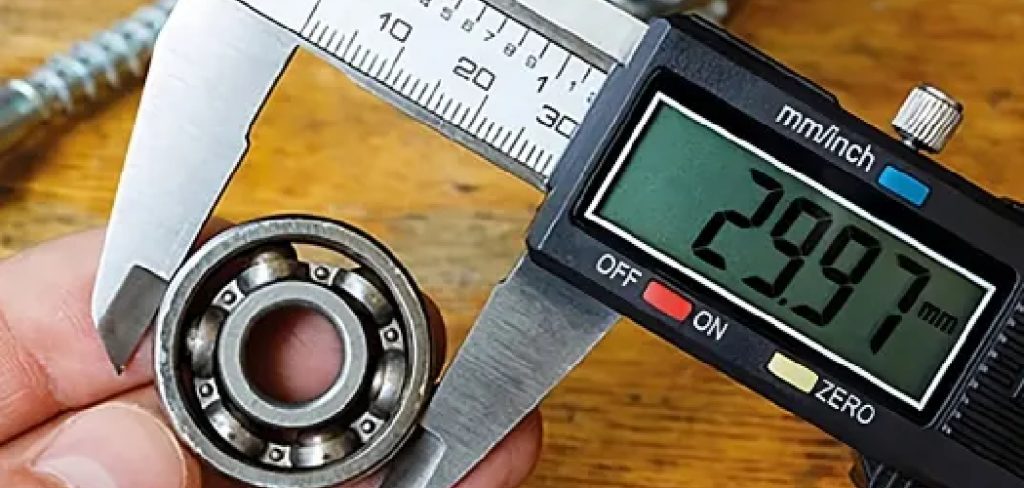
When in doubt, measure. If the number is unreadable, use calipers to measure bore diameter, outer diameter, and width, then cross-reference those dimensions in a manufacturer’s catalog.
Source from reputable suppliers. Counterfeit bearings are common in certain markets and frequently carry incorrect or misleading numbers. Purchasing from authorized distributors protects both equipment and the people working with it.
How Bearing Number Formats Differ Across Bearing Families
Not all bearing families follow the same numbering conventions. Deep groove ball bearings—the most widely used type—generally follow the six-series format (e.g., 6204, 6305). Tapered roller bearings, particularly those in the Timken system, use a different alphanumeric format based on cone and cup designations.
Spherical roller bearings often carry a “2” or “3” prefix alongside additional codes for alignment tolerance. Needle roller bearings tend to use dimension-based codes rather than series codes. When working outside the common deep groove family, consult the specific manufacturer’s numbering guide rather than assuming any universal format applies. The differences between families are real, and the consequences of overlooking them can be significant.
Why Does Accurate Bearing Identification Matter Across Industries?
The practical consequences of correct bearing identification extend well beyond the workshop. In manufacturing plants, properly identified replacement bearings minimize unplanned downtime and keep production on schedule. In the automotive sector, the right bearing ensures that wheel hubs, gearboxes, and engine components perform safely within their rated service life.
In precision applications—medical devices or aerospace components, for instance—specification errors may have implications that go beyond mechanical failure, touching on regulatory compliance and broader safety considerations. Accurate identification also streamlines procurement, reduces excess inventory, and supports predictive maintenance programs that extend overall equipment lifespan.
Frequently Asked Questions
What Does Each Part of a Bearing Number Tell You?
A bearing number has three sections: the prefix, the basic number, and the suffix. The prefix indicates bearing type or series variant. The basic number encodes bore diameter and dimension series—the last two digits multiplied by five give bore size in millimeters. The suffix describes additional features such as sealing arrangement, internal clearance, and cage material. Reading all three sections together provides the full bearing specification.
Can Bearing Numbers from Different Manufacturers Be Used Interchangeably?
Not always. While many manufacturers follow ISO standards for basic number formats, suffixes and internal design details can vary significantly between brands. A bearing from SKF and one from NSK may share the same basic number but differ in clearance class or cage design. Always use a manufacturer’s or distributor’s cross-reference guide to confirm that a substitute bearing meets the same technical requirements before making a swap.
How Do You Identify a Bearing Number When the Marking Is No Longer Readable?
When the marking is worn or damaged beyond legibility, use precision calipers to measure bore diameter, outer diameter, and width. Those three dimensions can then be cross-referenced against a manufacturer’s dimensional catalog to identify matching specifications. An authorized distributor can also assist in identifying the bearing based on its physical measurements and the equipment it came from.
Are ISO and ABMA Bearing Numbers Always Identical?
Not necessarily. ISO and ABMA standards are closely aligned, but minor differences exist in how certain designations are formatted or prioritized. For most common bearing types, the numbering is effectively interchangeable. For less common or highly specialized bearings, it may be worth confirming which standard the manufacturer has followed.
What Is Internal Clearance, and Why Does the Clearance Code Matter?
Internal clearance refers to the total movement possible between a bearing’s inner and outer rings when no load is applied. Standard clearance is designated CN (or no suffix), while C3 indicates greater-than-normal clearance and C4 is larger still. Selecting the correct clearance class matters because factors like operating temperature, interference fit, and shaft alignment all affect how a bearing performs under load. Using a bearing with insufficient clearance in a high-temperature application, for example, may suggest faster wear or early failure.
Start Reading Bearing Numbers with Confidence
Bearing identification is a practical skill. Work through the prefix, basic number, and suffix in sequence, cross-reference your findings with manufacturer catalogs, and you can decode virtually any bearing code with a reasonable degree of accuracy.
What tends to separate confident technicians from frustrated ones is consistency—reading the full number every time, skipping shortcuts, and keeping records. The codes that appear cryptic at first become familiar quickly. And that familiarity pays off every time you’re sourcing a replacement or troubleshooting a mechanical issue under time pressure. Thanks for reading this guide on how to identify bearing numbers.

About
Stuart Rich is a distinguished figure in the world of metalworking and fabrication, with a decade of expertise creating innovative and sustainable metal projects. His professional focus lies in merging traditional blacksmithing and machining with modern manufacturing techniques, fostering designs that are both practical and durable. As the author of Metalenify, Stuart Rich delves into the art and science of metallurgy and DIY metal creation, inspiring artisans, hobbyists, and industry professionals alike.
Education
RMIT University
(Melbourne, Australia)
Associate Degree in Engineering Technology (Mechanical / Manufacturing)
Focus on metallurgical properties, industry-driven projects, and practical metal craftsmanship. Gained hands-on experience with traditional machining and digital manufacturing tools, such as CAD, CNC software, and precision welding equipment.
Nottingham Trent University
(United Kingdom)
Bachelor’s in Product Design and Materials Engineering (Honors)
Specialized in product design with a heavy focus on blending creativity with metal production and fabrication techniques. Participated in real-world industry projects, collaborating with architectural and hardware manufacturing companies to optimize material efficiency.
Publications and Impact
In Metalenify, Stuart Rich shares his insights on structural metal design processes, material grades, and strategies for efficient shop production. His writing bridges the gap between raw artisan knowledge and modern industrial needs, making it a must-read for both budding DIY metalworkers and seasoned fabrication professionals.