To bend galvanized steel pipe, secure it in a pipe bender, mark your bend point, apply slow and steady pressure, and check the angle as you go. Working gradually prevents kinks and cracks in the zinc coating. Always wear protective gear—heating galvanized steel can release toxic fumes.
Bending galvanized steel pipe sounds like the kind of job best left to professionals. It isn’t. With the right tool and a bit of patience, most people can pull off a clean, accurate bend at home—no welding certification required.
What trips people up, though, is the material itself. Galvanized pipe isn’t just steel; it’s steel with a zinc coating, and that coating changes how you need to approach the job. Too much heat, too much force applied too fast, and you’re either cracking the coating or—worse—inhaling zinc fumes that can knock you flat with something called metal fume fever.
This guide on how to bend galvanized steel pipe covers everything: the tools worth having, the safety precautions that actually matter, and a clear seven-step process for getting a smooth, professional bend without damaging the pipe or yourself.
What Makes Galvanized Steel Pipe Different to Work With?
Galvanized steel pipe is standard steel pipe coated with a thin layer of zinc. That coating is what gives it the characteristic dull, silvery look—and what makes it genuinely useful in outdoor or high-moisture settings where bare steel would rust through within a few years.
The zinc layer does complicate bending, though. Applied too aggressively—or with heat you didn’t need—the coating cracks or flakes, leaving the underlying steel exposed. At that point, rust becomes a matter of when, not if. Understanding this upfront helps you choose the right method and avoid shortcuts that seem fine until the pipe starts corroding six months into the project.
Tools and Materials You’ll Need
Getting everything together before you start saves time and reduces the chance of mid-job improvisation (which is usually where mistakes happen).
- Pipe bender — manual, hydraulic, or electric, depending on pipe diameter
- Measuring tape for locating accurate bend points
- Permanent marker or soapstone to mark the pipe
- Pipe vise or clamp to hold the pipe steady
- Protractor or angle finder to verify your bend angle during the process
- Bending springs (optional but worth it for smaller pipe diameters)
- Safety gloves, goggles, and a respirator mask
- Lubricant to reduce friction and protect the coating
Safety Precautions Worth Taking Seriously
Galvanized steel and heat are a bad combination. When the zinc coating reaches high temperatures, it off-gasses fumes that cause metal fume fever—flu-like symptoms that set in a few hours after exposure and can last a day or two. It’s unpleasant and entirely avoidable if you stay away from the torch unless the pipe diameter genuinely demands it.
Cold bending avoids this risk entirely. If you do need heat, make sure you’re outside or in a space with serious ventilation, and wear a proper respirator—not just a dust mask.
Beyond fume risks: always secure the pipe before applying pressure. A pipe that slips mid-bend can whip or spring in ways that cause real injuries. Keep your workspace clear, gloves on, and goggles in place throughout.
7 Steps on How to Bend Galvanized Steel Pipe
Step 1: Measure and Mark the Bend Point
Find the exact location where the bend needs to start, measure carefully, and mark it clearly with a permanent marker or soapstone. If your project involves multiple bends, mark them all before you touch the bender—this keeps spacing consistent and saves you from remeasuring mid-job.
An inch off on the mark may seem minor. On a pipe that needs to fit into a specific frame or run alongside another structure, it rarely is.
Step 2: Secure the Pipe in a Vise or Clamp
Clamp the pipe firmly. This step gets skipped or done loosely more often than it should be, and it’s consistently where inaccurate bends and near-misses come from. The pipe needs to be completely immobile before you apply any pressure.
If you’re working with a smaller diameter pipe, slide the bending spring in now. It’ll support the pipe walls from the inside and significantly reduce the chance of kinking.
Step 3: Insert the Pipe into the Bender
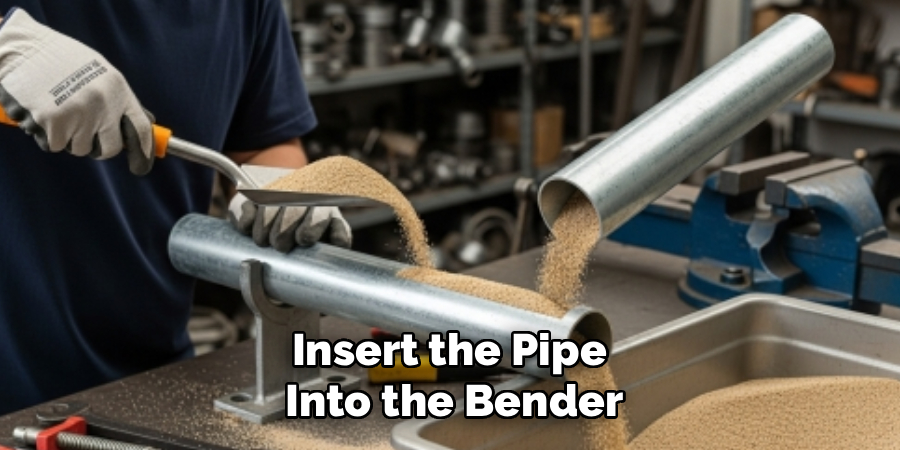
Line up your bend mark with the bender’s center point or forming die. Most benders have a reference marker for this—use it. Alignment here determines where the bend actually forms, so rushing through this step means your bend lands in the wrong place.
Apply a small amount of lubricant at the contact point before starting. This reduces friction during the bend and helps the zinc coating come through intact.
Step 4: Apply Slow and Steady Pressure
Start bending. Gradual, even pressure is the approach—not a fast, forceful push. Galvanized steel resists deformation, which means it needs consistent force applied over time rather than a single hard shove.
Work in small increments. If you feel significant resistance and the pipe isn’t moving, stop and check alignment before continuing. A slow bend almost always produces a cleaner result than an aggressive one, and there’s far less risk of flattening or cracking the pipe wall.
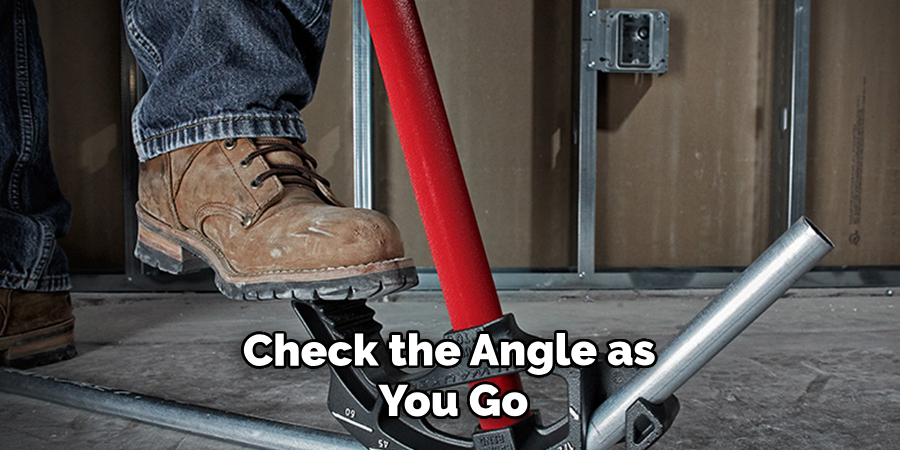
Step 5: Check the Angle as You Go
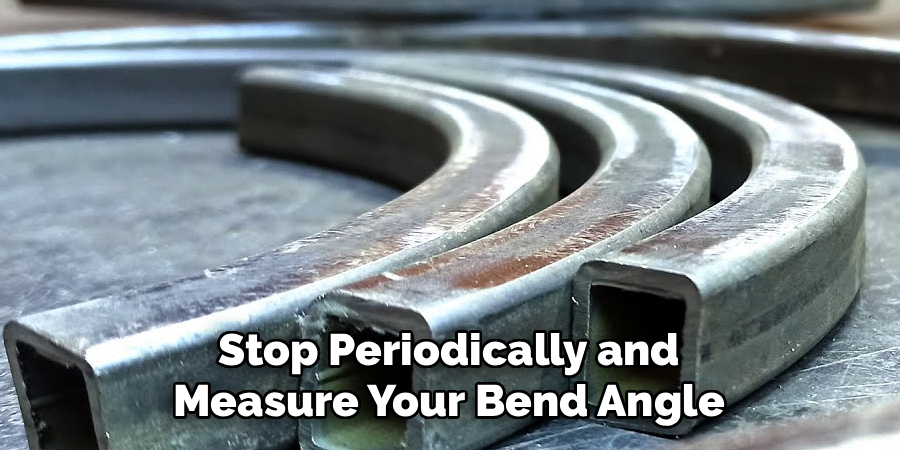
Stop periodically and measure your bend angle with a protractor or angle finder. Don’t wait until you think you’re done. Over-bending is significantly harder to fix than under-bending—trying to straighten an overbent galvanized pipe risks weakening the steel and cracking the coating further.
Get in the habit of checking every few degrees as you approach your target angle. It takes an extra minute and saves a lot of frustration.
Step 6: Make Final Adjustments
Once you hit your target angle, remove the pipe and inspect it. Look for kinks, flattened sections, or cracks in the zinc coating. If the angle needs a small correction, return the pipe to the bender and apply gentle pressure—but avoid repeated corrections on the same section, as this fatigues the steel.
Remove the bending spring if you used one, and confirm the bend fits your project before moving on.
Step 7: Inspect and Finish the Bend
Run a gloved hand along the pipe to feel for rough spots or damage. If the zinc coating cracked during the bend, apply a cold galvanizing spray to reseal the exposed steel—this matters most for anything going outdoors or into a wet environment.
File down any sharp edges. A finished bend should look clean and consistent, with no major distortion. Taking five minutes here can add years to the pipe’s lifespan.
Following these steps on how to bend galvanized steel pipe will ensure a successful and professional-looking job. Remember to always prioritize safety, use proper tools and techniques, and inspect your work before considering it complete.
Common Mistakes to Avoid
A few errors come up repeatedly, even among people who’ve done this before:
- Rushing the bend — Applying too much pressure too fast causes kinks and cracks almost every time
- Skipping the respirator — Particularly when any heat is involved, this is a real health risk
- Loose pipe in the vise — Leads to slipping, inaccurate bends, and potential injury
- Not checking the angle during the bend — Makes over-bending far more likely
- Leaving cracked zinc coating unrepaired — The steel underneath will rust, often faster than you’d expect
Where Bent Galvanized Pipe Gets Used?
The combination of strength and corrosion resistance makes galvanized pipe a natural fit for outdoor and structural applications. Handrails, guardrails, fencing, garden trellises, outdoor furniture frames—these are all common uses. In construction, it shows up in structural framing and custom brackets. Plumbers historically used it for water lines, though copper and PEX have largely replaced it in that context.
Because the zinc coating holds up well against moisture and daily wear, bent galvanized pipe tends to perform reliably in applications where bare steel would deteriorate quickly.
Frequently Asked Questions
Can You Bend Galvanized Steel Pipe Without Heat?
Yes—and in most situations, cold bending is the better approach. A manual or hydraulic pipe bender applies consistent force without any thermal risk, keeping the zinc coating intact and eliminating the possibility of fume exposure. Heat may be necessary for very thick or stubborn pipe diameters, but only as a last resort, and only in a well-ventilated space with a proper respirator.
What Is the Best Tool for Bending Galvanized Pipe?
For small to medium pipe diameters, a manual pipe bender handles the job well and costs relatively little. Larger or thicker pipe generally needs a hydraulic or electric bender to provide sufficient force without overworking the metal. If you only have one or two bends to make, renting a hydraulic bender from a hardware store is often more practical than buying one outright.
How Do You Prevent Galvanized Pipe From Kinking?
Support the inside of the pipe during the bend—either with a bending spring or by filling it with sand. This keeps the walls from collapsing under pressure. Using the correct die size for your pipe diameter also matters; a mismatched die increases kinking risk. Beyond that, slow and incremental pressure makes a bigger difference than most people expect.
What Should You Do If the Zinc Coating Cracks During Bending?
Apply a cold galvanizing compound or zinc-rich spray paint to the affected area as soon as possible. This reseals the exposed steel and restores corrosion protection. For pipes going into outdoor or high-moisture environments, this step isn’t optional—bare steel in those conditions will rust noticeably within months.
Start With a Practice Piece
Bending galvanized steel pipe well comes down to preparation, patience, and not skipping the safety basics. The process itself isn’t complicated—but the margin for error narrows quickly when you rush.
Before working on your actual project, spend a few minutes on a scrap piece of pipe. Get a feel for how the bender handles, how much pressure the pipe needs, and how the angle progresses. That small investment of time tends to pay off considerably once the real work begins. Thanks for reading this guide on how to bend galvanized steel pipe.

About
Stuart Rich is a distinguished figure in the world of metalworking and fabrication, with a decade of expertise creating innovative and sustainable metal projects. His professional focus lies in merging traditional blacksmithing and machining with modern manufacturing techniques, fostering designs that are both practical and durable. As the author of Metalenify, Stuart Rich delves into the art and science of metallurgy and DIY metal creation, inspiring artisans, hobbyists, and industry professionals alike.
Education
RMIT University
(Melbourne, Australia)
Associate Degree in Engineering Technology (Mechanical / Manufacturing)
Focus on metallurgical properties, industry-driven projects, and practical metal craftsmanship. Gained hands-on experience with traditional machining and digital manufacturing tools, such as CAD, CNC software, and precision welding equipment.
Nottingham Trent University
(United Kingdom)
Bachelor’s in Product Design and Materials Engineering (Honors)
Specialized in product design with a heavy focus on blending creativity with metal production and fabrication techniques. Participated in real-world industry projects, collaborating with architectural and hardware manufacturing companies to optimize material efficiency.
Publications and Impact
In Metalenify, Stuart Rich shares his insights on structural metal design processes, material grades, and strategies for efficient shop production. His writing bridges the gap between raw artisan knowledge and modern industrial needs, making it a must-read for both budding DIY metalworkers and seasoned fabrication professionals.