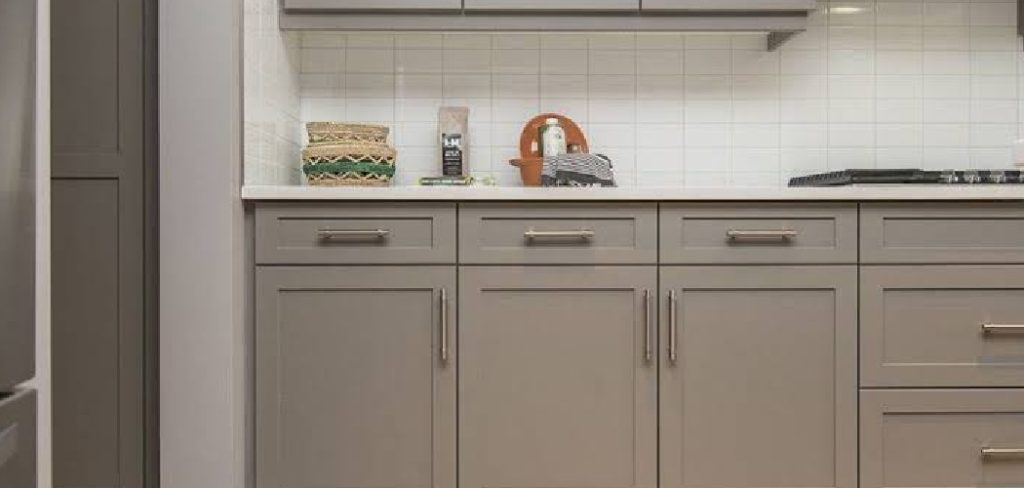
Few things are as annoying as opening a kitchen drawer and feeling the handle wobble in your grip. Loose metal cabinet handles look untidy, feel unreliable, and can lead to bigger problems if you ignore them for too long. The good news is that this is one of the easiest home repairs you can tackle, even if you’ve never picked up a screwdriver before.
Learning how to fix loose metal cabinet handles takes just a few minutes per handle and requires only basic tools you probably already own. You don’t need any special skills or expensive equipment. This guide walks you through everything from spotting the cause of the wobble to locking your hardware firmly back in place.
Whether you’re dealing with a single shaky pull or every handle in your kitchen, the steps here work for cabinets, drawers, and dressers alike. By the end, you’ll feel confident handling this small but satisfying fix on your own, and you’ll know exactly how to keep your hardware tight for the long run.
Why Fixing Loose Metal Cabinet Handles Matters
A wobbly handle isn’t just a cosmetic flaw. When a handle keeps shifting, the constant movement strains the screw threads and can crack the cabinet face or strip the holes over time. What starts as a quick tightening job can turn into a costly repair if left unchecked.
Fixing the problem early protects your furniture, keeps your cabinets working smoothly, and saves you money down the line. Tight handles also make daily tasks easier and safer, since you won’t risk pinching fingers or pulling a handle clean off mid-use.
There’s a practical bonus too. Crisp, secure hardware instantly makes a kitchen or bathroom look better maintained, which matters if you’re hosting guests or planning to sell your home. A few minutes of attention now means cleaner lines, better function, and one less small irritation in your daily routine.
Step-by-Step Guide to How to Fix Loose Metal Cabinet Handles
Step 1: Gather Your Tools

before you start, set out everything you’ll need so you’re not hunting for tools halfway through. you’ll want a Phillips and a flathead screwdriver, since cabinet hardware uses both types. keep a small bowl nearby to hold loose screws so they don’t roll away or fall into the cabinet. if you have a power drill with a screwdriver bit, that can speed things up, but it isn’t essential. having a damp cloth on hand also helps, since you can wipe away grime around the handle base. taking a minute to prepare makes the whole job faster and far less frustrating.
Step 2: Identify The Source Of The Wobble
next, figure out why the handle is loose in the first place. open the cabinet door or drawer and look at the back where the screw passes through. gently jiggle the handle and watch what moves. sometimes the screw has simply backed out a little, which is the easiest case to solve. other times the screw hole has widened, or the screw itself is bent or stripped. checking this first saves you from tightening something that won’t hold. understanding the cause helps you choose the right repair, so you don’t repeat the same fix in a few weeks and end up frustrated again.
Step 3: Tighten The Existing Screws
start with the simplest solution. hold the handle steady with one hand on the front of the cabinet, then use your screwdriver to turn the screw clockwise from the back. apply firm, even pressure until the screw feels snug, but stop before you force it. overtightening can strip the threads or crack the cabinet panel. if the handle stops wobbling, you’ve solved the problem and can move on. this basic tightening fixes most cases, and knowing how to fix loose metal cabinet handles often comes down to nothing more than a careful turn of the wrist.

Step 4: Replace Worn Or Stripped Screws
if tightening doesn’t hold, the screw may be worn or the wrong length. remove it completely and inspect the threads for damage. take the old screw to a hardware store to match the size, or measure its length and diameter at home. a slightly longer screw can grip fresh material and create a stronger hold. when you install the new screw, line it up straight and turn slowly to avoid cross-threading. a fresh screw often makes all the difference when the original has lost its bite after years of daily opening and closing.
Step 5: Fix A Stripped Or Widened Hole
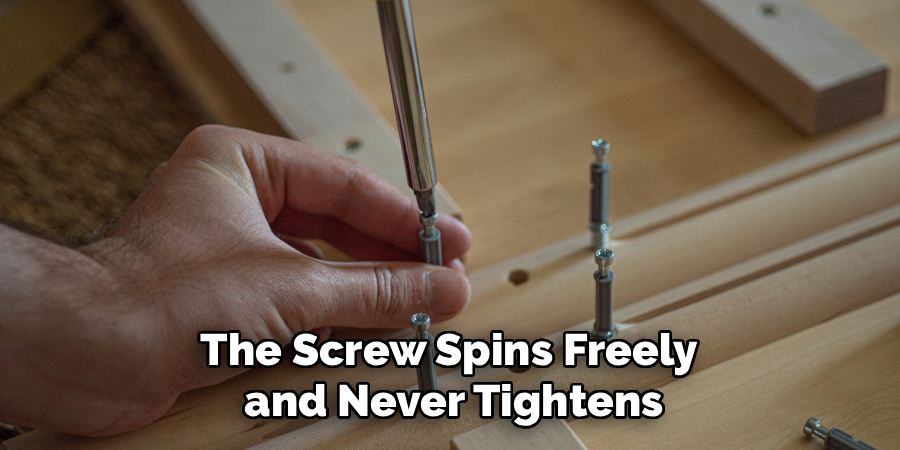
sometimes the hole itself is the problem, especially in older or particleboard cabinets. when the opening grows too wide, the screw spins freely and never tightens. a simple trick is to insert a few wooden toothpicks or a matchstick coated with wood glue into the hole. let the glue set, then trim the excess flush with the surface. this gives the screw fresh material to grab. for larger gaps, a hardwood dowel works better. once cured, drive the screw back in and you’ll feel it bite firmly again.
Step 6: Add A Threadlocker Or Lock Washer
for handles that loosen no matter what you do, a little extra grip goes a long way. add a small dab of removable threadlocker to the screw threads before driving them in. this liquid sets and stops vibration from working the screw loose over time. alternatively, slip a small lock washer between the screw head and the cabinet back. both options resist the daily jostling that gradually loosens hardware. these are the same tricks professionals rely on, and learning how to fix loose metal cabinet handles for good often means stopping the wobble before it ever returns.
Step 7: Test And Finish Up
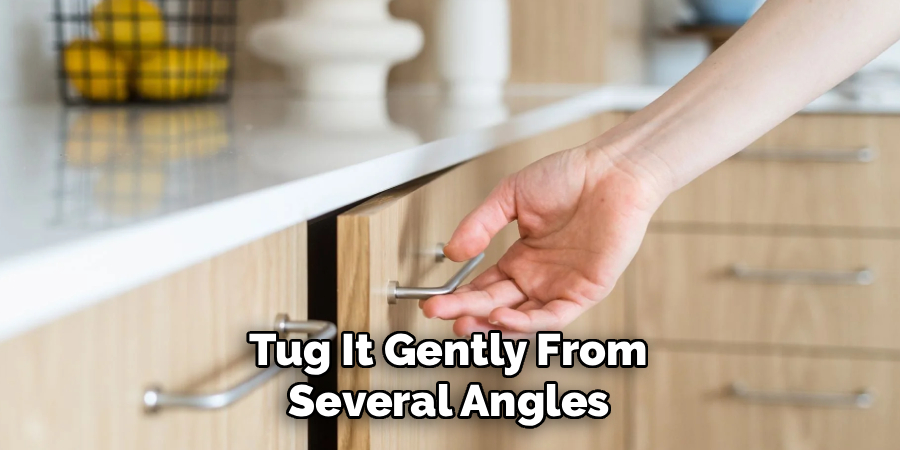
with the handle secured, give it a final check. tug it gently from several angles and open the cabinet a few times to confirm it stays put. wipe down the handle and surrounding surface with your damp cloth to remove any fingerprints, dust, or glue residue. if you fixed one handle, take a moment to check the others nearby, since hardware that loosens together usually wears together. a quick pass across all your cabinets now prevents repeat trips later. step back, admire your work, and enjoy the satisfying feel of hardware that no longer wobbles.
Frequently Asked Questions
Why Do My Cabinet Handles Keep Coming Loose?
Cabinet handles loosen mainly from daily use. Every time you open a drawer, the handle takes a small pull, and that repeated motion slowly backs out the screw. Humidity, temperature changes, and aging cabinet material also weaken the grip over time. If your handles loosen often, a dab of threadlocker or a lock washer usually stops the cycle and keeps them secure for much longer.
What Tools Do I Need For This Repair?
In most cases, a simple Phillips or flathead screwdriver is all you need. For tougher jobs, keep a power drill, replacement screws, wood glue, toothpicks, and a small lock washer handy. These inexpensive items cover nearly every situation you’ll face. Having them ready before you start means you can finish the repair in one go without interrupting your work for an unexpected trip to the store.
Can I Fix A Stripped Screw Hole Without Replacing The Cabinet?
Absolutely. A stripped hole rarely means replacing anything. The easiest fix is filling the hole with glue-coated toothpicks or a small wooden dowel, then letting it dry before reinserting the screw. This gives the threads fresh material to grip. The repair is invisible once finished and holds remarkably well, saving you the cost and hassle of swapping out an entire cabinet door or drawer front.
How Tight Should I Make The Screws?
Tighten screws until they feel snug and the handle no longer wobbles, then stop. Going further risks stripping the threads or cracking the cabinet panel, which creates a bigger problem than the one you started with. A good rule is to turn until you feel firm resistance, give it the slightest extra nudge, and test the handle. If it stays solid, you’ve reached the right tension.
Should I Replace My Handles Instead Of Repairing Them?
That depends on their condition. If a handle is bent, badly corroded, or cracked, replacing it makes more sense than repeating repairs. But if the handle is solid and only the screw or hole is the issue, a quick fix is faster and cheaper. Replacement is also a great option if you simply want a fresh look, since new hardware can update a room instantly.
Conclusion
Tightening a wobbly handle is one of the most rewarding quick fixes around because it delivers instant results with very little effort. You’ve now seen how to diagnose the wobble, tighten or replace screws, repair stripped holes, and add simple safeguards that keep everything firmly in place. Each step builds on the last, so even a complete beginner can work through the whole process with confidence.
The real secret to how to fix loose metal cabinet handles is acting early and choosing the right solution for the cause. Don’t wait for a small wobble to become a cracked panel or a handle that falls off in your hand. Grab your screwdriver, check your cabinets today, and enjoy the clean, secure feel of hardware that stays put. Once you’ve mastered this fix, you’ll handle every loose handle in your home like a pro.

About
Stuart Rich is a distinguished figure in the world of metalworking and fabrication, with a decade of expertise creating innovative and sustainable metal projects. His professional focus lies in merging traditional blacksmithing and machining with modern manufacturing techniques, fostering designs that are both practical and durable. As the author of Metalenify, Stuart Rich delves into the art and science of metallurgy and DIY metal creation, inspiring artisans, hobbyists, and industry professionals alike.
Education
RMIT University
(Melbourne, Australia)
Associate Degree in Engineering Technology (Mechanical / Manufacturing)
Focus on metallurgical properties, industry-driven projects, and practical metal craftsmanship. Gained hands-on experience with traditional machining and digital manufacturing tools, such as CAD, CNC software, and precision welding equipment.
Nottingham Trent University
(United Kingdom)
Bachelor’s in Product Design and Materials Engineering (Honors)
Specialized in product design with a heavy focus on blending creativity with metal production and fabrication techniques. Participated in real-world industry projects, collaborating with architectural and hardware manufacturing companies to optimize material efficiency.
Publications and Impact
In Metalenify, Stuart Rich shares his insights on structural metal design processes, material grades, and strategies for efficient shop production. His writing bridges the gap between raw artisan knowledge and modern industrial needs, making it a must-read for both budding DIY metalworkers and seasoned fabrication professionals.