Water dripping from your attic ceiling on a cold morning can feel like a mystery, but it’s actually a common and fixable problem. Metal roofs are durable, energy efficient, and long lasting, yet they can trap moisture when warm indoor air meets a cold metal surface. That moisture turns into droplets, and those droplets can soak insulation, stain ceilings, and even invite mold. Learning how to stop metal roof attic condensation is the key to protecting your home and your peace of mind.
The good news is that you don’t need to be a roofing expert to understand what’s happening or how to fix it. Condensation forms when air, temperature, and moisture get out of balance in your attic space. Once you know the causes, the solutions become clear and surprisingly simple. In this guide, we’ll walk you through why this problem matters, a practical step-by-step plan you can follow at any skill level, and answers to the questions homeowners ask most. Let’s get your attic dry and your roof working the way it should.
Why Metal Roof Attic Condensation Matters
Condensation might seem like a minor annoyance, but ignoring it can lead to costly damage over time. When moisture builds up in your attic, it can rot wooden framing, ruin insulation, and create the perfect environment for mold and mildew to grow. These problems often stay hidden until they become expensive repairs, so catching them early saves you both money and stress.
Solving condensation also improves your home’s comfort and energy efficiency. Dry, well-balanced attic air helps your insulation do its job, which keeps heating and cooling costs in check. You’ll breathe healthier air, protect your roof’s lifespan, and avoid those frustrating water stains on your ceilings. Tackling the issue now means a safer, drier, and more efficient home for years to come, with far fewer surprises waiting overhead.
Step-by-Step Guide to How to Stop Metal Roof Attic Condensation
Step 1: Identify the Source of the Moisture
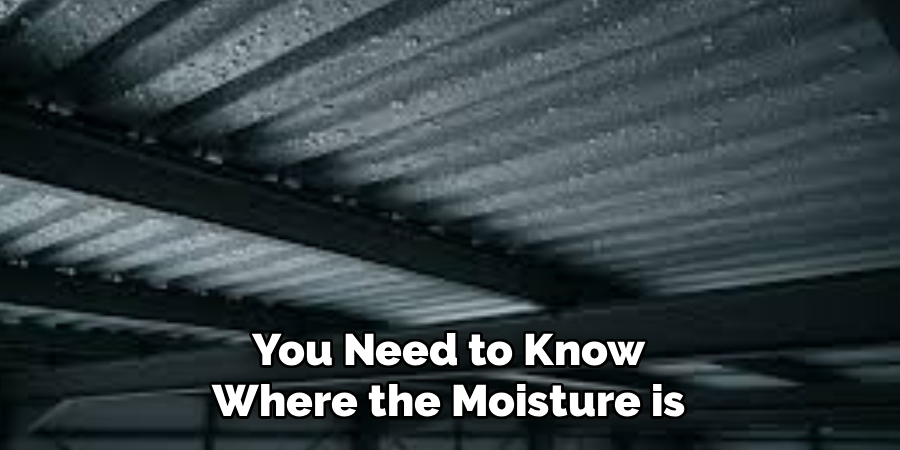
before you fix anything, you need to know where the moisture is coming from. start by inspecting your attic on a cold morning when condensation is most visible. look for water droplets on the underside of the metal roof, damp insulation, or dark staining on the wood. these clues tell you whether the moisture is rising from inside your home or leaking in from outside. understanding the source helps you choose the right solution instead of guessing. take your time here, because a clear diagnosis makes every following step easier, faster, and far more effective for your specific situation.
Step 2: Improve Attic Ventilation
proper airflow is one of the most powerful tools you have. when warm, humid air sits trapped in the attic, it meets the cold metal and turns into water. adding intake vents near the eaves and exhaust vents near the ridge creates a steady flow that carries moisture out before it can condense. this balanced system, often called passive ventilation, works around the clock without electricity. if your attic feels stuffy or smells musty, poor ventilation is likely the culprit. learning how to stop metal roof attic condensation almost always starts with getting fresh air moving through the space.
Step 3: Add or Upgrade Insulation
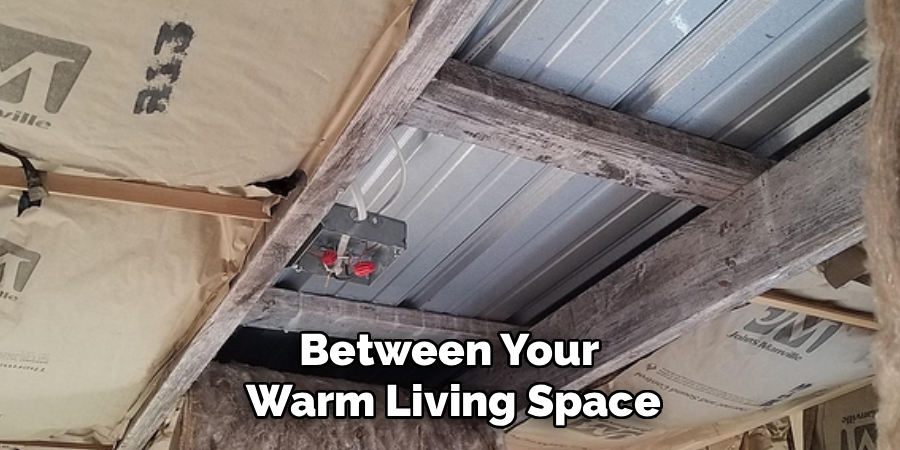
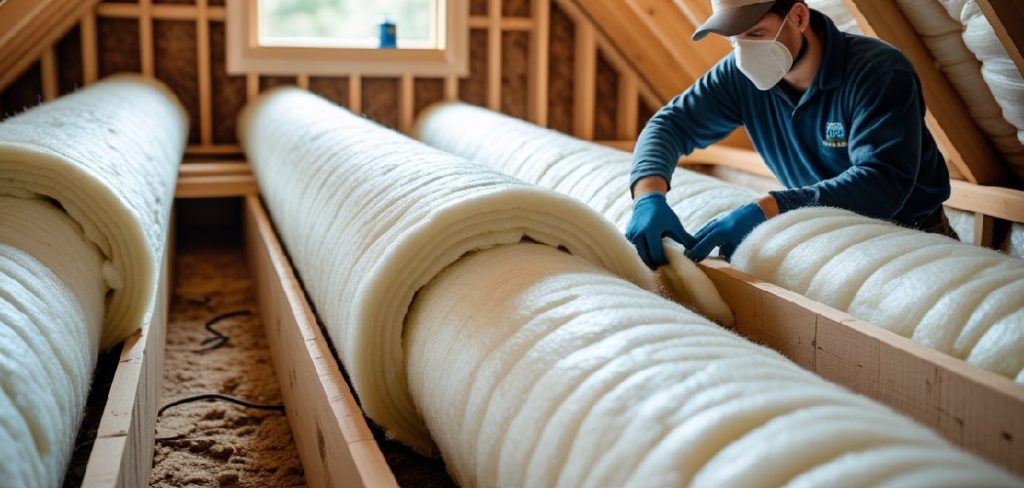
insulation acts as a barrier between your warm living space and the cold roof above. without enough of it, heat escapes upward, warms the metal, and triggers condensation. adding insulation, especially spray foam or batt insulation rated for your climate, keeps that warm air where it belongs. pay close attention to gaps around light fixtures, vents, and attic hatches, since these spots leak heat easily. upgrading insulation not only reduces moisture but also lowers your energy bills. it’s a practical, beginner-friendly improvement that delivers comfort and protection at the same time, with benefits you’ll notice quickly.
Step 4: Install a Vapor Barrier
a vapor barrier is a moisture-resistant layer that stops humid indoor air from drifting up into the attic. it’s usually installed on the warm side of your insulation, facing your living space. by blocking that rising moisture, the barrier prevents water from ever reaching the cold metal surface. this step is especially important in humid climates or homes with high indoor moisture from cooking, showers, or laundry. when paired with good ventilation, a vapor barrier becomes a reliable defense. it’s a smart, long-term solution that quietly works behind the scenes to keep your attic dry and healthy.
Step 5: Seal Air Leaks Around the Home
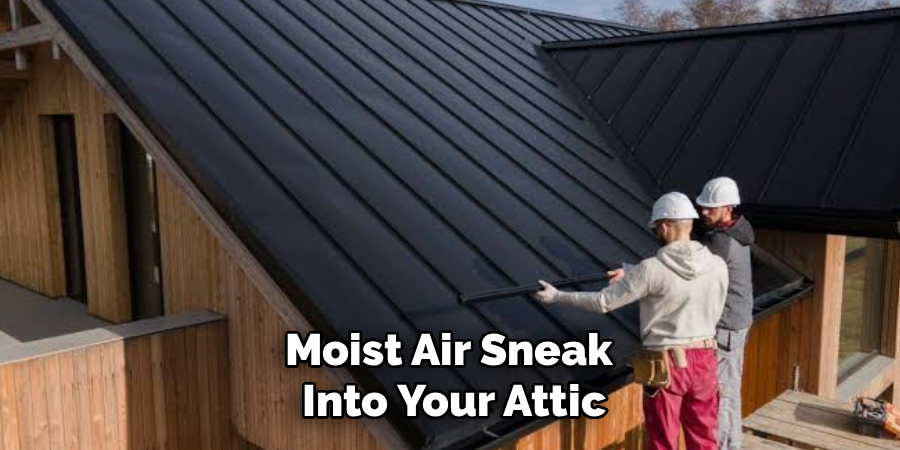
even small gaps can let warm, moist air sneak into your attic. check around plumbing pipes, electrical wiring, recessed lights, and the attic access door. use caulk or expanding foam to seal these openings tightly. this simple, low-cost step makes a surprising difference, because it stops humid air at the source instead of letting it climb upward. knowing how to stop metal roof attic condensation often comes down to these small, careful details that add up to big results. set aside an afternoon, work methodically, and you’ll close off the hidden pathways that feed the problem.
Step 6: Control Indoor Humidity
your daily habits affect how much moisture ends up in your attic. activities like cooking, showering, and drying clothes release humidity into your home, and that moisture naturally rises. running exhaust fans in kitchens and bathrooms, venting your dryer outside, and using a dehumidifier in damp seasons all help keep indoor humidity in check. aim for an indoor humidity level between thirty and fifty percent for the best results. by managing the moisture you create every day, you reduce the load on your attic and make every other prevention step work even better and last longer.
Step 7: Schedule Regular Roof Inspections
prevention is an ongoing effort, not a one-time fix. set a reminder to inspect your attic and roof at least twice a year, ideally in spring and fall. look for new leaks, damaged insulation, blocked vents, or early signs of moisture returning. catching small issues early keeps them from becoming major repairs. if you ever feel unsure, a professional roofer can spot problems you might miss and offer expert guidance tailored to your home. regular check-ins give you confidence that your roof stays dry, your repairs hold up, and your home remains protected through every season of the year.
Frequently Asked Questions
What Causes Condensation Under a Metal Roof?
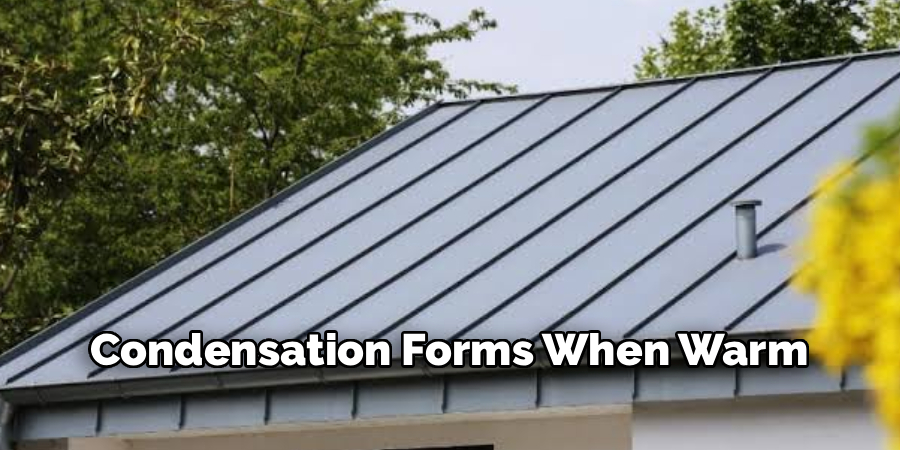
Condensation forms when warm, humid air inside your home rises and meets the cold underside of the metal roof. The temperature difference causes water vapor to turn into liquid droplets. Poor ventilation, missing insulation, and high indoor humidity all make the problem worse. By balancing airflow, sealing leaks, and managing moisture, you can prevent these droplets from forming and protect your attic from water damage.
Is Attic Condensation a Serious Problem?
Yes, it can be if left untreated. Ongoing moisture leads to rotting wood, ruined insulation, and mold growth that affects both your home and your health. Over time, hidden damage can become costly to repair. The encouraging news is that condensation is highly preventable. With proper ventilation, insulation, and humidity control, you can stop the issue early and keep your attic safe, dry, and structurally sound for years.
How Much Ventilation Does My Attic Need?
A common guideline is one square foot of ventilation for every three hundred square feet of attic space, split evenly between intake and exhaust vents. This balance lets fresh air flow in low and stale, humid air escape high. Every home is different, though, so factors like climate and roof design matter. If you’re unsure, a roofing professional can measure your space and recommend the right setup for your needs.
Can I Fix Attic Condensation Myself?
Many homeowners can handle the basics, like sealing air leaks, adding insulation, running exhaust fans, and improving simple ventilation. These tasks are beginner-friendly and budget-conscious. However, larger jobs such as installing ridge vents or vapor barriers may require professional help. There’s no shame in calling an expert when needed. Combining your own efforts with professional guidance gives you the best results and the confidence that the job is done right.
How Do I Know If My Repairs Worked?
The clearest sign is a dry attic during cold or humid weather. After making improvements, check your attic on a chilly morning and look for droplets, damp insulation, or musty smells. If everything stays dry, your efforts are working. Continue monitoring through seasonal inspections, since conditions change throughout the year. Tracking your progress over time gives you reassurance and helps you catch any new issues before they grow.
Conclusion
A dry, healthy attic is well within your reach, no matter your experience level. By identifying the moisture source, improving ventilation, upgrading insulation, sealing leaks, and controlling indoor humidity, you create a balanced system that keeps water from ever forming on your roof. Each step builds on the last, and together they offer reliable, long-lasting protection. Regular inspections then give you the confidence that your hard work continues to pay off season after season.
Knowing how to stop metal roof attic condensation empowers you to protect your home, save money, and avoid stressful repairs down the road. Don’t wait for water stains or musty odors to appear before taking action. Start with the steps that feel most manageable today, and reach out to a trusted professional whenever you need expert support. Your roof, your comfort, and your peace of mind are worth the effort, so take that first step toward a drier, healthier home now.

About
Stuart Rich is a distinguished figure in the world of metalworking and fabrication, with a decade of expertise creating innovative and sustainable metal projects. His professional focus lies in merging traditional blacksmithing and machining with modern manufacturing techniques, fostering designs that are both practical and durable. As the author of Metalenify, Stuart Rich delves into the art and science of metallurgy and DIY metal creation, inspiring artisans, hobbyists, and industry professionals alike.
Education
RMIT University
(Melbourne, Australia)
Associate Degree in Engineering Technology (Mechanical / Manufacturing)
Focus on metallurgical properties, industry-driven projects, and practical metal craftsmanship. Gained hands-on experience with traditional machining and digital manufacturing tools, such as CAD, CNC software, and precision welding equipment.
Nottingham Trent University
(United Kingdom)
Bachelor’s in Product Design and Materials Engineering (Honors)
Specialized in product design with a heavy focus on blending creativity with metal production and fabrication techniques. Participated in real-world industry projects, collaborating with architectural and hardware manufacturing companies to optimize material efficiency.
Publications and Impact
In Metalenify, Stuart Rich shares his insights on structural metal design processes, material grades, and strategies for efficient shop production. His writing bridges the gap between raw artisan knowledge and modern industrial needs, making it a must-read for both budding DIY metalworkers and seasoned fabrication professionals.