A copper kettle can be more than a kitchen tool. It can be a piece of history, a family heirloom, or a smart antique investment. But how do you know if yours is a genuine antique or a clever modern reproduction? Learning how to tell the age of a copper kettle helps you spot the small clues that reveal its story. From the shape of the handle to the marks hidden on the base, every detail offers a hint about when and where it was made.
You do not need to be an expert appraiser to start. With a little patience and the right approach, you can read these clues like a detective. This guide walks you through each step in plain language, so you feel confident no matter your skill level. Whether you collect antiques, inherited a kettle from a relative, or simply love old objects, understanding a kettle’s age adds meaning and value to your find. Let’s explore the practical methods that experts use, and break them down into easy actions you can follow today.
Why Dating A Copper Kettle Matters
Knowing your kettle’s age does more than satisfy curiosity. It directly affects value, care, and authenticity. An accurately dated antique can be worth far more than a similar reproduction, so understanding age protects you from overpaying or selling too cheaply.
Age also guides how you clean and store your kettle. Older pieces may need gentler treatment to preserve their patina and structural integrity. Beyond money and maintenance, dating connects you to history. Each kettle reflects the tools, techniques, and tastes of its era. When you understand that context, an ordinary object becomes a meaningful story. For collectors, accurate dating builds credibility and trust, especially when buying, selling, or trading with others who value honest, well-researched provenance.
Step-by-Step Guide To How to Tell the Age of a Copper Kettle
Step 1: Examine The Construction Method

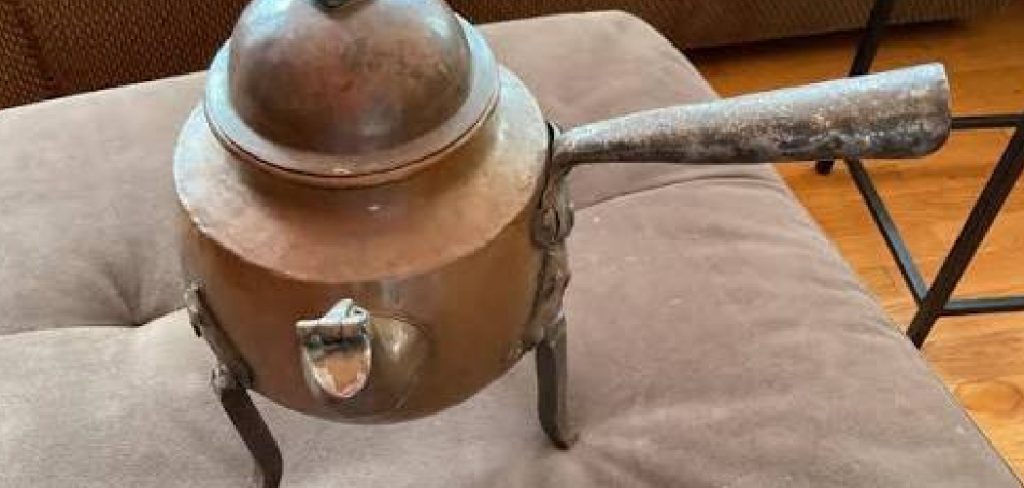
Start by looking closely at how the kettle was put together. Early kettles were handmade, so you might see hammer marks, uneven surfaces, and visible seams along the body. These dovetailed or lapped joints were soldered by hand, often with slight imperfections. Machine-made kettles from the late 19th century onward tend to look smoother and more uniform, with seamless or spun construction.
Run your fingers along the inside and outside. Rough, irregular textures usually point to older, hand-forged work. Clean, consistent finishes often suggest a newer, factory-produced piece. Construction is one of the most reliable first clues.
Step 2: Inspect The Seams And Joints
The seams tell a detailed story about manufacturing techniques. Hand-crafted kettles from the 1700s and early 1800s often feature dovetail seams, which look like a zigzag pattern where two copper sheets interlock. This labor-intensive method was standard before modern machinery existed.
By the mid-to-late 1800s, rolled and lapped seams became common as production sped up. Later, machine-rolled seams created neat, almost invisible joins. Knowing how to tell the age of a copper kettle often comes down to reading these joints carefully. Use a magnifying glass and good light to study the seam style, since it narrows your date range significantly.
Step 3: Look For Maker’s Marks And Stamps
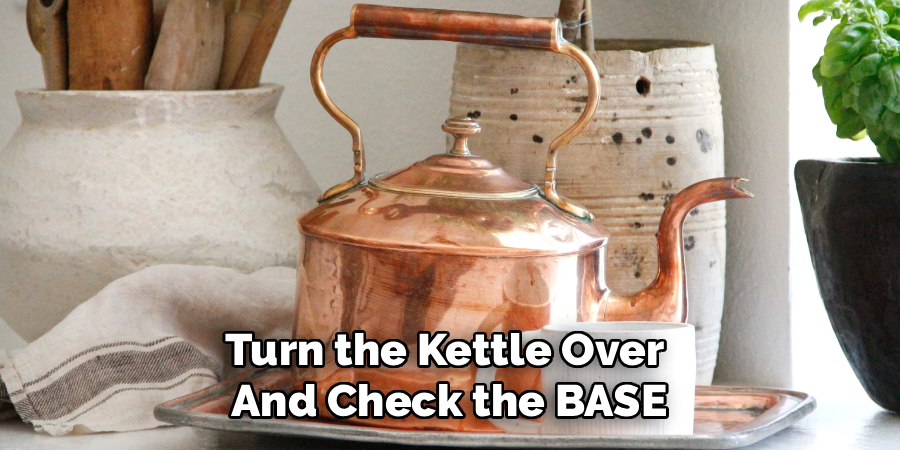
Turn the kettle over and check the base, handle, and lid for any stamps, engravings, or maker’s marks. Manufacturers often included names, initials, town names, or symbols that you can research later. These marks are gold for dating, because you can match them to known production periods.
Some marks indicate a specific country of origin or registration number, which helps pinpoint a manufacturing window. Keep in mind that not every kettle is marked, especially earlier handmade ones. If you find a mark, photograph it clearly and compare it against online maker databases and antique reference guides for confirmation.
Step 4: Study The Handle And Spout Design
Handles and spouts changed noticeably across different eras. Early kettles often had simple, functional handles made from copper or iron, sometimes with a swing or fixed design. The spout shape, length, and angle also evolved with changing styles and uses.
Look at how the handle attaches to the body. Hand-riveted or soldered joints suggest older craftsmanship, while welded or screwed fittings point to modern production. Decorative flourishes, such as ornate curves or brass accents, can hint at a particular period or region. Comparing your kettle’s silhouette to dated examples helps you place it more accurately within a timeframe.
Step 5: Assess The Patina And Wear
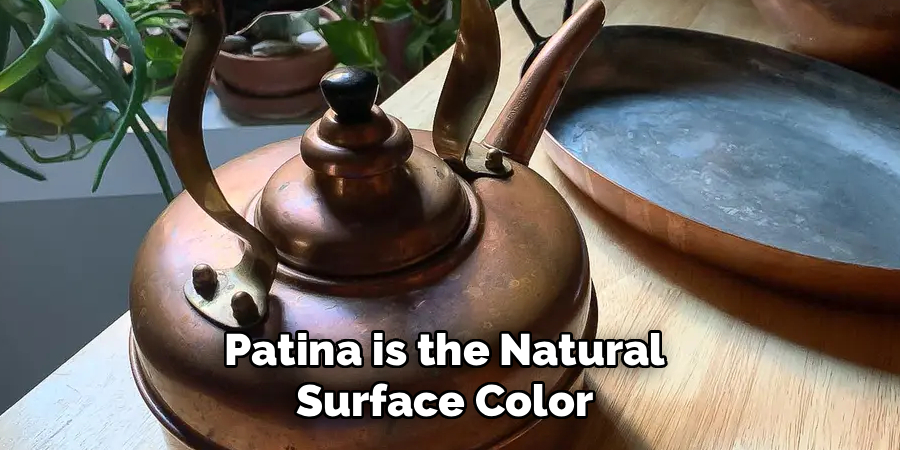
Patina is the natural surface color that copper develops over time through oxidation and handling. Genuine old patina builds slowly and unevenly, creating rich browns, soft greens, and darkened spots in protected areas. It feels organic and hard to fake.
Examine areas of natural wear, like the base, handle, and spout, where decades of use leave smooth, polished marks. Artificial aging often looks too uniform or overly green. When practicing how to tell the age of a copper kettle, patina offers strong supporting evidence, though it works best alongside other clues. Avoid stripping this layer, since it both confirms age and adds value.
Step 6: Measure The Copper Thickness And Weight
Older kettles were typically crafted from thicker, heavier copper because early metalworking favored durability over efficiency. Pick up the kettle and notice its weight. A surprisingly heavy, solid feel often indicates an antique piece made from substantial sheet copper.
Modern reproductions tend to use thinner, lighter material to cut costs. Gently tap the body and listen to the sound, since denser copper produces a deeper tone. While weight alone is not definitive, it adds useful context. Combine this observation with seam style and construction clues to build a stronger, more confident estimate of the kettle’s likely age.
Step 7: Research Historical Context And Compare
Finally, bring all your observations together and compare them against trusted references. Use antique guides, museum collections, auction listings, and collector forums to match your kettle’s features with documented examples. This research step confirms or adjusts your earlier estimates.

Pay attention to regional styles, since kettles from England, France, or America often differ in shape and detail. Consider the materials, technology, and design trends of the suspected era. Cross-referencing multiple sources reduces guesswork and boosts accuracy. The more examples you study, the sharper your eye becomes, and the more confident you will feel dating future finds on your own.
Frequently Asked Questions
Can A Copper Kettle Be Dated Without Any Maker’s Marks?
Yes, you can still estimate age without marks. Focus on construction methods, seam types, handle design, copper thickness, and patina. Hand-forged details and dovetail seams suggest older pieces, while smooth, uniform finishes point to modern production. Combining several clues gives a reliable date range, even when no maker’s stamp exists. Many genuine antiques were never marked at all.
How Can I Tell A Reproduction From A Genuine Antique?
Reproductions often feel lighter, look too uniform, and have welded or machine-made seams. Their patina may appear artificial, overly green, or evenly applied. Genuine antiques show natural, uneven wear, thicker copper, and hand-crafted imperfections like hammer marks. Examine the seams and handle attachments closely, and compare your piece to verified examples from trusted antique references and collector resources.
Does Patina Always Prove A Kettle Is Old?
Not on its own. Patina is a helpful clue, but it can be faked or artificially accelerated. Skilled sellers sometimes apply chemicals to mimic age. That is why you should pair patina with other evidence, such as construction style, seams, weight, and maker’s marks. When several clues agree, you can trust your estimate far more confidently than relying on surface color alone.
Should I Clean My Copper Kettle Before Dating It?
Avoid heavy cleaning before dating. Polishing can strip away valuable patina and erase wear patterns that reveal age. These surface details often provide your strongest clues. Instead, gently wipe away loose dust so you can read seams and marks clearly. If you decide to clean later, do so carefully, since over-cleaning can reduce both historical value and resale price significantly.
Where Can I Find Reliable Resources To Compare My Kettle?
Start with museum collections, antique reference books, reputable auction house listings, and active collector forums. These sources offer dated examples with photos and descriptions you can match against your kettle. Online maker’s mark databases are also helpful for identifying stamps. Cross-referencing several trusted sources improves accuracy and helps you avoid relying on a single, possibly inaccurate, opinion.
Conclusion
Dating an antique does not have to feel overwhelming. By working through each clue carefully, you can build a confident, well-supported estimate of your kettle’s age. Start with the construction and seams, then move on to maker’s marks, handle design, patina, weight, and finally historical research. Each step adds another piece to the puzzle, and together they paint a clear picture.
Remember that no single clue tells the whole story. The most accurate results come from combining several observations and comparing them to trusted examples. Now that you understand how to tell the age of a copper kettle, you can examine your own piece with fresh eyes and real expertise. So grab your kettle, find good light, and start exploring its history today. The story behind your copper treasure is waiting to be discovered.

About
Stuart Rich is a distinguished figure in the world of metalworking and fabrication, with a decade of expertise creating innovative and sustainable metal projects. His professional focus lies in merging traditional blacksmithing and machining with modern manufacturing techniques, fostering designs that are both practical and durable. As the author of Metalenify, Stuart Rich delves into the art and science of metallurgy and DIY metal creation, inspiring artisans, hobbyists, and industry professionals alike.
Education
RMIT University
(Melbourne, Australia)
Associate Degree in Engineering Technology (Mechanical / Manufacturing)
Focus on metallurgical properties, industry-driven projects, and practical metal craftsmanship. Gained hands-on experience with traditional machining and digital manufacturing tools, such as CAD, CNC software, and precision welding equipment.
Nottingham Trent University
(United Kingdom)
Bachelor’s in Product Design and Materials Engineering (Honors)
Specialized in product design with a heavy focus on blending creativity with metal production and fabrication techniques. Participated in real-world industry projects, collaborating with architectural and hardware manufacturing companies to optimize material efficiency.
Publications and Impact
In Metalenify, Stuart Rich shares his insights on structural metal design processes, material grades, and strategies for efficient shop production. His writing bridges the gap between raw artisan knowledge and modern industrial needs, making it a must-read for both budding DIY metalworkers and seasoned fabrication professionals.