Sorting through old metal can feel like a treasure hunt, but only if you know what you are looking at. Lead is one of those tricky materials that hides in plain sight. It shows up in old pipes, batteries, roofing flashing, fishing weights, and even some paints. If you collect, recycle, or work with metals, learning how to identify lead scrap is a skill that pays off quickly. Lead has real value at scrap yards, but it also carries health risks if you handle it carelessly.
So what exactly is lead scrap? It is any discarded item made from or containing lead that can be recycled or sold for reuse. Spotting it correctly means you get fair pay, stay safe, and keep harmful metals out of the wrong places. The good news is that you do not need a chemistry degree to get started. With a few simple tests and a sharp eye, anyone can begin separating lead from the pile. This guide walks you through the whole process step by step, so you can sort with confidence.
Why Identifying Lead Scrap Matters
Knowing your lead from your aluminum is more than a fun party trick. It protects your wallet and your health. Lead sells for a solid price at recycling centers, so sorting it out from cheaper metals means more money in your pocket. Mix it up, and you could lose out on real cash.
There is also a safety side. Lead dust and fumes are toxic, especially around children and pets. When you can spot lead early, you can store and handle it properly, reducing the chance of contamination. Plus, recycling lead keeps it out of landfills, where it can leak into soil and water. Accurate sorting supports cleaner communities and a healthier planet. In short, this skill blends smart business with responsible living, and that is a win worth chasing.
Step-by-Step Guide to How to Identify Lead Scrap
Step 1: Gather Your Basic Tools
Before you start sorting, set yourself up for success with a few simple tools. You will want a strong magnet, a sharp utility knife or file, gloves, and a small scale. A magnet is your fastest friend here because lead is not magnetic. If something sticks, you can rule out lead right away. Gloves protect your skin from dust and grime, while the knife helps you scratch surfaces for a closer look. Keep a well-lit, ventilated workspace ready too. Having everything in one spot saves time and keeps your process smooth, safe, and far less frustrating as you work through your pile.
Step 2: Look at the Color and Surface
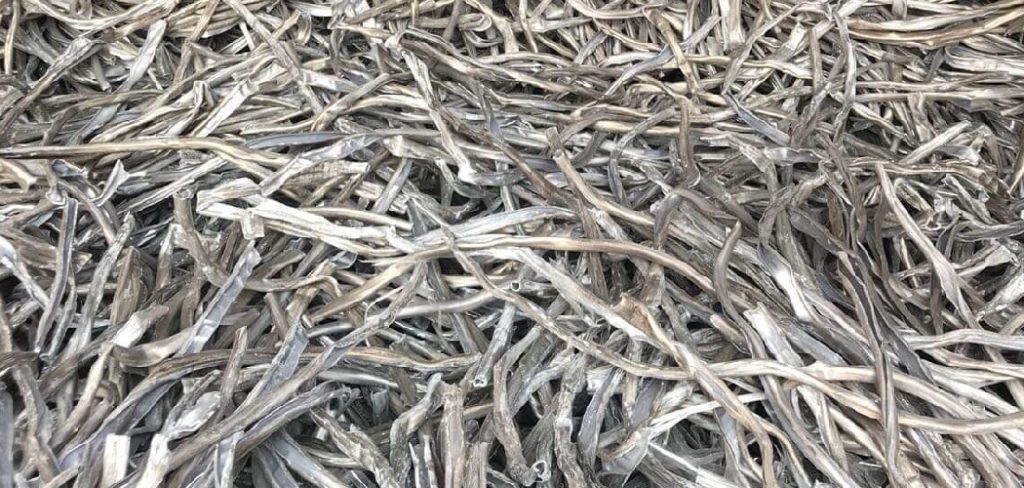
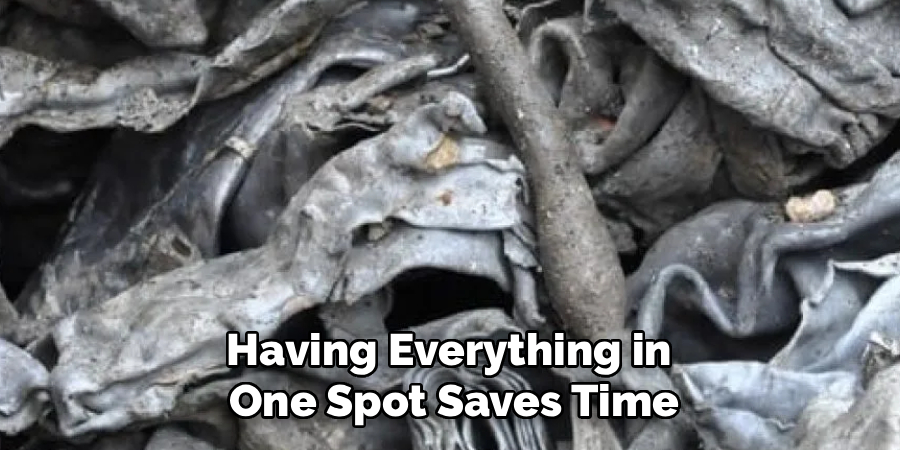
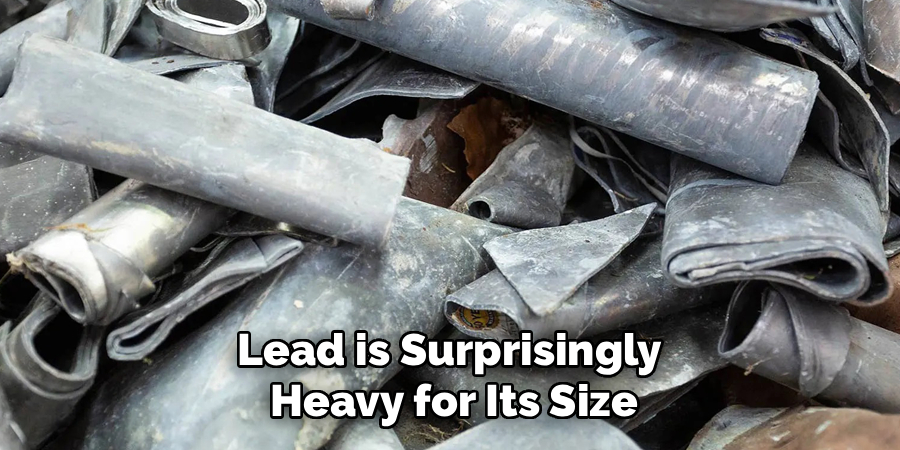
Your eyes are a powerful first test. Lead has a dull, grayish look, almost like a cloudy sky. Fresh cuts may show a shiny silver tone, but that shine fades fast as the metal reacts with air. Compare this to aluminum, which stays bright, or steel, which often looks more uniform. Old lead may also have a chalky white coating, which is oxidation. Run your gloved finger along the surface and notice the texture. A soft, matte, slightly powdery feel often points to lead. Visual clues alone are not proof, but they help you narrow down your suspects quickly.
Step 3: Test the Weight in Your Hand
Lead is surprisingly heavy for its size, and this is one of the most reliable hints when figuring out how to identify lead scrap. Pick up the piece and notice how it feels compared to other metals of similar size. Lead packs a dense punch, so a small chunk can feel oddly weighty. If you have a scale, weigh the item and compare it to its volume. Two objects the same size will feel very different if one is lead and the other is aluminum. This heaviness comes from lead’s high density, making the heft test a quick and trustworthy clue.
Step 4: Try the Scratch and Bend Test
Lead is a soft metal, and that softness gives you another handy clue. Take your knife or file and gently scratch the surface. Lead marks easily, leaving a bright streak that quickly dulls to gray. You can also press a fingernail into a thin edge, and softer lead may show a faint dent. Thin lead sheets bend with little effort, almost like thick foil. Harder metals such as steel or zinc resist this kind of pressure. Always wear gloves during this test, and wash your hands afterward, since scratching can release tiny lead particles you do not want lingering on your skin.
Step 5: Use the Magnet Check
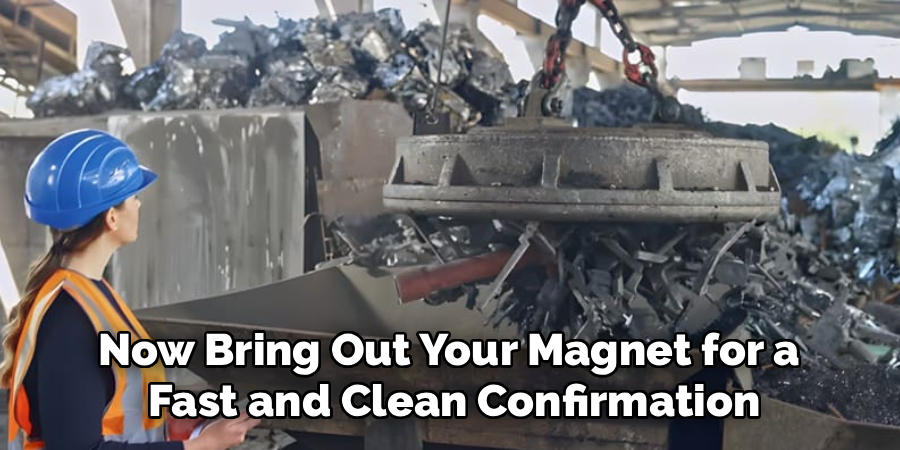
Now bring out your magnet for a fast and clean confirmation. Lead is non-magnetic, so a magnet will not stick to it at all. Pass your magnet over the piece and watch closely. If it grips firmly, you are likely dealing with steel or iron, not lead. If it slides off with no pull whatsoever, lead stays on your list of possibilities. This test is wonderful because it instantly removes magnetic metals from the equation, saving you from guessing. Pair the magnet result with your weight and scratch findings, and your accuracy jumps. Each test builds on the last for stronger results.
Step 6: Run a Chemical Spot Test
For extra certainty, a chemical spot test gives clear answers. You can buy affordable lead-testing swabs or kits at most hardware stores. These work by reacting with lead and changing color, usually turning pink or red when lead is present. Clean a small section of the item, follow the kit instructions carefully, and watch for the color shift. This method is especially helpful for painted or coated objects where surface clues are hidden. Always test in a ventilated area and dispose of swabs safely. A positive result confirms your other observations and removes most of the guesswork from your sorting routine.
Step 7: Sort, Label, and Store Safely
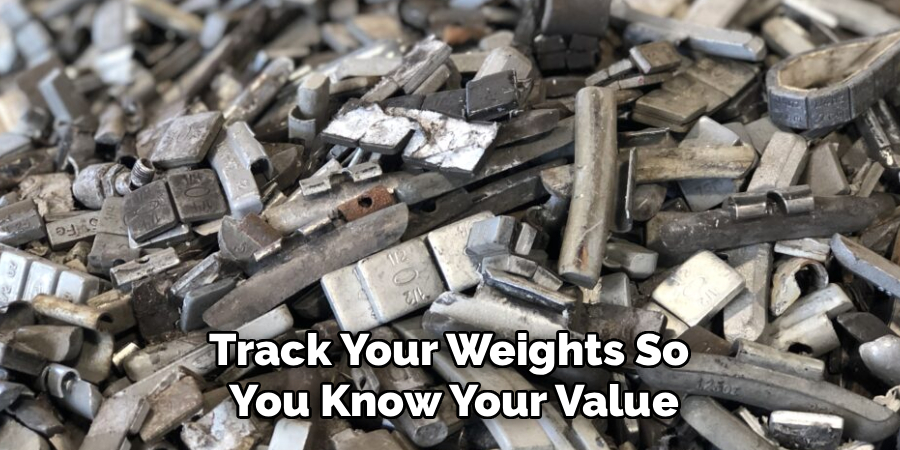
Once you know what you have, the final step keeps everything organized and safe. Separate confirmed lead into its own sturdy, labeled container away from other metals. Mastering how to identify lead scrap means nothing if storage gets sloppy, since loose pieces can spread dust. Keep the container sealed, out of reach of children and animals, and clearly marked. Track your weights so you know your value before visiting the scrap yard. Wash your hands and tools after handling, and clean your workspace thoroughly. Good habits here protect your health and help you earn a fair, hassle-free payout later.
Frequently Asked Questions
Is Lead Scrap Worth Selling at Recycling Centers?
Yes, lead is one of the more valuable scrap metals because it is highly recyclable and always in demand. Prices shift with the market, so it helps to check current rates before you sell. Clean, sorted lead usually fetches a better price than mixed loads. Weighing your pieces ahead of time gives you a fair idea of what to expect and helps you negotiate confidently.
Is It Dangerous to Handle Lead at Home?
Lead can be risky if handled carelessly, mainly because of dust and fumes. The metal itself is safe to touch briefly with gloves, but you should never eat, drink, or smoke while working with it. Always wash your hands afterward and keep children and pets away. Store lead in sealed containers and work in a ventilated space to reduce any exposure and stay safe.
What Common Items Usually Contain Lead?
Plenty of everyday objects hide lead inside them. Old car batteries, plumbing pipes, roofing flashing, fishing sinkers, wheel weights, and certain solders are common sources. Older homes may also have lead-based paint and pipes. Antique toys and some imported ceramics can contain it too. When in doubt, test the item with a kit, since lead often blends in with other gray metals and surfaces.
Can a Magnet Alone Confirm Lead?
A magnet is a great starting point, but it cannot confirm lead on its own. Since lead is non-magnetic, a magnet only tells you the item is not steel or iron. Plenty of other non-magnetic metals, like aluminum and zinc, will also pass this test. To be sure, combine the magnet check with weight, softness, and a chemical spot test for reliable results.
How Accurate Are Lead-Testing Kits?
Home lead-testing kits are quite reliable when used correctly. They react with lead and change color, giving you a quick visual answer. For best results, clean the surface first and follow the instructions exactly. While they are great for everyday sorting, they are not laboratory-grade. If you need certified proof for legal or commercial reasons, a professional lab test offers the highest level of accuracy.
Conclusion
Sorting metal does not have to be a mystery once you build the right habits. By combining simple visual checks, weight tests, scratch tests, magnets, and chemical kits, you can confidently learn how to identify lead scrap and separate it from the rest of your pile. Each method adds a layer of certainty, so you are never relying on a single guess. The payoff is real, since accurate sorting means better prices, safer handling, and a cleaner environment for everyone around you.
The best part is that anyone can start today with just a few affordable tools and a careful eye. Take it step by step, stay safe, and wear your gloves. As you practice, your speed and accuracy will grow, turning a tricky task into second nature. So grab your magnet, set up your workspace, and start sorting with confidence. Your wallet, your health, and your community will thank you for the effort.

About
Stuart Rich is a distinguished figure in the world of metalworking and fabrication, with a decade of expertise creating innovative and sustainable metal projects. His professional focus lies in merging traditional blacksmithing and machining with modern manufacturing techniques, fostering designs that are both practical and durable. As the author of Metalenify, Stuart Rich delves into the art and science of metallurgy and DIY metal creation, inspiring artisans, hobbyists, and industry professionals alike.
Education
RMIT University
(Melbourne, Australia)
Associate Degree in Engineering Technology (Mechanical / Manufacturing)
Focus on metallurgical properties, industry-driven projects, and practical metal craftsmanship. Gained hands-on experience with traditional machining and digital manufacturing tools, such as CAD, CNC software, and precision welding equipment.
Nottingham Trent University
(United Kingdom)
Bachelor’s in Product Design and Materials Engineering (Honors)
Specialized in product design with a heavy focus on blending creativity with metal production and fabrication techniques. Participated in real-world industry projects, collaborating with architectural and hardware manufacturing companies to optimize material efficiency.
Publications and Impact
In Metalenify, Stuart Rich shares his insights on structural metal design processes, material grades, and strategies for efficient shop production. His writing bridges the gap between raw artisan knowledge and modern industrial needs, making it a must-read for both budding DIY metalworkers and seasoned fabrication professionals.