Bleeding a hydraulic press requires powering down the machine, locating the bleed valve, positioning a drain pan, and slightly opening the valve. By cycling the ram slowly, trapped air is pushed out. Close the valve once the hydraulic fluid runs clear, then top up the reservoir and test for leaks.
Hydraulic presses operate under immense stress. When functioning correctly, they apply controlled, concentrated force. Yet, a surprisingly small variable can undermine this entire mechanical process: trapped air. Air entering the system appears to indicate a breakdown in closed-loop fluid dynamics. Performance drops. Pressure delivery becomes inconsistent. The ram may lose its firm actuation.
Removing this trapped air—a process known as bleeding—is a fundamental maintenance procedure. It restores the system’s ability to maintain constant pressure. While the underlying physics remain static, the practical application of bleeding requires careful attention to the machine’s specific architecture.
This guide on how to bleed a hydraulic press outlines the critical stages of the bleeding process. We examine the mechanical principles at play, identify the symptoms of air contamination, and provide a systematic approach to safely purging the hydraulic press system. These steps may serve as a foundational reference for technicians aiming to minimize equipment downtime.
What Makes a Hydraulic Press System Function Properly?
A hydraulic press relies heavily on Pascal’s Law. This principle dictates that pressure applied to a confined fluid transmits equally in all directions. The hydraulic press system uses specialized fluid to transfer force from a mechanical pump directly to a cylinder. This generates the necessary pressure to shape, cut, or compress industrial materials.
Air contamination actively disrupts this energy transfer. Unlike oil-based hydraulic fluid, ambient air is highly compressible. When air bubbles breach the system seals, they absorb the generated pressure rather than transmitting it to the cylinder. This absorption could cause the machine to behave erratically. Bleeding extracts this compressible air. Once removed, the hydraulic fluid can flow without interruption, which usually restores the machine’s capacity to build consistent mechanical force.
What Are the Signs That Your Hydraulic Press Needs Bleeding?
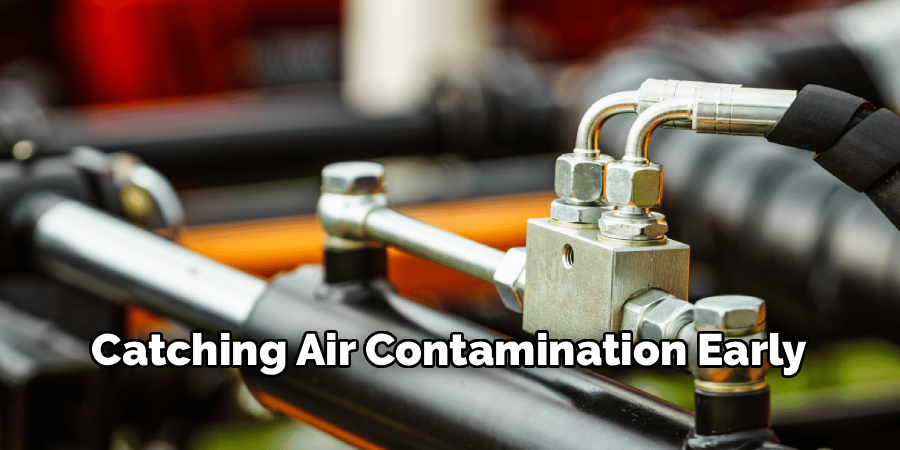
Catching air contamination early may prevent accelerated component wear. Operators should monitor the machinery for several distinct operational shifts.
Spongy press action is often the first indicator. The ram feels inconsistent and lacks its characteristic firmness. You might also observe slow ram movement. The cylinder takes noticeably longer to extend during its standard cycle.
Acoustic changes provide another diagnostic clue. Gurgling or whining sounds during operation could suggest cavitation within the pump. Furthermore, the pressure gauge might fluctuate erratically instead of holding a steady reading. Visible foam in the hydraulic fluid reservoir also strongly implies air ingestion. Observing a combination of these symptoms points toward an immediate need for system bleeding.
Which Tools and Materials Are Required for Bleeding?
Gathering the correct equipment beforehand limits dangerous interruptions. You will need:
- Clean hydraulic fluid that matches the manufacturer-specified grade.
- An adjustable wrench or a dedicated wrench set.
- A bleed valve key (or flathead screwdriver, depending on the specific press model).
- A clean drain container to catch expelled fluid.
- A standard funnel.
- Clean shop towels.
- Safety gloves and impact-rated eye protection.
- The original equipment manual to verify fluid specifications and valve locations.
How Should You Prepare Safely Before Bleeding the Press?
Industrial hydraulic systems operate at pressures that can cause severe injury. Preparation is a non-negotiable phase of maintenance.
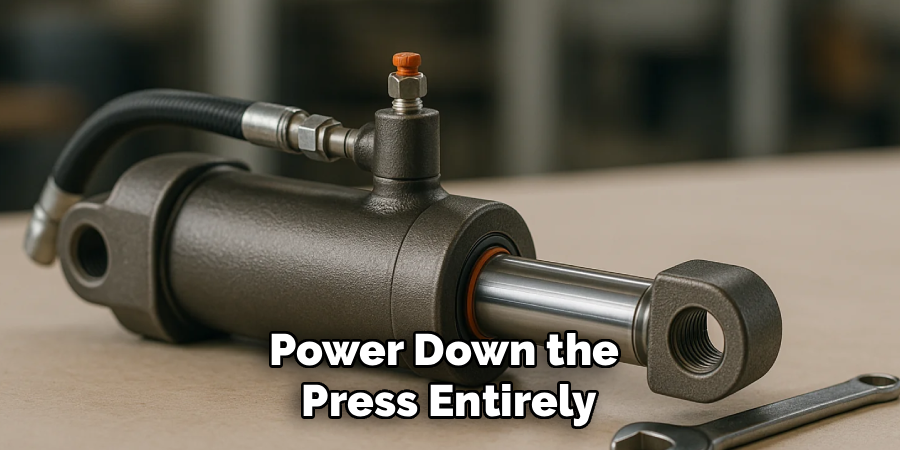
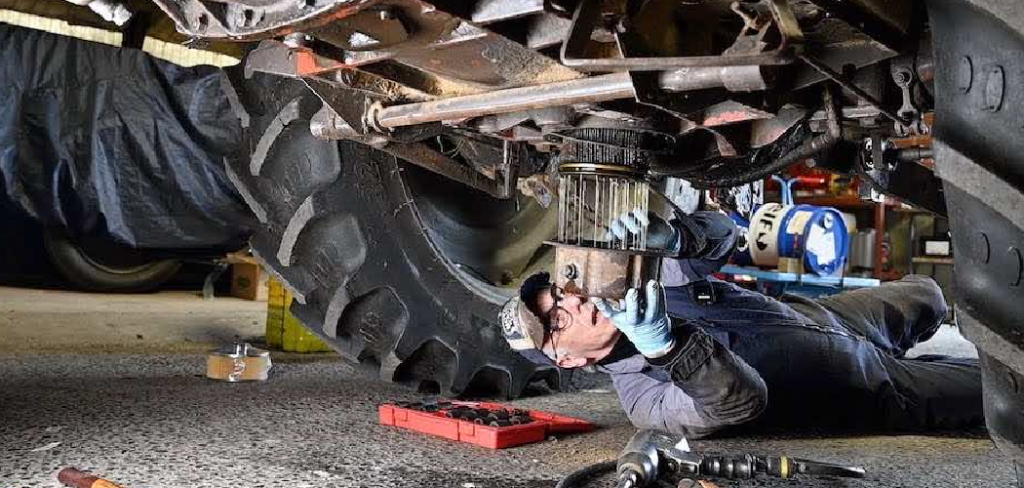
Power down the press entirely. Disconnect the machine from its primary power source and implement standard lockout/tagout protocols. You must then release all stored pressure. Cycle the ram to its lowest resting position to ensure no residual force remains in the cylinder.
Keep your workspace exceptionally clean. Contaminants entering the open valve can degrade internal seals rapidly. You must wear personal protective equipment throughout the procedure. Pressurized hydraulic fluid can easily penetrate human skin. Finally, exercise caution with the physical components. Applying excess force to delicate hydraulic fittings could crack the housing or strip the threads.
6 Simple Steps on How to Bleed a Hydraulic Press
Step 1: How Do You Power Down and Prepare the Press?
Before manipulating any hydraulic lines, shut the press down. Disconnect the primary electrical supply. Follow your facility’s safety protocol so the machine cannot restart unexpectedly. Lower the ram completely. This action depressurizes the main cylinder and grants you safe access to the upper components.
Step 2: Where Do You Locate the Bleed Valve and Reservoir?
Most industrial presses feature a bleed valve situated near the apex of the hydraulic cylinder. Consult the equipment manual to confirm this location, as misidentifying the release point could result in dangerous fluid discharge. Simultaneously, locate the main fluid reservoir. Check the resting fluid level. Low fluid frequently causes initial air ingestion, suggesting you may need to add fluid before beginning the purge.
Step 3: How Should You Position the Drain Pan and Loosen the Valve?

Place your drain container exactly beneath the bleed valve. This prevents hazardous spills on the shop floor. Using your wrench, turn the bleed valve very slowly. Do not remove the threaded insert completely. You only need to crack the seal until trapped air hisses outward. Keep your hands away from the immediate trajectory of the escaping air.
Step 4: Why Must You Cycle the Ram to Push Air Out?
With the bleed valve slightly open, carefully restore operational power. Cycle the ram up and down at a reduced speed. This mechanical action forces the hydraulic fluid through the internal channels, actively pushing trapped air pockets toward your open valve. The expelled fluid may initially appear milky due to micro-bubbles. Continue the cycling process until the fluid runs completely clear.
Step 5: How Do You Close the Bleed Valve and Top Up the Fluid?
Once the fluid flows without visible foam, shut the machine down again. Tighten the bleed valve securely. Avoid excessive torque, which might deform the internal valve seat and cause future leaks. Remove the reservoir cap and inspect the fluid level. The bleeding process naturally expels a small volume of fluid. Pour new hydraulic fluid through a funnel until the level reaches the manufacturer’s indicator line.
Step 6: What Is the Best Way to Test the Press and Inspect for Leaks?
Restore full power to the machine. Run the press through multiple cycles at its standard operating pressure. The ram should extend smoothly. Check the primary pressure gauge to verify that the readings remain stable under a simulated load. Inspect the bleed valve and surrounding fittings for micro-leaks. Even a tiny droplet indicates a compromised seal that requires immediate tightening.
Following these steps on how to bleed a hydraulic press, it is important to check for other potential leaks in the system.
What Are the Most Common Mistakes to Avoid During the Bleeding Process?
Technicians occasionally inadvertently damage the system during routine bleeding. Mixing different hydraulic fluid types degrades the chemical composition and may erode synthetic seals. Bypassing the lockout/tagout procedure presents a severe physical hazard.
Removing the bleed valve entirely is another frequent error. Full removal triggers rapid fluid loss and makes re-threading the pressurized valve nearly impossible. Rushing the ram cycling process is equally counterproductive. Moving the cylinder too quickly prevents dispersed air pockets from consolidating at the bleed point.
How Can You Troubleshoot the System After Bleeding?
If the press continues to underperform, the underlying fault likely extends beyond simple air contamination.
A persistently spongy ram action may suggest a degraded piston seal that allows internal fluid bypass. If pressure fluctuations continue despite a successful bleed, the primary mechanical pump or the relief valve could be failing. Rapid re-contamination implies that a damaged fitting is actively drawing ambient air into the system during the return stroke. Milky fluid indicates water ingress, necessitating a complete chemical flush.
Which Maintenance Habits Prevent Air Contamination in Hydraulic Presses?
Preventive maintenance requires less capital than reactive repair. Checking fluid levels on a weekly basis limits the most common vector for air ingestion. Inspecting external seals and high-pressure fittings monthly catches minor weepage before it becomes a major breach.
You should replace hydraulic filters according to the manufacturer’s precise timeline. Clogged filters restrict fluid velocity, which creates pressure imbalances. Finally, keeping the reservoir breather cap free of dust ensures the pump does not experience vacuum-induced cavitation.
When Is It Necessary to Call a Professional Hydraulic Technician?
Certain mechanical failures require specialized diagnostic equipment. Contact a certified professional if repeated bleeding fails to stabilize the ram pressure. Discovering scored cylinder walls or heavily degraded internal seals warrants expert intervention.
Furthermore, if the press remains under a factory warranty, attempting internal disassembly could void your coverage.
Frequently Asked Questions
How Often Should You Bleed a Hydraulic Press?
There is no universal timeline for bleeding a hydraulic press. You should bleed the system whenever performance indicators like spongy ram action or pressure fluctuations appear. For high-volume industrial presses, conducting a diagnostic inspection every three months represents a logical preventive baseline. Always perform a system bleed after replacing compromised hydraulic lines.
What Type of Hydraulic Fluid Should You Use in a Press?
You must use the specific fluid grade outlined in your equipment manual. Standard options range from mineral-based oils to specialized fire-resistant fluids. Introducing an incompatible chemical base could dissolve the internal seals and severely damage the mechanical pump. Choose the manufacturer’s exact specification if performance consistency is the priority.
Can Air in a Hydraulic Press Cause Permanent Damage?
Yes. Prolonged air contamination frequently results in permanent component damage. Compressed air bubbles collapse violently under load, causing cavitation. This localized mechanical shock erodes cylinder walls and degrades the pump housing over time.
Maintaining Hydraulic Press Performance Over the Long Term
Bleeding a hydraulic press system corrects an immediate pressure imbalance. Executing these steps meticulously restores operational efficiency. By establishing rigorous diagnostic habits and responding promptly to acoustic or mechanical changes, operators can extend the service life of their equipment.
Systemic neglect eventually forces costly mechanical failures, but calculated maintenance yields reliable industrial performance. Thanks for reading this guide on how to bleed a hydraulic press.

About
Stuart Rich is a distinguished figure in the world of metalworking and fabrication, with a decade of expertise creating innovative and sustainable metal projects. His professional focus lies in merging traditional blacksmithing and machining with modern manufacturing techniques, fostering designs that are both practical and durable. As the author of Metalenify, Stuart Rich delves into the art and science of metallurgy and DIY metal creation, inspiring artisans, hobbyists, and industry professionals alike.
Education
RMIT University
(Melbourne, Australia)
Associate Degree in Engineering Technology (Mechanical / Manufacturing)
Focus on metallurgical properties, industry-driven projects, and practical metal craftsmanship. Gained hands-on experience with traditional machining and digital manufacturing tools, such as CAD, CNC software, and precision welding equipment.
Nottingham Trent University
(United Kingdom)
Bachelor’s in Product Design and Materials Engineering (Honors)
Specialized in product design with a heavy focus on blending creativity with metal production and fabrication techniques. Participated in real-world industry projects, collaborating with architectural and hardware manufacturing companies to optimize material efficiency.
Publications and Impact
In Metalenify, Stuart Rich shares his insights on structural metal design processes, material grades, and strategies for efficient shop production. His writing bridges the gap between raw artisan knowledge and modern industrial needs, making it a must-read for both budding DIY metalworkers and seasoned fabrication professionals.