

To choose the right cutting fluid for machining, evaluate the workpiece material, the specific machining operation, and your tooling. Select from straight oils, soluble oils, semi-synthetics, or synthetics based on the necessary balance of cooling and lubrication, while actively considering health, safety, and proper disposal requirements.
Selecting the right cutting fluid doesn’t always get the attention it deserves—until something goes wrong. A mismatched coolant can quietly destroy tool life over weeks, produce surface finishes that fail inspection, or, in more severe cases, cause thermal cracking in the workpiece itself. By the time the damage is obvious, the cost is already high.
What makes fluid selection genuinely difficult is that no single formula works across every application. The “right” choice shifts depending on the metal you’re cutting, how fast you’re cutting it, what your tooling is coated with, and even what’s coming out of your facility’s water supply. This guide on how to choose cutting fluid walks through each of those variables in a practical sequence—so you can make a defensible, application-specific decision rather than defaulting to whatever came with the machine.
What Are the Main Functions of Cutting Fluids?
At its core, a cutting fluid does two things: it removes heat and reduces friction. Those two functions sound simple, but they operate through very different mechanisms, and not every fluid handles both equally well.
Heat removal happens primarily through the fluid’s water content—water conducts heat far better than oil. Friction reduction, by contrast, depends on the fluid’s ability to maintain a thin lubricating film between the tool face and the chip, especially under high contact pressure. When that film breaks down, you get metal-to-metal contact, which is where built-up edge forms and tools start failing prematurely.
Beyond those two primary roles, cutting fluids also flush chips away from the cutting zone. This matters more than many machinists initially expect. A chip that gets recut—rather than evacuated—will wreck a surface finish and, depending on the operation, may break the tool outright. Modern fluid formulations also carry corrosion inhibitors to protect both the freshly machined surface and the machine’s internal components between shifts.
6 Step-By-Step Guidelines on How to Choose Cutting Fluid
Step 1: Analyze the Workpiece Material

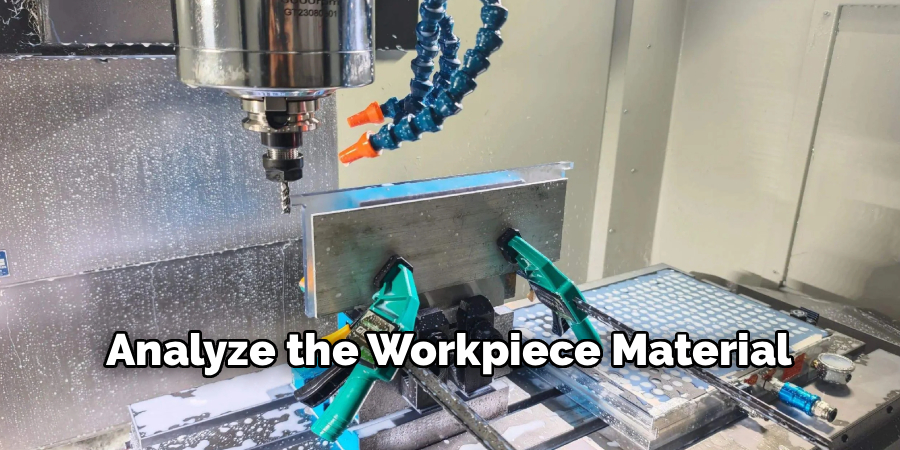
Material hardness and thermal conductivity set the baseline for everything else. Stainless steel, titanium, and nickel-based alloys like Inconel generate extreme heat and pressure during cutting, largely because they resist deformation—the tool has to work harder for every inch of material removed. These materials almost always require extreme pressure (EP) additives, typically sulfur or chlorine-based, which chemically react under high contact stress to prevent the tool from micro-welding to the workpiece.
Aluminum behaves very differently. It’s soft and conducts heat well, but it has a frustrating tendency to adhere to cutting tools, forming a built-up edge. The fix is a highly lubricious fluid—but one that specifically avoids active sulfur, which can leave dark chemical stains on the finished surface. Cast iron is something of a special case; its graphite content provides natural lubrication, and many shops run it dry. When a fluid is used, a clean synthetic with strong rust inhibition is usually preferred, since the fine iron dust generated during cutting will rust the machine bed aggressively if left wet.
Step 2: Evaluate the Machining Operation
The operation type determines whether cooling or lubrication should take priority. Tapping, broaching, and deep-hole drilling all share a common characteristic: high contact pressure at low cutting speeds. The tool dwells against the material long enough that lubrication—specifically, maintaining a protective film at the contact interface—becomes the governing concern. Straight oils or heavy-duty soluble oils tend to perform best here.
High-speed operations like surface grinding or high-velocity turning flip that priority. The tool contacts the material for a fraction of a second per pass, but heat accumulates faster than it can dissipate through the workpiece or the tool itself. In these cases, the fluid’s ability to absorb and carry away heat matters far more than its lubricating properties. Synthetics and semi-synthetics, with their high water content, are the natural choice—not because they’re universally superior, but because rapid heat removal is what the operation actually demands.
Step 3: Assess Tooling and Coating Compatibility
Carbide inserts are sensitive to thermal shock in a way that high-speed steel isn’t. Intermittent coolant application during a high-heat cut—say, a flooded coolant line that keeps cycling on and off—can induce microcracks in carbide that ultimately cause catastrophic insert failure. If you’re running carbide at high speeds, either flood coolant consistently or consider dry machining with air blast, depending on the operation.
Coatings add another layer of complexity. TiAlN (Titanium Aluminum Nitride) coatings are designed to thrive at elevated temperatures; they form a protective aluminum oxide layer that actually improves performance as the tool heats up. Applying water-based coolant to a TiAlN-coated end mill during high-speed milling may actively undermine that mechanism, cooling the tool below its optimal operating window. This is worth checking with your tooling supplier before assuming coolant is always beneficial.
Step 4: Review Machine Tool Requirements
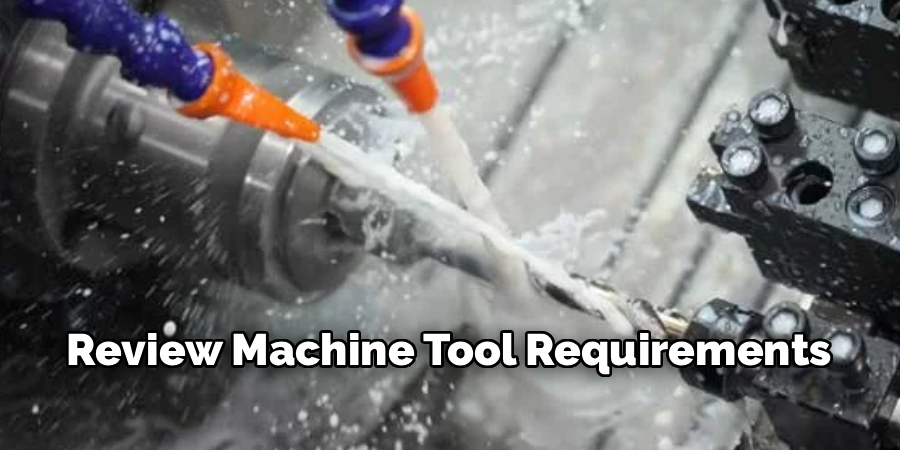
Older machines in particular can be vulnerable to chemical incompatibility. Some synthetic fluids strip paint from machine castings or cause rubber seals to swell—problems that don’t show up immediately but become expensive over time. The machine tool builder’s manual should specify compatible fluid chemistries, and that guidance is worth taking seriously rather than treating as boilerplate.
High-pressure coolant delivery systems introduce a separate issue: foaming. A high-foaming soluble oil run through a system operating at several thousand PSI will overflow the sump and cavitate the pump, starving the cutting zone of coolant at exactly the moment it’s needed most. Low-foaming fluid formulations exist specifically for these systems, and using the wrong product here tends to make itself known very quickly.
Step 5: Consider Health, Safety, and Environmental Factors
Operator exposure to cutting fluids is a chronic rather than acute concern, which makes it easy to underestimate. Skin contact over time may contribute to contact dermatitis—a condition that, once established, can be difficult to manage. Coolant mist inhaled during high-speed machining poses a separate respiratory risk. Fluids formulated with lower mist-generation profiles and dermatologically mild biocides represent a meaningful quality-of-life improvement for the people running the machines, not just a liability consideration.
Disposal requirements vary significantly by municipality. Soluble oils can sometimes be mechanically split using a coalescer, separating the oil phase from the water and reducing disposal volume. Synthetic fluids may require chemical treatment before discharge. The disposal cost over a fluid’s service life can easily exceed its purchase price, which is a variable that often gets overlooked during procurement.
Step 6: Test the Fluid in a Controlled Environment
Before committing to a shop-wide change, run the candidate fluid on a single isolated machine with a clean sump and a repeatable production part. Document the baseline metrics that matter: tool life in terms of parts per edge, surface finish values, and any operator observations about odor or skin response. Let the trial run for several weeks—long enough to see how the fluid handles tramp oil contamination and biological stability under real shop conditions.
The discipline here is in the documentation. Shops that switch fluids based on a week of impressions often find themselves second-guessing the decision months later. Hard data on tool cost per part gives you something concrete to defend the change with—or to justify reverting to the original fluid if the trial doesn’t deliver.
Following these steps on how to choose cutting fluid can help ensure a successful change in your shop’s metalworking operations.
What Are the Common Mistakes to Avoid When Selecting Cutting Fluids?
Running a single general-purpose coolant across every machine and material is probably the most widespread error in smaller shops. It rarely produces catastrophic results, which is part of why it persists—but the cumulative cost in shortened tool life and marginal surface finishes adds up.
Water quality is another overlooked variable; hard water disrupts emulsion stability and can accelerate rust formation even in fluids with strong inhibitor packages. Finally, selecting a fluid without input from the operators who use it daily tends to backfire. A technically superior fluid that causes skin irritation or produces an offensive odor will get diluted, misapplied, or quietly replaced.
How Should You Handle the Maintenance of Cutting Fluids?

Daily concentration measurement with a refractometer takes less than two minutes and prevents the gradual drift that happens as water evaporates faster than oil. Tramp oil—lubricant that migrates from machine ways into the coolant sump—should be skimmed regularly; left to accumulate, it creates an anaerobic environment below the surface where bacteria thrive.
Fine metal particles also degrade fluid performance over time by acting as abrasives, which is why filtration systems earn their cost fairly quickly in high-volume operations.
What Are the Cost Considerations for Cutting Fluids?
The per-gallon price is a convenient number to compare, but it may be the least useful metric for evaluating total fluid cost. A cheaper fluid that spoils in three months and requires a full sump cleanout—including labor and disposal—often ends up costing more than a premium product with a 12-month service life.
Tool life is where the math gets interesting: even a modest improvement in cutting tool longevity, multiplied across multiple machines and shifts, can dwarf the price difference between two fluid options.
How Can You Troubleshoot Common Cutting Fluid Issues?
A sulfurous smell—the classic “rotten egg” indicator—points to anaerobic bacterial activity in the sump. The immediate response is a biocide treatment, but that’s temporary without also addressing the root cause, typically a tramp oil layer that’s been left too long. Rust on parts usually signals a concentration problem: the inhibitor package is either depleted or was never at the correct level to begin with.
Excessive foaming in a high-pressure system almost always traces back to fluid-system incompatibility rather than a batch defect—switching to a low-foam formulation resolves it faster than any additive.
What Are the Best Practices for Selection?
Build a working relationship with your fluid supplier early. The better suppliers will analyze your facility’s water quality and match a formulation to both your chemistry and your operational profile.
Multi-metal compatibility is worth prioritizing if your shop handles diverse materials, since managing two or three separate fluids introduces complexity that can lead to cross-contamination. Above all, establish measurable benchmarks—tool cost per part, surface finish Cpk values, coolant consumption rates—before any change, so the decision to stay or switch is grounded in actual performance data rather than intuition.
Frequently Asked Questions
What Is the Best Cutting Fluid for Aluminum?
The best cutting fluid for aluminum is generally a high-quality soluble oil or a semi-synthetic formulated without active sulfur. Active sulfur chemically reacts with aluminum, leaving dark stains that are difficult to remove and often unacceptable on finished parts. The fluid also needs strong lubricity to prevent built-up edge—the tendency of aluminum to adhere to the cutting tool face under pressure.
How Often Should Cutting Fluid Be Replaced?
Replacement frequency depends on maintenance discipline more than on any fixed schedule. A semi-synthetic fluid in a well-maintained central system—daily concentration checks, regular tramp oil removal, active filtration—can realistically last a year or longer. Neglected sumps with heavy bacterial contamination or metal fine buildup may need to be dumped within a few months. The fluid is telling you when it’s failing; the smell, color, and emulsion stability are all diagnostic.
Can One Cutting Fluid Work for All Machining Operations?
Unlikely, in most cases. Universal fluids exist and handle moderate-demand applications acceptably, but they tend to compromise in both directions—not quite lubricating enough for deep-hole drilling in tough alloys, and not quite cooling enough for high-speed grinding. Shops with genuinely diverse work often find it more cost-effective to run two targeted fluids than to accept suboptimal performance across the board with a single general-purpose product.
Where to Go From Here
Cutting fluid selection is, at its core, a process of matching the fluid’s strengths to your application’s demands—and then maintaining that match over time. The shops that get the most out of their coolant programs treat it as an ongoing discipline rather than a one-time procurement decision.
Start by auditing what you’re running now. Measure actual tool life, check your concentration levels, and ask your operators what they’re noticing. That baseline assessment often reveals more opportunity for improvement than any product change alone—and it gives you the data you need to evaluate alternatives with confidence. Thanks for reading this guide on how to choose cutting fluid.

About
Stuart Rich is a distinguished figure in the world of metalworking and fabrication, with a decade of expertise creating innovative and sustainable metal projects. His professional focus lies in merging traditional blacksmithing and machining with modern manufacturing techniques, fostering designs that are both practical and durable. As the author of Metalenify, Stuart Rich delves into the art and science of metallurgy and DIY metal creation, inspiring artisans, hobbyists, and industry professionals alike.
Education
RMIT University
(Melbourne, Australia)
Associate Degree in Engineering Technology (Mechanical / Manufacturing)
Focus on metallurgical properties, industry-driven projects, and practical metal craftsmanship. Gained hands-on experience with traditional machining and digital manufacturing tools, such as CAD, CNC software, and precision welding equipment.
Nottingham Trent University
(United Kingdom)
Bachelor’s in Product Design and Materials Engineering (Honors)
Specialized in product design with a heavy focus on blending creativity with metal production and fabrication techniques. Participated in real-world industry projects, collaborating with architectural and hardware manufacturing companies to optimize material efficiency.
Publications and Impact
In Metalenify, Stuart Rich shares his insights on structural metal design processes, material grades, and strategies for efficient shop production. His writing bridges the gap between raw artisan knowledge and modern industrial needs, making it a must-read for both budding DIY metalworkers and seasoned fabrication professionals.