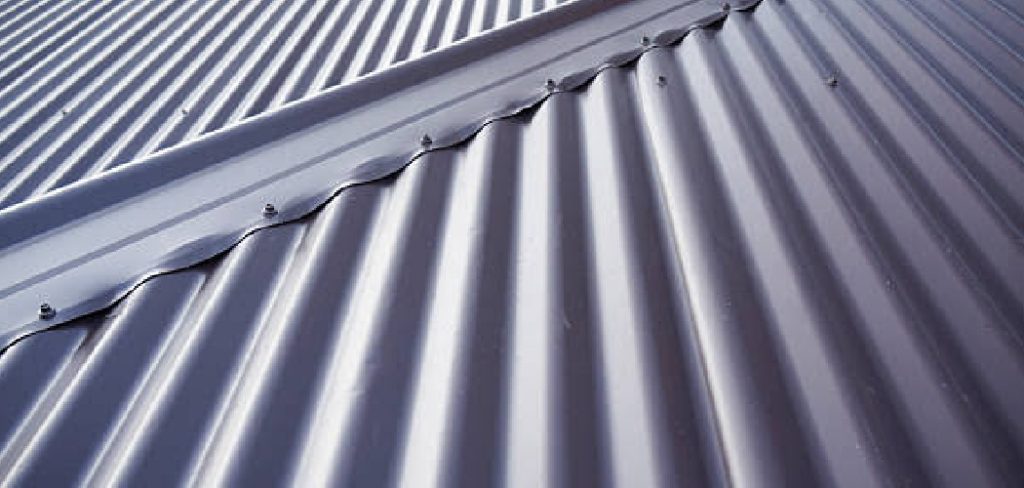
corrugated metal is one of the most popular materials for roofing, fencing, and DIY projects. it’s tough, affordable, and looks great. but cutting it can feel tricky, especially when you end up with rough, jagged edges that fray and peel. those messy edges aren’t just ugly, they can also rust faster and cause injuries.
the good news? learning how to cut corrugated metal without fraying is easier than you might think. with the right tools and a few smart techniques, you can make clean, smooth cuts every single time. whether you’re a complete beginner or someone who has tackled a few home projects, this guide will walk you through the whole process step by step.
by the end, you’ll feel confident handling those wavy metal sheets like a pro. no more wasted material, no more frustration, and no more sharp, frayed edges to worry about. let’s get into the tools, methods, and pro tips that make all the difference.
Why Clean Cuts on Corrugated Metal Matter
clean cuts do more than just look nice. when you avoid fraying, you protect the metal’s coating, which keeps rust and corrosion away for years. frayed edges expose the raw metal underneath, and that’s where rust loves to start.
smooth edges are also much safer to handle. jagged metal can slice through gloves and skin in an instant. on top of that, neat cuts make your panels fit together tightly, giving your project a polished, professional finish.
you’ll also save money. clean cuts mean less wasted material and fewer pieces you have to redo. for any roofing, siding, or fencing job, getting those edges right the first time makes everything stronger, safer, and longer lasting. it’s a small skill that pays off in a big way.
Step-by-Step Guide to How to Cut Corrugated Metal Without Fraying
Step 1: Gather the Right Tools
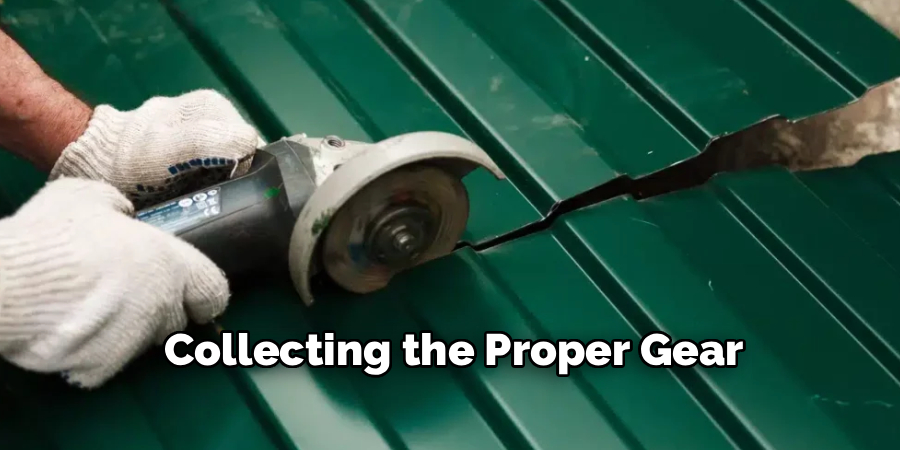
before you start, set yourself up for success by collecting the proper gear. the tool you pick depends on your project size and the metal’s thickness. for thin sheets, electric or hand snips work well. for thicker panels, a circular saw with a metal-cutting blade does the job nicely.
you’ll also want safety glasses, heavy-duty gloves, and ear protection. don’t forget a measuring tape, a marker, and some clamps to hold the sheet steady. having everything ready means you won’t stop halfway through a cut. good preparation is the secret to clean results and a smooth, stress-free experience from start to finish.
Step 2: Measure and Mark Your Cut Lines
accurate measuring saves you time, money, and frustration. lay your corrugated sheet on a flat surface and use a measuring tape to find your exact cut points. mark these spots clearly with a permanent marker so you can see them easily.
for straight lines, use a long, straight edge as a guide. press it firmly against the metal and draw your line along it. double-check your measurements before you cut anything, because once metal is cut, there’s no going back. taking a few extra minutes here keeps your panels the right size and helps you avoid wasting expensive material on a rushed mistake.
Step 3: Secure the Metal Sheet
a sheet that slides around while you cut will give you ragged, uneven edges. that’s why clamping is so important. place your corrugated metal on a sturdy workbench or a pair of sawhorses, then use clamps to lock it firmly in place.
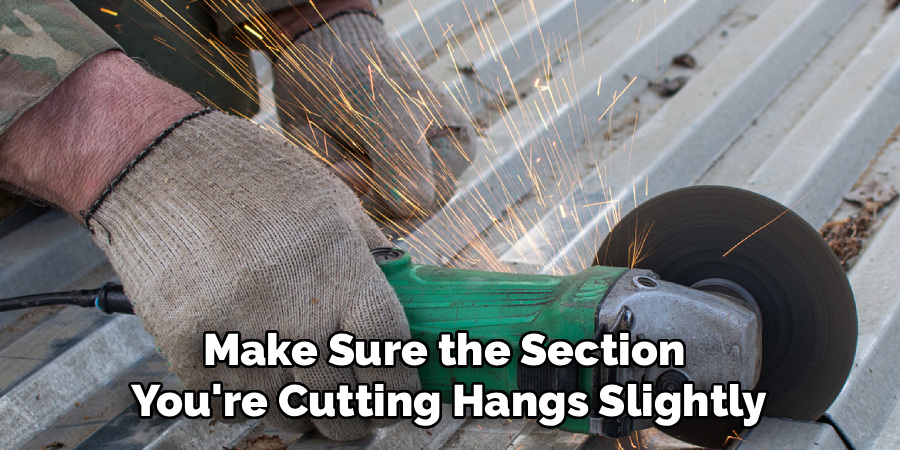
make sure the section you’re cutting hangs slightly over the edge of your work surface. this gives the blade or snips room to move freely without snagging. if the metal stays still, your cut stays clean. a secured sheet also keeps your hands safer, since you won’t be fighting to hold the panel and guide your tool at the same time.
Step 4: Choose the Best Cutting Method
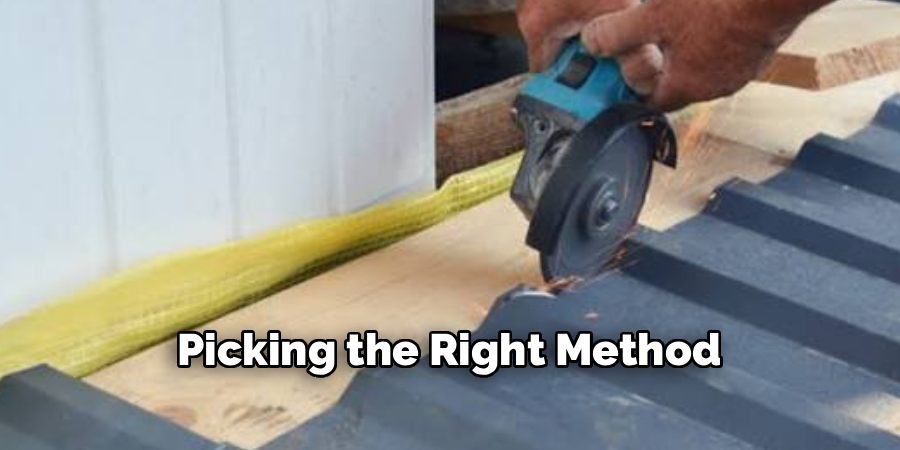
picking the right method is the heart of how to cut corrugated metal without fraying. for small jobs and curves, tin snips or aviation snips give you great control. for long, straight cuts on thin sheets, electric shears glide through fast and clean.
a circular saw fitted with a fine-tooth metal blade works wonders on thicker panels, but always run it at a steady speed. avoid using an angle grinder for finish cuts, since it tends to leave burrs and rough edges. match your method to your metal, and you’ll see a huge difference in how smooth your final edges turn out.
Step 5: Cut Slowly and Steadily
speed is not your friend here. when you rush, the metal bends, the edges tear, and fraying happens. instead, move your tool slowly and let it do the work. keep steady, even pressure as you follow your marked line.
if you’re using snips, take full, confident bites rather than tiny nibbles, which can leave a jagged finish. with a saw, guide it gently and never force it through the metal. staying calm and controlled is one of the best habits for mastering how to cut corrugated metal without fraying. patience truly pays off, giving you smooth, professional edges with far less cleanup work afterward.
Step 6: Smooth the Edges
even with a careful cut, you may notice tiny rough spots along the edge. don’t skip this step, because smoothing makes your metal safer and helps prevent rust. grab a metal file or fine sandpaper and gently work along the cut line.
run the file in one direction rather than back and forth for the cleanest result. for longer edges, a deburring tool speeds things up nicely. take your time and check the edge with a gloved hand to feel for any sharp bits. once it feels smooth and even, you’ll know your panel is ready for the next stage of your project.
Step 7: Seal and Protect the Cut Edge
cutting exposes raw metal, which can rust if you leave it bare. to keep your work looking great for years, seal the fresh edge with a matching touch-up paint or a protective primer made for metal. this restores the coating you removed during cutting.
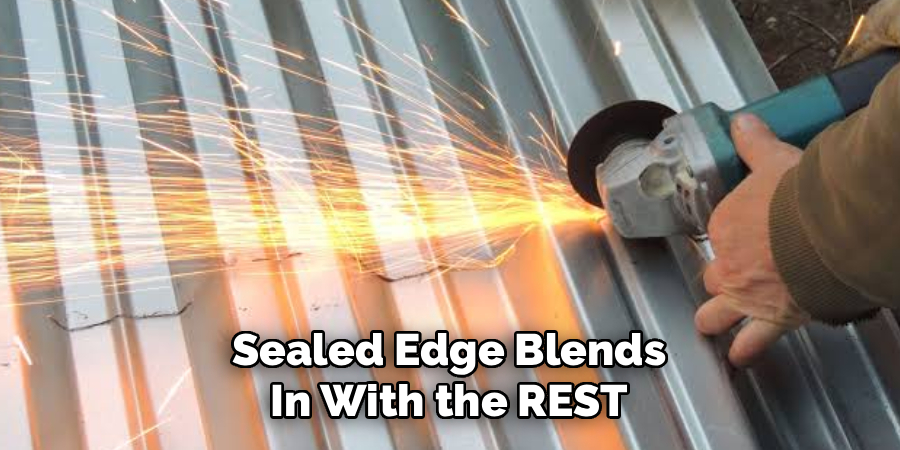
apply a thin, even coat and let it dry fully before handling. for outdoor projects, this step is especially important, since rain and humidity speed up corrosion. a sealed edge blends in with the rest of the panel and adds an extra layer of defense. finishing this way ensures your hard work stays strong, clean, and rust-free for the long haul.
Frequently Asked Questions
What Is the Best Tool for Beginners to Use?
for beginners, electric or aviation snips are the easiest and safest choice. they give you excellent control without the noise or sparks of power tools. snips work great on thin sheets and curves, making them perfect for first-time projects. as your confidence grows, you can move on to electric shears or a circular saw for bigger, faster jobs.
Can I Use a Regular Saw Blade on Metal?
no, a standard wood blade won’t work well and can be dangerous. you need a blade designed specifically for metal, usually with fine, closely spaced teeth. these blades cut cleanly and reduce burrs. using the wrong blade leads to rough edges, overheating, and even kickback. always check that your blade matches the metal thickness you’re working with for safe, smooth results.
Why Do My Edges Keep Fraying?
fraying usually happens for two reasons: cutting too fast or using the wrong tool. when you rush, the metal bends and tears instead of cutting cleanly. an unsecured sheet that wobbles also causes ragged edges. slow down, clamp your metal firmly, and match your tool to the panel thickness. these small fixes make a big difference in your finished edge quality.
Do I Really Need to Wear Safety Gear?
absolutely, safety gear is essential. corrugated metal has sharp edges that can cut skin instantly, and cutting creates flying metal bits. always wear safety glasses to protect your eyes and heavy-duty gloves to guard your hands. if you’re using power tools, add ear protection too. these simple precautions keep you safe and let you focus fully on making clean, accurate cuts.
How Do I Stop Cut Edges From Rusting?
the best way is to seal them right after cutting. exposed metal rusts quickly, especially outdoors. apply a metal primer or matching touch-up paint to the fresh edge and let it dry completely. this restores the protective coating you removed while cutting. for extra protection, choose galvanized or pre-painted panels, which resist corrosion better from the very start.
Conclusion
cutting corrugated metal doesn’t have to leave you with sharp, messy edges. once you understand how to cut corrugated metal without fraying, the whole process becomes simple and even enjoyable. it all comes down to a few key habits: gather the right tools, measure carefully, secure your sheet, and cut slowly with the proper method.
don’t forget the finishing touches either. smoothing and sealing your edges protects your work from rust and keeps everything looking sharp for years. these small steps turn a tricky job into a smooth, satisfying one.
now it’s your turn to put these tips into action. grab your tools, take your time, and tackle your next project with confidence. with a little practice, you’ll be making clean, professional cuts every single time. you’ve got this, so go make something great.

About
Stuart Rich is a distinguished figure in the world of metalworking and fabrication, with a decade of expertise creating innovative and sustainable metal projects. His professional focus lies in merging traditional blacksmithing and machining with modern manufacturing techniques, fostering designs that are both practical and durable. As the author of Metalenify, Stuart Rich delves into the art and science of metallurgy and DIY metal creation, inspiring artisans, hobbyists, and industry professionals alike.
Education
RMIT University
(Melbourne, Australia)
Associate Degree in Engineering Technology (Mechanical / Manufacturing)
Focus on metallurgical properties, industry-driven projects, and practical metal craftsmanship. Gained hands-on experience with traditional machining and digital manufacturing tools, such as CAD, CNC software, and precision welding equipment.
Nottingham Trent University
(United Kingdom)
Bachelor’s in Product Design and Materials Engineering (Honors)
Specialized in product design with a heavy focus on blending creativity with metal production and fabrication techniques. Participated in real-world industry projects, collaborating with architectural and hardware manufacturing companies to optimize material efficiency.
Publications and Impact
In Metalenify, Stuart Rich shares his insights on structural metal design processes, material grades, and strategies for efficient shop production. His writing bridges the gap between raw artisan knowledge and modern industrial needs, making it a must-read for both budding DIY metalworkers and seasoned fabrication professionals.