Brass is one of those materials that ages beautifully, yet rust can sneak in and ruin its warm golden glow. While pure brass itself doesn’t rust the way iron does, many brass items contain trace metals or sit next to steel parts that bleed orange stains onto the surface. That’s why learning how to dissolve rust without damaging brass becomes such a valuable skill for anyone who loves restoring vintage fixtures, instruments, hardware, or decorative pieces. The good news? You don’t need harsh chemicals or expensive tools to get great results.
This guide walks you through the whole process in plain language, so you feel confident whether you’re a complete beginner or someone who has tinkered with cleaning projects before. We’ll cover why gentle methods matter, share a simple step-by-step approach, and answer the questions people ask most often. By the end, you’ll understand how to lift away rust stains while keeping that smooth brass finish fully intact. Take your time, follow each step, and you’ll be amazed at how easily a tired-looking piece can sparkle again.
Why Dissolving Rust Without Damaging Brass Matters
Brass is softer than steel, which means aggressive scrubbing or strong acids can scratch, pit, or dull its surface in seconds. Once that protective shine is gone, the metal becomes more vulnerable to tarnish and future staining. Taking a careful approach protects both the look and the long-term value of your item, especially if it’s an antique or a sentimental piece.
Gentle rust removal also saves you money. Instead of replacing a corroded handle or fixture, you can restore it at home with simple supplies you likely already own. You’ll reduce waste, keep cherished objects in service, and build a handy skill you can reuse on future projects. Best of all, the right method gives you reliable, repeatable results without the worry of permanent damage or costly mistakes.
Step-by-Step Guide to How to Dissolve Rust Without Damaging Brass
Step 1: Gather Your Supplies and Set Up
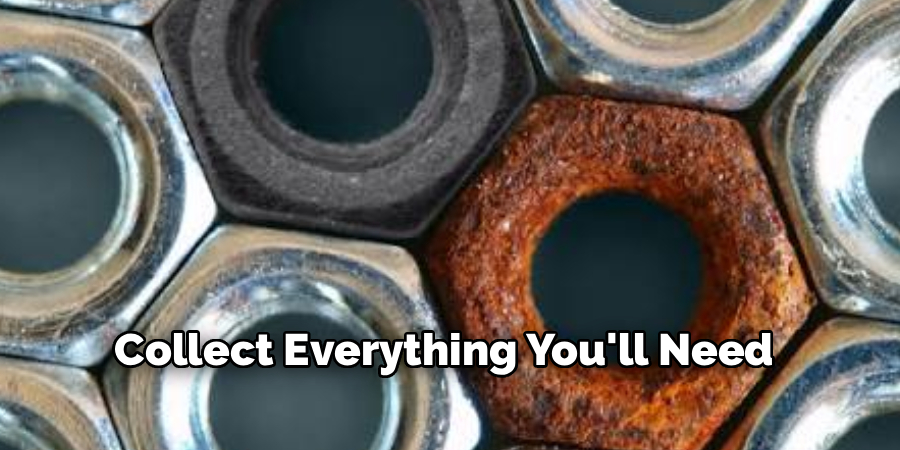
Before you start, collect everything you’ll need so the process flows smoothly. Grab white vinegar, table salt, baking soda, lemon juice, a few soft microfiber cloths, an old toothbrush, and a small bowl. Lay down newspaper or a towel to protect your work surface, and put on a pair of gloves to keep your hands clean and comfortable. Working in a well-lit, ventilated area makes it easier to spot rust spots and check your progress. Setting up properly takes only a few minutes, but it saves you from interruptions later and helps you stay focused on getting an even, polished finish.
Step 2: Confirm You’re Working with Real Brass
Not every gold-colored item is solid brass, and that distinction matters for safe cleaning. Hold a magnet to the surface; if it sticks firmly, the piece is likely brass-plated steel rather than solid brass. For plated items, you’ll need to be extra gentle, since heavy scrubbing can strip the thin brass layer and expose the metal beneath. Solid brass, by contrast, can handle a bit more cleaning pressure. Knowing exactly what you’re dealing with helps you choose the right approach and protects the finish. This quick test takes seconds and prevents accidental damage during the steps that follow.
Step 3: Clean Off Loose Dirt and Debris
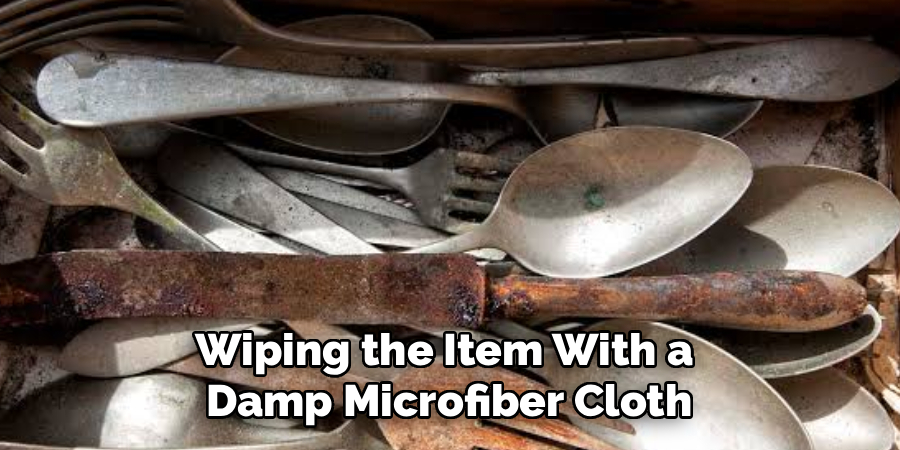
Start by wiping the item with a damp microfiber cloth to remove dust, grime, and any loose flakes of rust. This first pass matters because trapped dirt can act like sandpaper, scratching the brass while you work. Use a little warm water with a drop of mild dish soap, then rinse and dry the surface thoroughly. Don’t worry about removing the rust yet; you’re simply creating a clean base. A spotless starting surface lets your rust-dissolving solution make direct contact with the stains, which means faster results and far less scrubbing needed in the upcoming steps.
Step 4: Apply a Gentle Vinegar and Salt Solution
Here’s where you’ll see real progress in learning how to dissolve rust without damaging brass. Mix a tablespoon of salt into a small bowl of white vinegar until it partly dissolves, then dip your cloth and apply it directly to the rusted areas. The mild acid in vinegar loosens rust while the salt adds gentle scrubbing power. Let it sit for five to ten minutes so the solution can work. Avoid leaving it on much longer than that, since extended exposure to acid can dull the brass. Check the surface often and reapply only as needed.
Step 5: Lift the Rust with Soft Scrubbing
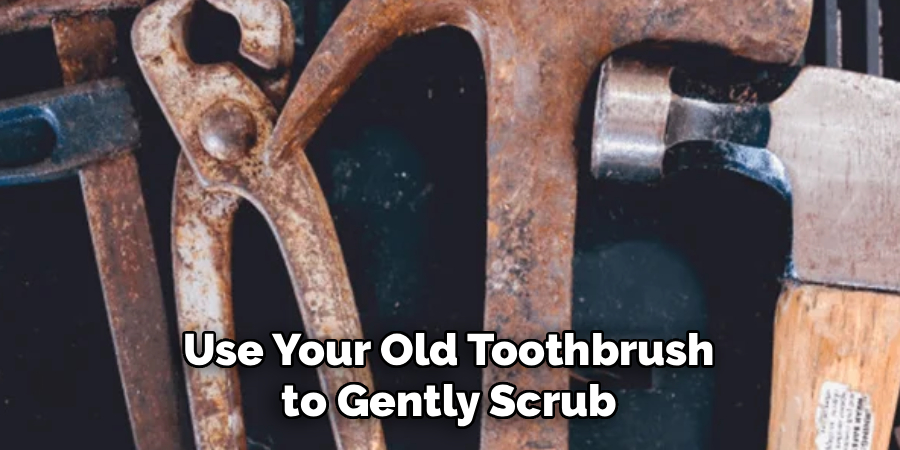
Once the solution has had time to break down the rust, use your old toothbrush to gently scrub the affected spots in small circular motions. Let the bristles do the work rather than pressing hard, because excess force can scratch the soft metal. For stubborn stains, dip the brush back into the vinegar-salt mix and repeat. You’ll notice the orange rust beginning to transfer onto your cloth. Keep your touch light and patient, working one section at a time. This careful technique is exactly how to dissolve rust without damaging brass while preserving its smooth, original texture and shine.
Step 6: Neutralize and Rinse Thoroughly
After the rust lifts away, you must stop the acid from continuing to act on the metal. Sprinkle a little baking soda over the surface or wipe it with a baking soda paste to neutralize any leftover vinegar. Then rinse the piece under warm running water, making sure to reach every crevice and corner. Leftover acid or salt can cause new stains or corrosion if it stays behind, so don’t skip this step. A complete rinse keeps the brass protected and ready for polishing. Take your time and inspect the item closely for any missed residue.
Step 7: Dry, Polish, and Protect
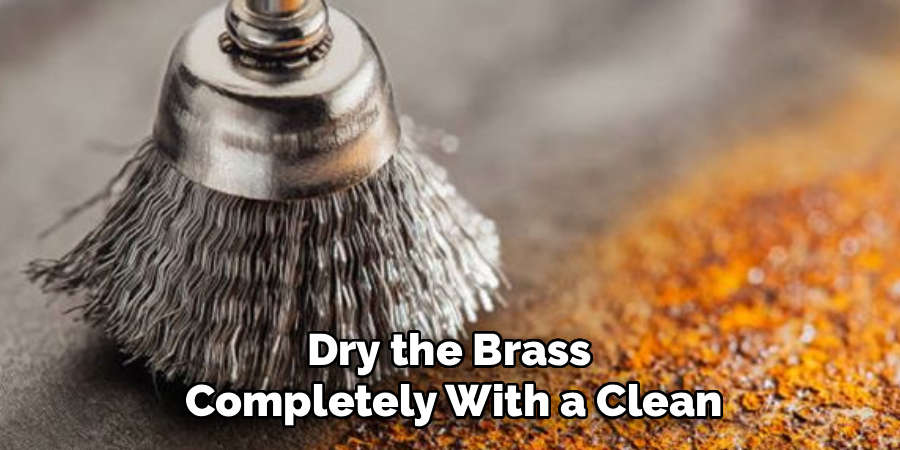
Dry the brass completely with a clean, soft microfiber cloth, since trapped moisture can trigger fresh stains. Once dry, buff the surface gently to bring back its natural shine, using a dedicated brass polish if you’d like extra luster. For lasting protection, apply a thin coat of mineral oil or a specialized lacquer, which creates a barrier against moisture and future rust. Store the item in a dry spot away from humidity. With this final step finished, your brass piece should look refreshed and bright. A little ongoing care keeps it looking great for years to come.
Frequently Asked Questions
Does Pure Brass Actually Rust on Its Own?
Pure brass does not rust the way iron does, because it contains no iron to form that orange corrosion. Instead, brass tarnishes and may develop a greenish patina over time. The rust you see usually comes from nearby steel parts, screws, or brass-plated items with a steel core. Identifying the true source helps you treat the problem correctly and protect the metal’s finish.
How Long Should I Leave Vinegar on Brass?
Keep vinegar on brass for no longer than five to ten minutes at a time. Vinegar is a mild acid, and while it loosens rust effectively, leaving it too long can dull or etch the soft surface. Check the metal frequently and reapply in short intervals if needed. Always rinse thoroughly and neutralize with baking soda afterward to stop the acid from continuing to work on the brass.
Can I Use Steel Wool to Scrub Rust Off Brass?
Avoid steel wool on brass, since its coarse fibers can scratch and permanently dull the soft surface. Worse, tiny steel particles can lodge in the metal and create new rust spots later. Instead, reach for a soft toothbrush, a microfiber cloth, or a non-abrasive sponge. These gentle tools lift rust effectively while protecting the finish, giving you clean results without the risk of lasting damage.
What’s the Best Homemade Solution for Rust on Brass?
A simple mix of white vinegar and salt works wonderfully for most rust stains on brass. The vinegar’s mild acidity dissolves rust while the salt adds gentle scrubbing texture. Lemon juice with salt offers a similar effect and smells fresh. For light stains, a baking soda paste alone can do the trick. Always test on a small hidden area first to make sure the finish reacts well.
How Do I Stop Rust from Coming Back on Brass?
Prevention starts with keeping brass dry, since moisture triggers both tarnish and rust on nearby metals. After cleaning, apply a thin coat of mineral oil or a clear lacquer to seal the surface. Store items away from humid areas, and wipe them periodically with a soft, dry cloth. Removing any steel screws or fittings touching the brass also helps, since those parts are often the real source of staining.
Conclusion
Restoring brass doesn’t have to feel intimidating, even if you’ve never tackled a cleaning project like this before. The key is patience and a gentle touch: confirm your material, clean off loose debris, apply a mild vinegar-and-salt solution, scrub softly, then neutralize, rinse, and protect. Each step builds on the last, and together they show you exactly how to dissolve rust without damaging brass while keeping that beautiful golden finish fully intact. With simple supplies from around your home, you can revive fixtures, hardware, and treasured pieces that might otherwise end up in the trash.
Now it’s your turn to put these steps into action. Pick one rusty brass item, set aside a little time, and follow this guide from start to finish. You’ll likely be surprised at how quickly the stains lift and how bright the metal becomes. Keep up with regular care and protective coatings, and you’ll prevent future rust from taking hold. The more you practice, the more confident you’ll feel restoring brass of all kinds. Go ahead and give that neglected piece the makeover it deserves.

About
Stuart Rich is a distinguished figure in the world of metalworking and fabrication, with a decade of expertise creating innovative and sustainable metal projects. His professional focus lies in merging traditional blacksmithing and machining with modern manufacturing techniques, fostering designs that are both practical and durable. As the author of Metalenify, Stuart Rich delves into the art and science of metallurgy and DIY metal creation, inspiring artisans, hobbyists, and industry professionals alike.
Education
RMIT University
(Melbourne, Australia)
Associate Degree in Engineering Technology (Mechanical / Manufacturing)
Focus on metallurgical properties, industry-driven projects, and practical metal craftsmanship. Gained hands-on experience with traditional machining and digital manufacturing tools, such as CAD, CNC software, and precision welding equipment.
Nottingham Trent University
(United Kingdom)
Bachelor’s in Product Design and Materials Engineering (Honors)
Specialized in product design with a heavy focus on blending creativity with metal production and fabrication techniques. Participated in real-world industry projects, collaborating with architectural and hardware manufacturing companies to optimize material efficiency.
Publications and Impact
In Metalenify, Stuart Rich shares his insights on structural metal design processes, material grades, and strategies for efficient shop production. His writing bridges the gap between raw artisan knowledge and modern industrial needs, making it a must-read for both budding DIY metalworkers and seasoned fabrication professionals.