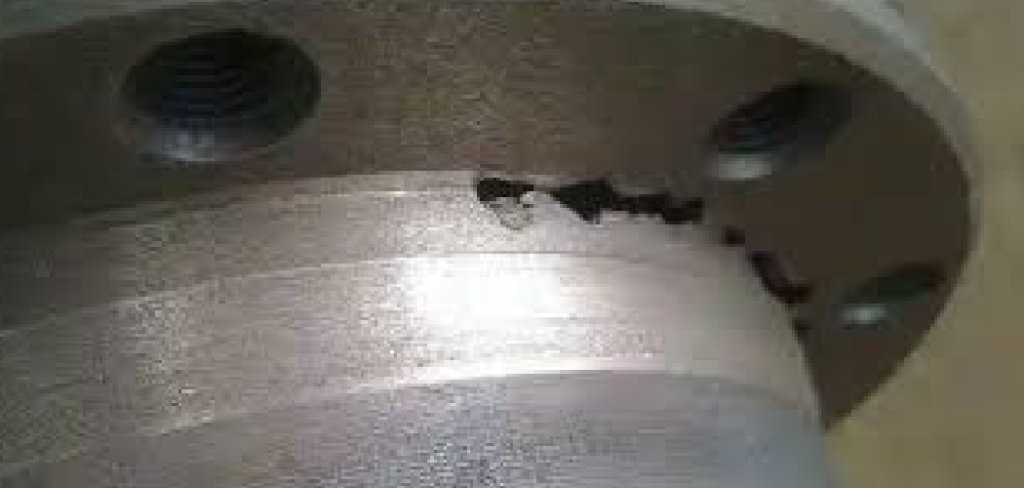
Shrinkage porosity is one of the most frustrating problems in metal casting. It shows up as tiny voids or spongy spots inside a casting, and it can weaken the final part in ways that are hard to spot until it fails. If you work with foundries, machine shops, or quality control, learning how to fix shrinkage porosity in cast steel can save you time, money, and a lot of rework. These defects form when molten steel cools and contracts faster than the surrounding metal can feed it, leaving gaps behind.
The good news is that this problem is preventable and, in many cases, repairable. You do not need decades of experience to start making real improvements. With the right approach to gating, feeding, cooling, and inspection, you can dramatically reduce defects and produce stronger, cleaner castings. This guide breaks everything down into simple, practical steps for all skill levels, so you can move forward with confidence and get reliable results from your very next pour.
Why Fixing Shrinkage Porosity in Cast Steel Matters
Porosity is more than a cosmetic flaw. Those hidden voids reduce the strength, pressure tightness, and fatigue life of a part, which can lead to cracks or sudden failure under load. For safety-critical components like valves, pump bodies, or structural brackets, that risk is simply unacceptable.
Fixing these defects also protects your bottom line. Scrapped castings, repeated machining, and warranty claims add up fast. By controlling porosity early, you boost first-pass yield, cut waste, and build a reputation for quality your customers trust. Cleaner castings machine better, weld better, and pass inspection more often. In short, solving this problem means stronger parts, happier clients, lower costs, and far fewer headaches across your entire production line.
Step-by-Step Guide to How To Fix Shrinkage Porosity in Cast Steel
Step 1: Understand Where the Voids Form
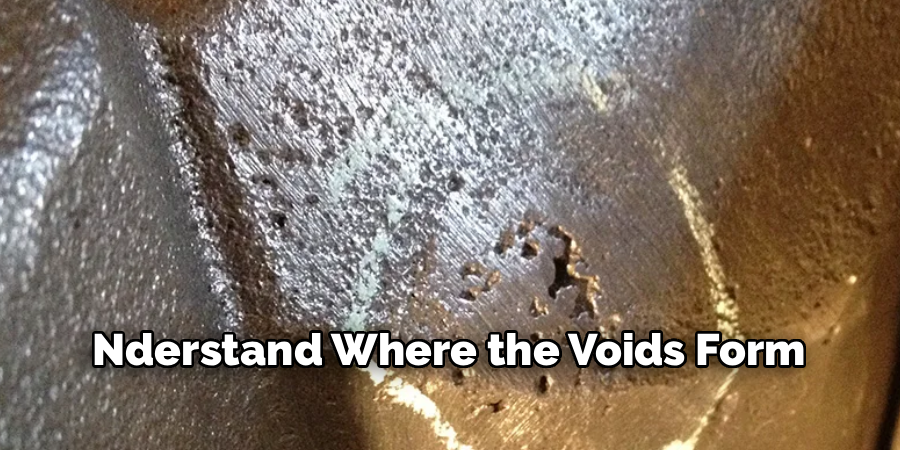
Before you fix anything, you need to know why it happens. Shrinkage occurs because liquid steel takes up more space than solid steel, so as the metal cools it contracts and pulls inward. Find the sweet spot for your specific steel grade and stick to it with tight, repeatable control. When a section solidifies before nearby metal can feed it, a void is left behind.
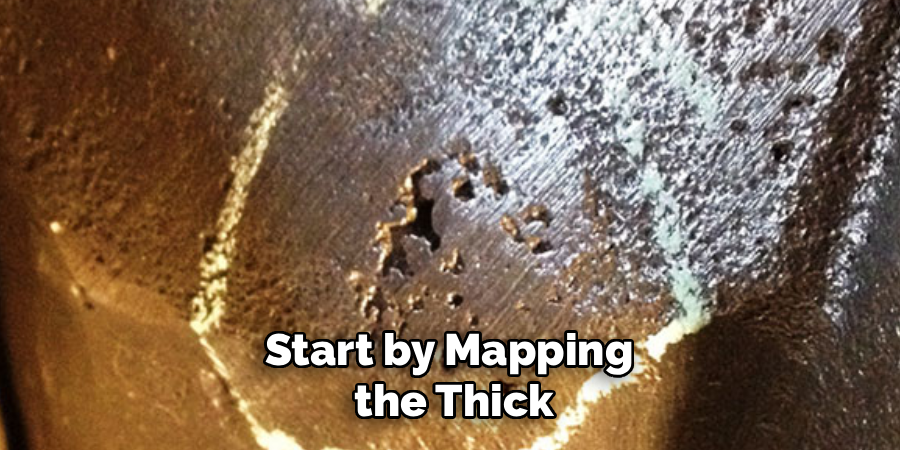
Start by mapping the thick and thin areas of your casting. Heavy sections, sharp transitions, and isolated bosses are common trouble spots. Identifying these hot spots early gives you a clear target, so your later steps focus exactly where the metal struggles to stay fed during cooling.
Step 2: Improve Your Riser Design
Risers are reservoirs of molten metal that feed the casting as it shrinks. If they are too small, too far away, or freeze too soon, the casting starves and porosity appears.
Size each riser so it stays liquid longer than the section it serves, and place it close to the heaviest area. Use the modulus method, where you compare volume to surface area, to confirm the riser solidifies last. Insulating sleeves or exothermic compounds keep risers hot, extending their feeding time. A well-planned riser is often the single most powerful change you can make to eliminate internal voids.
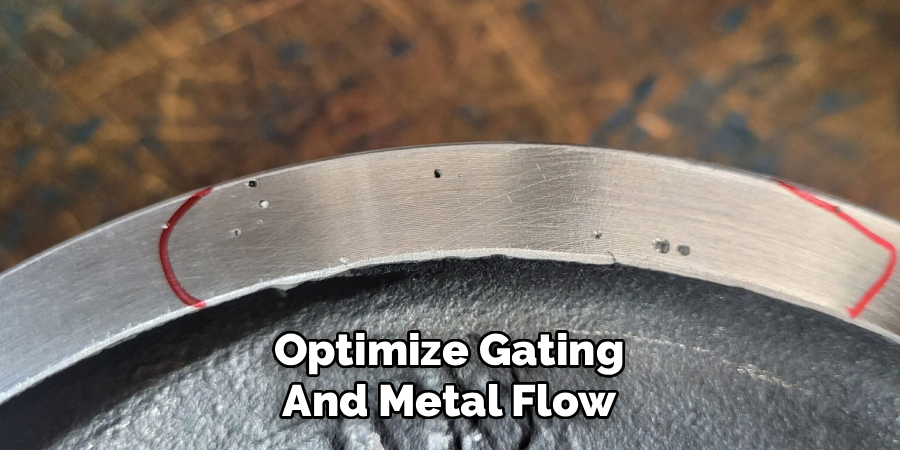
Step 3: Optimize Gating and Metal Flow
Your gating system controls how steel enters the mold, and poor flow creates turbulence, cold spots, and uneven filling. Smooth, well-directed flow helps the metal arrive hot and stay feedable.
Knowing how to fix shrinkage porosity in cast steel often starts here, because directional solidification depends on proper gating. Design gates so the mold fills steadily from the far points back toward the risers. Avoid sharp turns that trap air or slow the metal. Keep ingates positioned so the hottest metal sits where you want it to freeze last, supporting a clean, progressive solidification pattern through the whole part.
Step 4: Control Pouring Temperature
Temperature has a huge effect on shrinkage behavior. Pour too hot and the metal contracts excessively as it cools, widening voids. Pour too cold and it freezes before risers can feed properly, which also traps porosity.
Find the sweet spot for your specific steel grade and stick to it with tight, repeatable control. Use a calibrated pyrometer and check readings consistently rather than relying on visual judgment. Keep ladle transfer times short to avoid heat loss between melting and pouring. Stable, well-managed temperatures make every other improvement in your process more reliable and far easier to repeat.
Step 5: Use Chills to Guide Solidification
Chills are metal inserts placed in the mold to pull heat away from specific areas faster. They are a simple, effective tool for steering how and when sections freeze.
Place chills against heavy sections that would otherwise solidify last, so they cool first and let risers feed the remaining metal. This promotes directional solidification, moving the final freezing point toward the riser instead of the casting body. External chills sit in the mold wall, while internal chills become part of the casting. Used thoughtfully, chills break up isolated hot spots that would otherwise turn into stubborn internal voids.
Step 6: Inspect, Detect, and Confirm
You cannot fix what you cannot see, so inspection is essential. Many voids hide beneath the surface, completely invisible to the naked eye until machining reveals them.
This is where learning how to fix shrinkage porosity in cast steel pays off, because reliable detection guides every correction you make. Use radiographic or ultrasonic testing to locate internal voids, and dye penetrant testing for surface defects. Record where problems appear and compare them to your hot-spot map from earlier. Consistent inspection turns guesswork into data, letting you confirm whether your gating, risers, and chills are truly working before you scale up production.
Step 7: Repair and Refine Your Process
When a casting already has porosity, you can often repair it rather than scrap it. Welding is the most common method, where you grind out the defect, fill it with compatible filler metal, and re-inspect the repaired area.
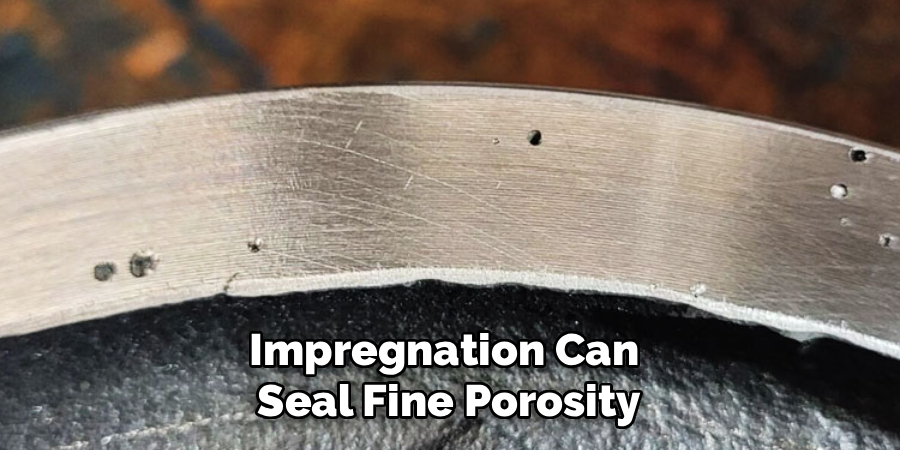
For pressure-tight parts, impregnation can seal fine porosity by filling voids with a sealing resin. After repair, feed your findings back into the process. Adjust riser size, gating, or chill placement based on what you learned, then test again. Treating each casting as a chance to improve creates a continuous loop that steadily drives defects down over time.
Frequently Asked Questions
What Is the Main Cause of Shrinkage Porosity?
The main cause is uneven cooling. Liquid steel shrinks as it solidifies, and when one section freezes before nearby metal can feed it, a void forms. Thick areas, isolated bosses, and poor riser placement are common culprits. Controlling solidification direction with risers, chills, and good gating is the most effective way to prevent these internal gaps from appearing.
Can Shrinkage Porosity Be Repaired After Casting?
Yes, in many cases it can. Surface and shallow defects are often repaired by grinding out the affected area and welding with compatible filler metal, followed by re-inspection. Fine internal porosity in pressure-tight parts can be sealed using resin impregnation. However, repair should support a better process, not replace it, so always investigate and address the root cause too.
How Do You Detect Porosity Inside a Casting?
Internal voids are usually invisible from the outside, so nondestructive testing is essential. Radiographic testing uses X-rays to reveal hidden cavities, while ultrasonic testing detects voids through sound waves. For surface defects, dye penetrant inspection works well. Combining these methods gives you a complete picture, helping you confirm whether your process changes are actually reducing defects across your castings.
Does Pouring Temperature Really Make a Difference?
Absolutely. Pouring too hot increases total shrinkage as the metal cools through a wider range, which can enlarge voids. Pouring too cold causes early freezing, so risers cannot feed properly. The goal is a stable, repeatable temperature suited to your steel grade. Use a calibrated pyrometer and short ladle times to keep heat consistent from pour to pour.
Are Chills Worth Using in Every Casting?
Not always, but they are extremely useful for heavy or isolated sections that freeze last. Chills pull heat away quickly, encouraging directional solidification toward the riser instead of trapping metal in the casting body. For simple, uniform parts, good risers and gating may be enough. For complex shapes with hot spots, chills can be the difference between a clean part and a defect.
Conclusion
Porosity does not have to be a mystery or a recurring nightmare. Once you understand why voids form, you can attack the problem from every angle, from smarter riser design and balanced gating to controlled temperatures, well-placed chills, and reliable inspection. Each step builds on the last, creating a process you can trust and repeat.
The real secret to how to fix shrinkage porosity in cast steel is consistency. Map your hot spots, make one improvement at a time, and let inspection data guide your next move. Treat every pour as a chance to learn and refine. Start applying these steps on your next casting, track your results, and watch your defect rates fall while your part quality climbs. Stronger, cleaner castings are well within your reach.

About
Stuart Rich is a distinguished figure in the world of metalworking and fabrication, with a decade of expertise creating innovative and sustainable metal projects. His professional focus lies in merging traditional blacksmithing and machining with modern manufacturing techniques, fostering designs that are both practical and durable. As the author of Metalenify, Stuart Rich delves into the art and science of metallurgy and DIY metal creation, inspiring artisans, hobbyists, and industry professionals alike.
Education
RMIT University
(Melbourne, Australia)
Associate Degree in Engineering Technology (Mechanical / Manufacturing)
Focus on metallurgical properties, industry-driven projects, and practical metal craftsmanship. Gained hands-on experience with traditional machining and digital manufacturing tools, such as CAD, CNC software, and precision welding equipment.
Nottingham Trent University
(United Kingdom)
Bachelor’s in Product Design and Materials Engineering (Honors)
Specialized in product design with a heavy focus on blending creativity with metal production and fabrication techniques. Participated in real-world industry projects, collaborating with architectural and hardware manufacturing companies to optimize material efficiency.
Publications and Impact
In Metalenify, Stuart Rich shares his insights on structural metal design processes, material grades, and strategies for efficient shop production. His writing bridges the gap between raw artisan knowledge and modern industrial needs, making it a must-read for both budding DIY metalworkers and seasoned fabrication professionals.