Galvanised steel is one of the toughest materials you’ll find in modern manufacturing and home construction. From outdoor furniture to industrial fencing and structural supports, it holds up remarkably well against the elements. But even the most durable surfaces collect grime over time—and if left unchecked, that buildup can compromise both appearance and structural integrity.
This guide on how to make metal table legs walks you through everything you need to know about cleaning galvanised steel effectively. You’ll learn what types of dirt and stains to look out for, how to stay safe during the cleaning process, and a clear, step-by-step method for restoring your galvanised surfaces to their original condition.
Understanding Galvanised Steel
At its core, galvanised steel is carbon steel coated with a thin layer of zinc—applied through a process called hot-dip galvanisation. That zinc layer acts as a sacrificial barrier, corroding in place of the steel beneath it when exposed to moisture, oxygen, and other environmental elements.
The result is a highly durable, corrosion-resistant material used across construction, agriculture, automotive manufacturing, and home design. That said, the zinc coating isn’t indestructible. Harsh chemicals, salt exposure, and extended neglect can degrade it over time, which is why regular, appropriate cleaning matters more than most people assume.
Types of Dirt and Stains on Galvanised Steel
Not all stains are the same, and identifying what you’re dealing with helps you pick the right cleaning approach. The most common contaminants on galvanised steel include:
- White rust (zinc oxidation): A powdery white deposit that forms when zinc reacts with moisture and carbon dioxide. It’s the most frequently seen issue and tends to look like a chalky residue on the surface.
- Red rust: When the zinc coating has been damaged or worn through, the steel beneath can start to rust. Red rust signals more serious deterioration and warrants immediate attention.
- Grease and oil: Particularly common on galvanised steel in industrial or automotive settings—these stains need degreasing agents, not just soap and water.
- Dirt and mud: Surface-level buildup that may seem harmless but can trap moisture and quietly accelerate corrosion if ignored.
- Mold and mildew: Often found in humid environments, organic stains like these can embed themselves in surface pitting if left untreated for too long.
Safety Precautions Before Cleaning
A few safety habits are worth establishing before you pick up a brush or bucket.
Always wear chemical-resistant gloves and safety goggles when working with cleaning agents—even mild detergents can cause skin irritation with prolonged contact. Work in a well-ventilated area, particularly when using solvent-based cleaners.
Strong acids or bleach-based products should be kept well away from galvanised steel, as they can strip the zinc coating far faster than most people expect. Before applying any new cleaning solution to the full surface, test it on a small, inconspicuous area first.
7 Simple Steps on How to Make Metal Table Legs
Step 1: Gather Your Cleaning Supplies
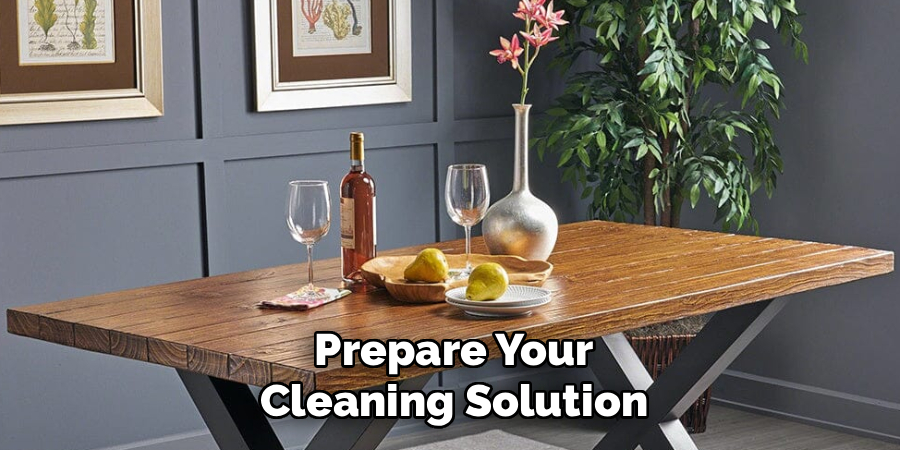
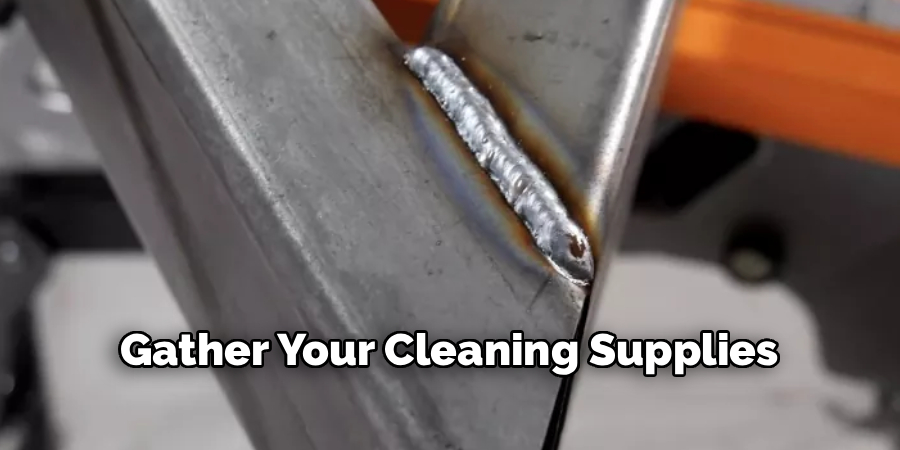
Before starting, collect everything you need, so you’re not hunting for tools mid-clean. You’ll need a bucket, warm water, a mild dish soap or pH-neutral detergent, a soft-bristle brush or non-abrasive sponge, white vinegar (for mineral deposits), a microfiber cloth, and clean rinse water.
Steel wool, wire brushes, and abrasive scrubbing pads are off the table entirely. These scratches through the zinc layer leave the underlying steel exposed to rust. Starting with the right tools makes the whole process safer—and considerably more effective.
Step 2: Remove Loose Debris
Use a dry, soft-bristle brush to sweep away any loose dirt, dust, leaves, or debris before applying any liquid. For outdoor structures like fencing or garden furniture, a gentle rinse with a garden hose works well to dislodge surface grime first.
This step is easy to skip, but it matters. Scrubbing over loose particles can create micro-scratches in the zinc coating—something that clearing the surface beforehand almost entirely prevents.
Step 3: Prepare Your Cleaning Solution
Mix a small amount of mild dish soap or pH-neutral detergent with warm water. The solution should be sudsy but not heavily concentrated—roughly one tablespoon of soap per liter of water tends to work well for general cleaning.
For stubborn mineral deposits or white rust, a diluted white vinegar solution (one part vinegar to five parts water) may be more effective. Vinegar is mildly acidic, so it shouldn’t sit on the surface for more than a few minutes and needs to be thoroughly rinsed off afterward.
Step 4: Apply the Cleaning Solution
Dip your soft-bristle brush or sponge into the solution and scrub the surface using gentle, circular motions. Work in manageable sections rather than tackling everything at once—this prevents the solution from drying on the steel before you can rinse it away.
Pay particular attention to joints, corners, and recessed areas. These spots are easy to overlook during routine cleaning but tend to retain moisture and show early-stage corrosion first.
Step 5: Tackle Stubborn Stains
For grease or oil stains, apply a small amount of non-solvent-based degreaser directly to the affected area, let it sit for two to three minutes, then scrub. For white rust spots, apply your diluted vinegar solution with a cloth, allow it to penetrate for no more than five minutes, then scrub gently.
Rinse the treated area promptly afterward. Letting any cleaning agent linger can trigger unintended chemical reactions with the zinc coating. If red rust is present, a specialist rust converter product—or a professional assessment—may be warranted before cleaning continues.
Step 6: Rinse Thoroughly
Once scrubbing is complete, rinse the entire surface with clean water. Soap or cleaning solution left on galvanised steel can leave residue that attracts dirt more quickly and may contribute to surface degradation over time.
For large outdoor surfaces, a garden hose does the job efficiently. For smaller items, a clean bucket of fresh water and a rinsing cloth work well. Pay close attention to joints and crevices where solution can pool unseen.
Step 7: Dry and Inspect the Surface
Dry the surface as thoroughly as possible using a clean microfiber cloth. Allowing galvanised steel to air dry can leave water spots—especially in hard water areas—and prolonged moisture exposure speeds up zinc oxidation.
Once dry, inspect the surface under good lighting. Look for any remaining stains, areas where the zinc coating appears thin or worn, or early signs of red rust. Catching these issues early means you can apply a zinc-rich primer or sealant before further deterioration takes hold.
Following these steps on how to make metal table legs last longer will not only keep them looking great but also protect them from rust and corrosion.
Preventive Maintenance Tips
Keeping galvanised steel clean is significantly easier than restoring it after heavy neglect. A few habits, applied consistently, can extend the life of your surfaces by years:
- Clean at least twice a year, and more frequently in coastal or industrial environments where salt and pollutants are prevalent.
- Apply a coat of automotive wax or a dedicated zinc sealant annually to add a protective barrier against moisture and oxidation.
- Check for physical damage—scratches, chips, or dents—after extreme weather, and treat exposed areas promptly.
- Avoid prolonged contact with dissimilar metals like copper or brass, which can trigger galvanic corrosion.
Common Mistakes to Avoid
Even careful cleaning can cause damage if done incorrectly.
The most common mistakes to steer clear of include using bleach or acid-based cleaners that strip the zinc coating, scrubbing with abrasive tools that cause micro-scratches, leaving cleaning solutions on the surface without rinsing promptly, failing to dry the surface thoroughly after cleaning, and ignoring early signs of damage that worsen significantly without timely treatment.
Frequently Asked Questions
Can You Use Bleach to Clean Galvanised Steel?
No—bleach should never be applied directly to galvanised steel. Sodium hypochlorite, the active ingredient in most household bleach products, reacts aggressively with zinc and can accelerate degradation of the protective coating. Repeated bleach exposure may strip the zinc layer entirely, leaving the underlying steel exposed and highly susceptible to rust. pH-neutral detergents or mild soap solutions are a far safer choice.
How Often Should Galvanised Steel Surfaces Be Cleaned?
For most residential applications—garden furniture, fencing, or decorative metalwork—a thorough clean twice a year appears sufficient. However, galvanised steel in coastal regions, industrial zones, or high-humidity environments may need cleaning every three to four months, as salt air and airborne pollutants accelerate zinc oxidation considerably faster than in calmer conditions.
What Is the Best Way to Remove White Rust from Galvanised Steel?
A diluted white vinegar solution (one part vinegar to five parts water) tends to work well for white rust removal. Apply with a soft cloth, allow it to sit for no more than five minutes, scrub gently with a non-abrasive brush, then rinse thoroughly. For more advanced white rust formation, a commercial zinc-safe rust remover may be required. Always follow product instructions carefully and rinse the surface completely after treatment.
Final Thoughts on Caring for Galvanised Steel
Galvanised steel earns its reputation as a long-lasting, low-maintenance material—but only when given the right care. A consistent cleaning routine, the correct tools, and a clear understanding of what to avoid are all it takes to keep these surfaces performing well for decades.
Start with the steps outlined in this guide, and build preventive maintenance into a regular habit. The time you invest now will pay off considerably in the years ahead. Thanks for reading this guide on how to make metal table legs.

About
Stuart Rich is a distinguished figure in the world of metalworking and fabrication, with a decade of expertise creating innovative and sustainable metal projects. His professional focus lies in merging traditional blacksmithing and machining with modern manufacturing techniques, fostering designs that are both practical and durable. As the author of Metalenify, Stuart Rich delves into the art and science of metallurgy and DIY metal creation, inspiring artisans, hobbyists, and industry professionals alike.
Education
RMIT University
(Melbourne, Australia)
Associate Degree in Engineering Technology (Mechanical / Manufacturing)
Focus on metallurgical properties, industry-driven projects, and practical metal craftsmanship. Gained hands-on experience with traditional machining and digital manufacturing tools, such as CAD, CNC software, and precision welding equipment.
Nottingham Trent University
(United Kingdom)
Bachelor’s in Product Design and Materials Engineering (Honors)
Specialized in product design with a heavy focus on blending creativity with metal production and fabrication techniques. Participated in real-world industry projects, collaborating with architectural and hardware manufacturing companies to optimize material efficiency.
Publications and Impact
In Metalenify, Stuart Rich shares his insights on structural metal design processes, material grades, and strategies for efficient shop production. His writing bridges the gap between raw artisan knowledge and modern industrial needs, making it a must-read for both budding DIY metalworkers and seasoned fabrication professionals.