That old aluminum can, the rusty pipe in your garage, the broken bicycle frame gathering dust—these aren’t junk. They’re raw materials with real value, and most of them never run out of recycling potential. Metal can be melted down and reused again and again without losing quality.
Yet millions of tons of recyclable metal still end up in landfills every year. Often, people simply don’t know how to start or what to do with their scraps.
This guide on how to recycle metal scraps fixes that. You’ll learn why recycling metal matters, what tools and gear you need, and a clear ten-step process to do it right. By the end, you’ll be ready to turn your scrap pile into something useful—and maybe a little cash.
What Are the Benefits?
Recycling metal isn’t just a feel-good chore. It delivers real advantages across three areas: the planet, your wallet, and your community.
1. Environmental Advantages
Mining and processing new metal takes enormous energy. Recycling aluminum, for example, uses about 95% less energy than producing it from raw ore. That translates to fewer greenhouse gas emissions and less air pollution.
You also reduce the need for new mining. Every ton of recycled steel saves natural resources like iron ore, coal, and limestone. Less mining means fewer disrupted landscapes and cleaner waterways.
Landfills benefit too. Metal doesn’t break down easily, so it takes up space for decades. Recycling keeps it out of the ground and back in use.
2. Financial Rewards
Many metals have cash value at scrap yards. Copper, brass, and aluminum often fetch a solid price per pound. Even small, regular drop-offs can add up over a year.
Businesses save money as well. Manufacturers buy recycled metal because it’s cheaper than virgin material. That demand keeps the whole system running and puts money back in your pocket.
3. Community Impact
The recycling industry creates jobs—from collection and sorting to processing and manufacturing. Supporting it strengthens local economies.
Cleaner neighborhoods are another win. When scrap gets recycled instead of dumped, your area stays tidier and safer. You set an example that encourages others to do the same.
What Will You Need?
You don’t need fancy equipment to start. A few basic items will keep you organized and safe.
Safety Gear:
- Heavy-duty work gloves to protect against sharp edges
- Safety glasses or goggles
- Closed-toe boots or sturdy shoes
- A dust mask if you’re handling rusty or dirty metal
Basic Tools:
- A strong magnet (to separate ferrous from non-ferrous metals)
- Wire cutters or snips for trimming
- A hand truck or dolly for heavy loads
- A small scale to weigh your scraps before selling
Sorting Containers:
- Separate bins or buckets labeled by metal type
- Sturdy bags for smaller pieces
- A tarp to keep your workspace clean
Preparation Items:
- A rag and brush to clean off dirt or grease
- A notebook or phone app to track weights and prices
Gather these before you begin, and the whole process will run much smoother.
10 Easy Steps on How to Recycle Metal Scraps
Follow these ten steps in order. Each one builds on the last, so by the time you reach the scrap yard, you’ll be fully prepared.
Step 1: Collect Your Metal Scraps
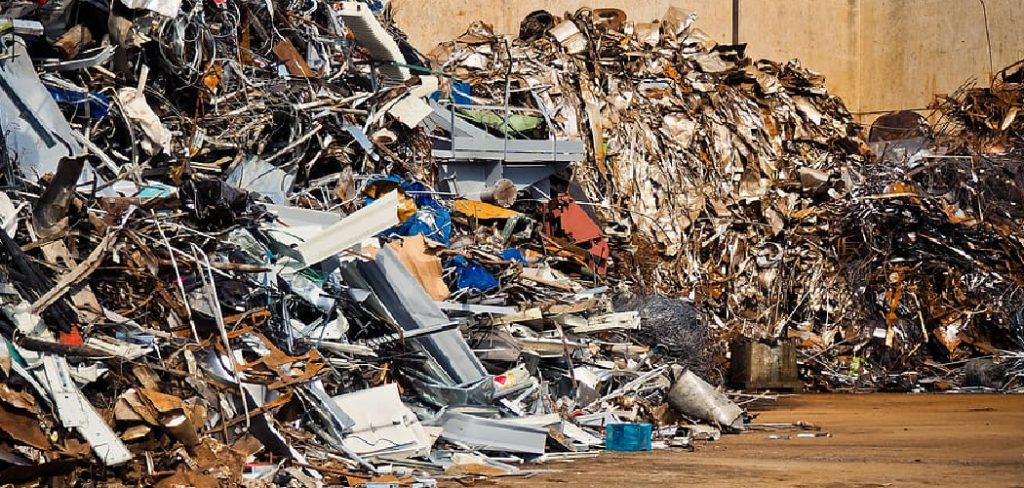
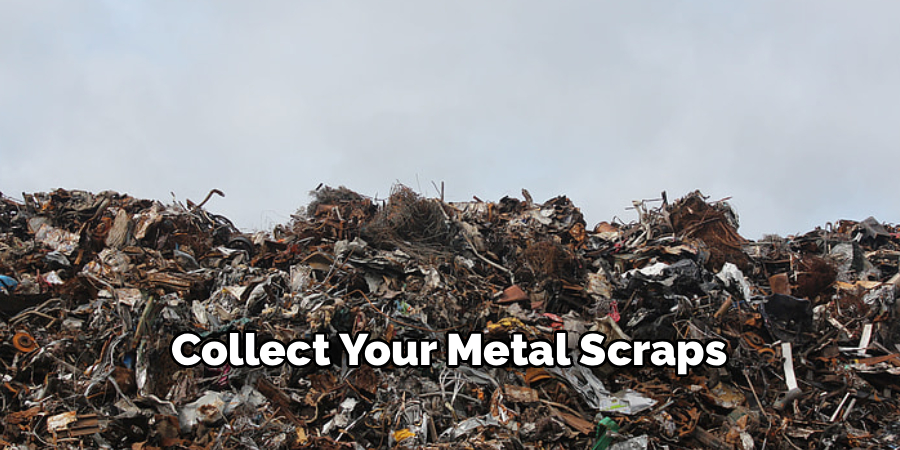
Start by gathering all the metal you want to recycle. Check your garage, basement, yard, and shed. Common items include cans, old appliances, pipes, wires, tools, and broken furniture frames.
Set everything in one spot, like a driveway or garage floor. Lay down a tarp first to keep the area clean. Having it all in one place makes the next steps far easier.
Step 2: Identify the Types of Metal
Not all metal is the same, and different types have different values. The two main categories are ferrous and non-ferrous.
Ferrous metals contain iron—think steel and cast iron. Non-ferrous metals include aluminum, copper, brass, and lead. Non-ferrous metals usually pay more at the scrap yard.
Learning to spot the difference now saves time later. A quick visual check often gives you a good first guess.
Step 3: Use a Magnet to Sort
Grab your magnet and test each piece. If the magnet sticks, the metal is ferrous (iron-based). If it doesn’t stick, it’s non-ferrous.
This simple trick is the fastest way to separate your pile. Make two groups: one for magnetic metals and one for non-magnetic. You’ll fine-tune the sorting in the next step.
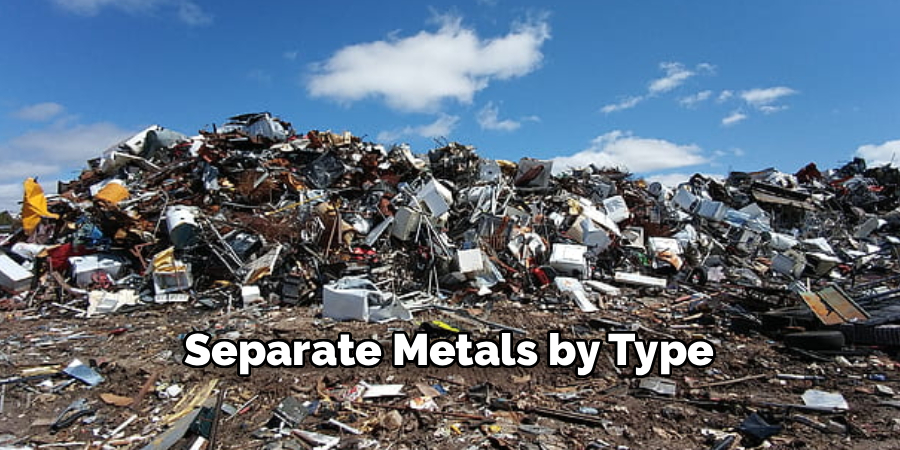
Step 4: Separate Metals by Type
Now break your two groups into more specific categories. Put copper with copper, aluminum with aluminum, and brass with brass. Use your labeled containers to stay organized.
Scrap yards pay more when metals are already sorted. Mixed loads often get downgraded to the cheapest category. A little extra effort here can boost your payout.
Step 5: Clean Your Metal Scraps
Dirty or contaminated metal is worth less. Wipe off dirt, grease, and grime with a rag or brush. For wires, you may want to strip off the plastic coating to expose the copper inside.
Remove non-metal attachments where you can—plastic handles, rubber seals, or wood pieces. Cleaner metal earns a better price and processes faster.
Step 6: Cut Larger Pieces Down
Some scraps may be too big or awkward to transport. Use wire cutters, snips, or a saw to break them into manageable sizes.
Always wear gloves and eye protection during this step. Cutting metal can send sharp shards flying. Work slowly and keep your hands clear of the cutting edge.
Step 7: Weigh and Record Your Scraps
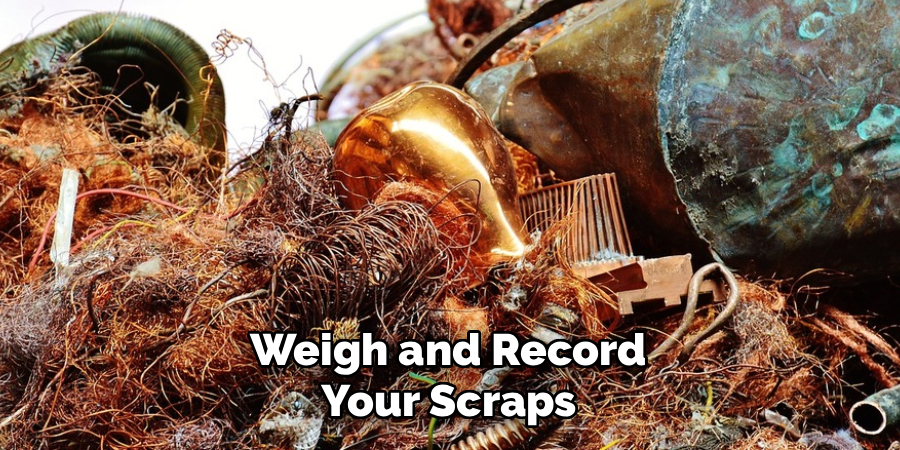
Use your small scale to weigh each sorted category. Write the weights in your notebook or app. This helps you estimate value before you arrive at the yard.
Tracking your numbers also lets you compare prices between buyers. You’ll quickly learn which metals bring the best return and adjust your collecting habits.
Step 8: Research Local Scrap Yards
Prices vary from one buyer to the next. Search online or call a few scrap yards near you. Ask about their current rates for the metals you have.
Check their hours, location, and any rules about what they accept. Some yards require ID or have minimum quantities. A quick call now avoids a wasted trip.
Step 9: Transport Your Metal Safely
Load your sorted scraps carefully into your vehicle. Use a hand truck for heavy items to protect your back. Secure everything so it doesn’t shift while driving.
Keep your sorted containers separate during transport. You don’t want all your hard sorting work mixing back together on the way over.
Step 10: Sell or Drop Off Your Metal
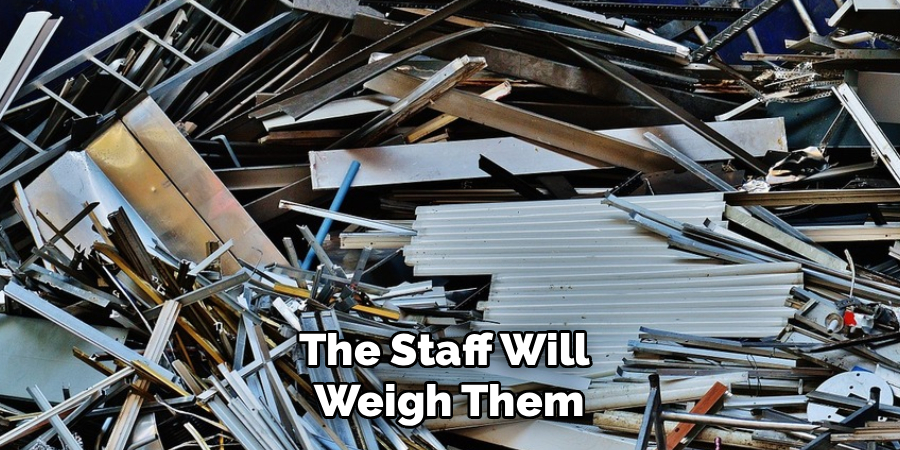
At the scrap yard, hand over your sorted metals. The staff will weigh them and pay you based on current rates. Double-check that their weights match your records.
If you’re recycling without selling, drop your metal at a local recycling center instead. Either way, you’ve completed the cycle and kept valuable material out of the landfill.
Quick takeaway: Sort carefully, clean thoroughly, and shop around for the best price—those three habits make the biggest difference.
5 Things You Should Avoid
Even simple recycling has pitfalls. Steer clear of these common mistakes to stay safe and get the most value.
1. Mixing metals. Throwing everything into one bin lowers your payout. Always keep metal types separated by category.
2. Skipping safety gear. Sharp edges, rust, and metal shards cause real injuries. Never handle scrap without gloves and eye protection.
3. Recycling hazardous items. Some materials—like propane tanks, aerosol cans, or items with mercury—are dangerous. Don’t crush or cut them. Take them to a proper hazardous waste facility.
4. Ignoring local rules. Each yard and city has its own guidelines. Dropping off the wrong items can get you turned away or fined. Always check first.
5. Leaving metal dirty. Contaminated scrap loses value and may be rejected. Take a few minutes to clean off dirt, grease, and non-metal attachments.
Avoiding these slip-ups keeps you safe and protects your earnings.
Frequently Asked Questions
1. How Much Money Can I Make Recycling Metal Scraps?
Earnings depend on the type and amount of metal you collect. Non-ferrous metals like copper and brass pay the most, often several dollars per pound. Steel and iron pay less but add up in bulk. Prices also shift with the market, so check current rates often. A casual collector might earn modest pocket money, while regular sellers can build a steady side income.
2. Which Metals Are Worth the Most When Recycling?
Copper usually tops the list, followed by brass, aluminum, and stainless steel. These non-ferrous metals are in high demand and bring the best prices. Wires, pipes, and old fittings are common copper sources worth saving. Ferrous metals like steel pay less per pound but are easy to find in large amounts. Sorting by type ensures you get the highest value for each.
3. Can I Recycle Metal From Old Appliances?
Yes, most appliances contain valuable recyclable metal. Refrigerators, washers, stoves, and microwaves all hold steel, copper, and aluminum. Some appliances, though, contain refrigerants or hazardous parts that need special handling. Many scrap yards accept appliances, but call ahead to confirm. You may need to remove certain components first or pay a small fee for safe disposal.
Conclusion
How to recycle metal scraps is easier than it looks—and it pays off in more ways than one. You save energy, protect the environment, support local jobs, and earn a little cash along the way.
Just remember the basics: gather your scraps, sort them by type, clean them up, and find a reputable buyer. Use your safety gear, avoid the common mistakes, and follow local rules.
Ready to start? Grab a magnet, set up a few sorting bins, and tackle that scrap pile this weekend. Your wallet—and the planet—will thank you.

About
Stuart Rich is a distinguished figure in the world of metalworking and fabrication, with a decade of expertise creating innovative and sustainable metal projects. His professional focus lies in merging traditional blacksmithing and machining with modern manufacturing techniques, fostering designs that are both practical and durable. As the author of Metalenify, Stuart Rich delves into the art and science of metallurgy and DIY metal creation, inspiring artisans, hobbyists, and industry professionals alike.
Education
RMIT University
(Melbourne, Australia)
Associate Degree in Engineering Technology (Mechanical / Manufacturing)
Focus on metallurgical properties, industry-driven projects, and practical metal craftsmanship. Gained hands-on experience with traditional machining and digital manufacturing tools, such as CAD, CNC software, and precision welding equipment.
Nottingham Trent University
(United Kingdom)
Bachelor’s in Product Design and Materials Engineering (Honors)
Specialized in product design with a heavy focus on blending creativity with metal production and fabrication techniques. Participated in real-world industry projects, collaborating with architectural and hardware manufacturing companies to optimize material efficiency.
Publications and Impact
In Metalenify, Stuart Rich shares his insights on structural metal design processes, material grades, and strategies for efficient shop production. His writing bridges the gap between raw artisan knowledge and modern industrial needs, making it a must-read for both budding DIY metalworkers and seasoned fabrication professionals.