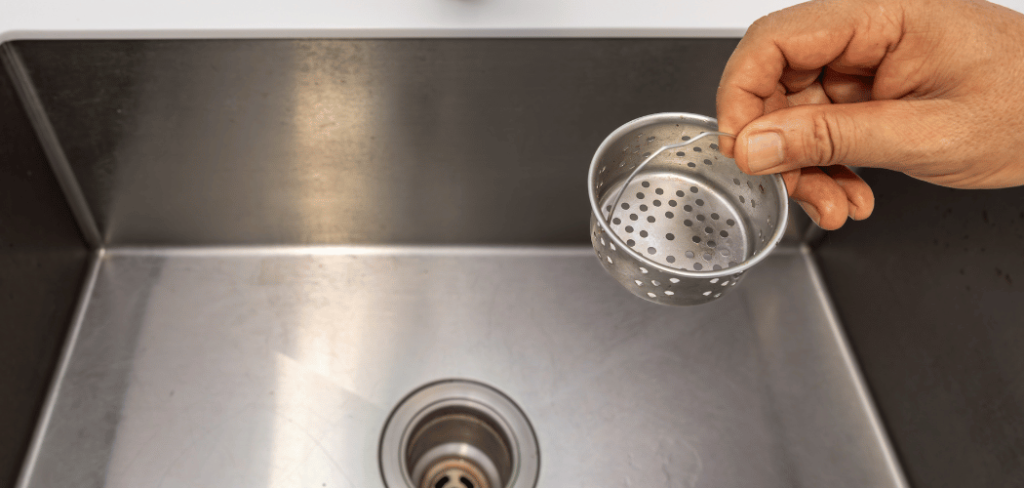
Stainless steel looks sleek and modern, but it shows every fingerprint, water spot, and grease smear. If your appliances, sinks, or cookware have lost their shine, you are in the right place. This guide walks you through how to remove stains from stainless steel using simple tools you likely already own.
You will learn the benefits of proper cleaning, the supplies you need, and a clear 10-step method. We will also cover common mistakes that damage the surface, plus answers to the questions homeowners ask most. By the end, your stainless steel will look bright, clean, and streak-free again.
The good news? You do not need expensive products or professional help. Most stains come off with patience, the right technique, and a few household items. Let’s get your surfaces gleaming.
What Are the Benefits?
Cleaning stainless steel properly does more than improve looks. It protects your investment and keeps your home healthier. Here are the main reasons it pays off.
- Longer Lifespan: Removing stains and grime prevents corrosion and pitting, so your appliances last for years.
- Better Hygiene: A clean surface holds fewer bacteria, which matters most in kitchens and bathrooms.
- Improved Appearance: Streak-free steel makes your whole space look fresh and well cared for.
- Higher Resale Value: Buyers notice spotless, well-maintained appliances and fixtures.
- Saves Money: Regular cleaning means fewer replacements and less need for costly repairs.
In short, a few minutes of care now keeps your stainless steel looking great and working well for the long haul.
What Will You Need?
Before you start, gather your supplies. Having everything ready saves time and keeps the job smooth. You probably already own most of these items.
- Two clean microfiber cloths (one for cleaning, one for drying)
- Warm water
- Mild dish soap
- White vinegar in a spray bottle
- Baking soda
- A soft sponge or non-abrasive pad
- Olive oil or mineral oil (for polishing)
- Paper towels
- A small bowl
- Rubber gloves (optional, for sensitive skin)
Avoid steel wool, scouring pads, and harsh chemical cleaners. These can scratch the surface and cause more harm than good. With your kit ready, you are set to begin.
10 Easy Steps on How to Remove Stains from Stainless Steel
Follow these steps for the best results. Each one builds on the last, so take your time and work carefully.
Step 1: Find the Grain Direction
Stainless steel has a grain, much like wood. Look closely, and you will see fine lines running in one direction. Always wipe along the grain, never against it. Cleaning across the grain can trap dirt in the tiny grooves and leave visible marks. This simple habit makes every other step more effective.
Step 2: Wipe Away Loose Dirt
Start by removing surface dust and crumbs with a dry microfiber cloth. This stops loose debris from scratching the steel once it gets wet. Wipe gently and follow the grain. For appliances with handles or edges, pay extra attention to spots where grime collects. A clean starting point makes the deeper cleaning easier.
Step 3: Mix a Mild Soap Solution
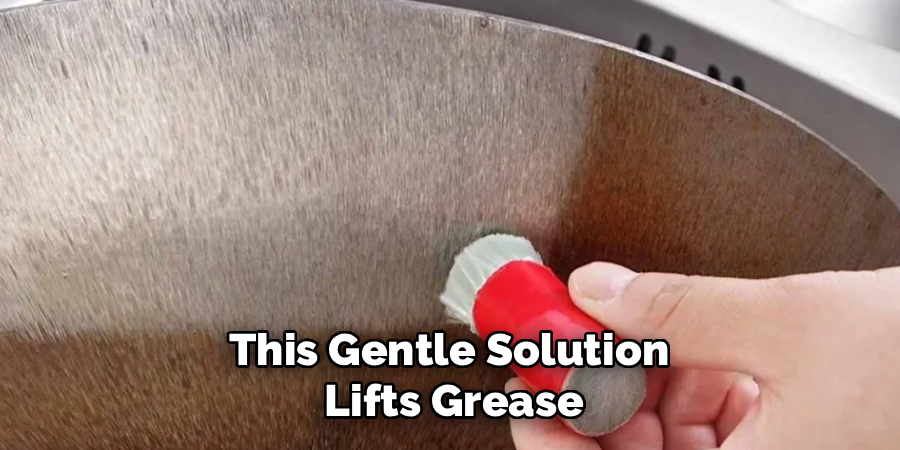
Fill a bowl with warm water and add a few drops of mild dish soap. Stir it until you see light suds. This gentle solution lifts grease and everyday grime without harming the finish. Avoid using too much soap, since extra residue can leave streaks. Keep the mix simple and mild for safe, effective cleaning.
Step 4: Clean the Surface
Dip your soft sponge into the soapy water and wring out the excess. Wipe the stainless steel along the grain, working in sections. For greasy spots near stoves, let the soapy sponge sit for a moment before wiping. Rinse your sponge often so you do not spread dirt around. This removes most light stains and food residue.
Step 5: Tackle Tough Stains with Baking Soda
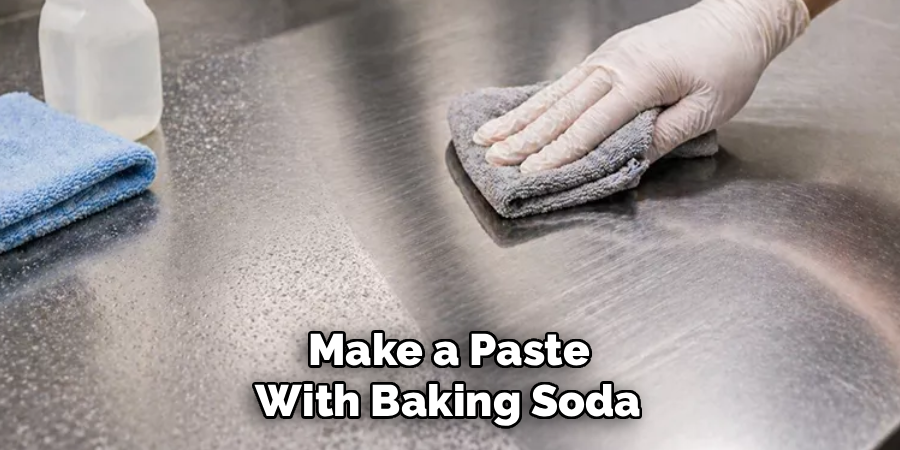
For stubborn spots, make a paste with baking soda and a little water. Apply it directly to the stain and let it sit for about five minutes. Baking soda is mildly abrasive, so it lifts grime without scratching. Gently rub the paste along the grain with a soft cloth. This works well on stuck-on food and burnt marks.
Step 6: Use Vinegar for Water Spots
Hard water leaves white, chalky spots on stainless steel. Spray white vinegar directly on these areas and let it sit for a minute. The mild acid dissolves mineral buildup with ease. Wipe it away along the grain with a damp cloth. Vinegar also cuts through light grease and leaves the surface fresh.
Step 7: Rinse Thoroughly
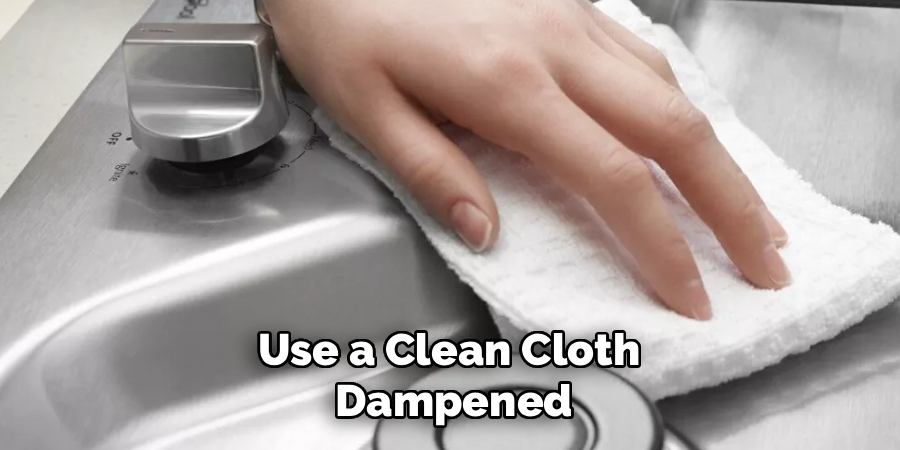
Once the stains are gone, rinse off all soap, baking soda, and vinegar. Use a clean cloth dampened with plain warm water. Leftover cleaning products can dry into streaks or dull the finish. Wipe every section you treated, again following the grain. A complete rinse sets you up for a spotless shine.
Step 8: Dry the Surface Completely
Drying is one of the most important steps. Take a fresh, dry microfiber cloth and wipe the steel until no moisture remains. Air-drying causes water spots, which means starting over. Move along the grain with light, even strokes. Dry steel resists new stains and looks much cleaner.
Step 9: Polish for Shine
To bring back that showroom glow, add a few drops of olive or mineral oil to a clean cloth. Rub it gently over the surface, following the grain. The oil fills tiny scratches and adds a protective layer. Use only a small amount, since too much leaves a greasy film. Buff with a dry cloth until it shines.
Step 10: Inspect and Touch Up
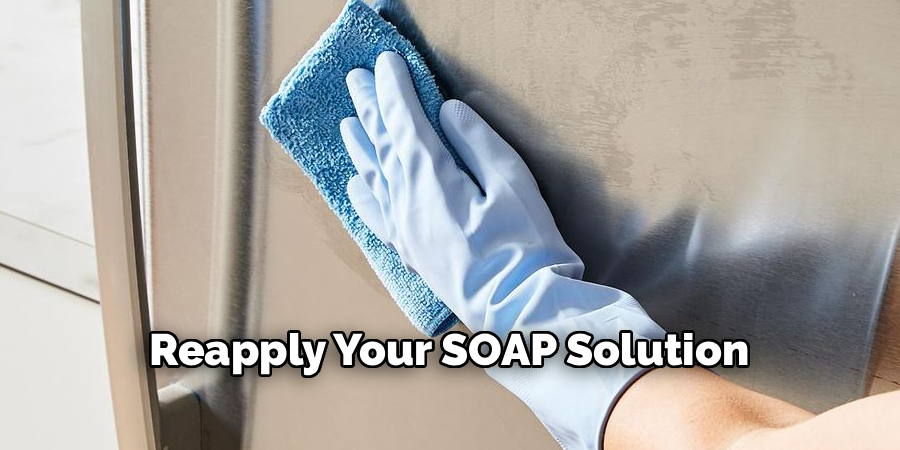
Step back and check your work in good light. Look for any missed spots, streaks, or dull areas. Reapply your soap solution or polish where needed. A final wipe along the grain catches anything you overlooked. Now your stainless steel should be clean, bright, and protected. That wraps up the full process. With a little practice, these steps will take just a few minutes each week.
By following these steps, you can easily maintain the cleanliness and shine of your stainless steel appliances. Remember to always use the right tools and products for the job, and to work with the grain of the metal.
5 Things You Should Avoid
Even good intentions can damage stainless steel. Steer clear of these common mistakes to keep your surfaces in top shape.
- Steel Wool and Abrasive Pads: These leave deep scratches and can cause rust to form. Always use soft cloths or sponges instead.
- Bleach and Chlorine Cleaners: Harsh chemicals corrode the protective layer and lead to permanent stains. Stick to mild soap and vinegar.
- Cleaning Against the Grain: Wiping the wrong way traps dirt and creates visible streaks. Follow the grain every time.
- Letting Water Air-dry: Standing water leaves mineral spots. Always dry the surface right after cleaning.
- Using Too Much Product: Excess soap, oil, or polish causes buildup and streaking. Less is almost always more.
Avoiding these habits protects your finish and saves you extra work down the road.
Frequently Asked Questions
1. Can I Use Glass Cleaner on Stainless Steel?
Glass cleaner can work for light fingerprints, but use it carefully. Many glass cleaners contain ammonia, which may dull the finish over time. If you choose to use it, spray it on a cloth first, not directly on the steel. Wipe along the grain and buff dry right away. For regular cleaning, mild soap and water remain the safer choice.
2. How Do I Remove Rust Spots From Stainless Steel?
Rust on stainless steel usually comes from contact with other metals or harsh cleaners. Make a paste with baking soda and water, then apply it to the rust spot. Let it sit for several minutes before gently scrubbing along the grain with a soft cloth. Rinse well and dry the area completely. For heavy rust, repeat the process or try a stainless-steel-specific cleaner.
3. How Often Should I Clean Stainless Steel?
It depends on use and location. Kitchen appliances and sinks benefit from a quick wipe every day to manage fingerprints and food splatter. A deeper clean once a week keeps stains from building up. High-traffic surfaces may need more attention, while decorative pieces need less. Regular light cleaning is easier than tackling stubborn stains later.
Conclusion
How to remove stains from stainless steel does not have to be a chore. With the right tools and a clear method, you can remove stains and restore that smooth, shiny finish in just minutes. The key is to work along the grain, use gentle products, and always dry the surface when you finish.
Remember the main takeaways: start with mild soap, treat tough spots with baking soda, and use vinegar for water marks. Avoid abrasive pads and harsh chemicals that scratch or corrode. A little polish at the end protects your steel and keeps it looking new.
Your next step is simple. Gather your supplies, pick one stained surface, and try the 10 steps today. Once you see the results, you will want to keep every piece of stainless steel in your home gleaming. Make light cleaning a weekly habit, and you will rarely face stubborn stains again.

About
Stuart Rich is a distinguished figure in the world of metalworking and fabrication, with a decade of expertise creating innovative and sustainable metal projects. His professional focus lies in merging traditional blacksmithing and machining with modern manufacturing techniques, fostering designs that are both practical and durable. As the author of Metalenify, Stuart Rich delves into the art and science of metallurgy and DIY metal creation, inspiring artisans, hobbyists, and industry professionals alike.
Education
RMIT University
(Melbourne, Australia)
Associate Degree in Engineering Technology (Mechanical / Manufacturing)
Focus on metallurgical properties, industry-driven projects, and practical metal craftsmanship. Gained hands-on experience with traditional machining and digital manufacturing tools, such as CAD, CNC software, and precision welding equipment.
Nottingham Trent University
(United Kingdom)
Bachelor’s in Product Design and Materials Engineering (Honors)
Specialized in product design with a heavy focus on blending creativity with metal production and fabrication techniques. Participated in real-world industry projects, collaborating with architectural and hardware manufacturing companies to optimize material efficiency.
Publications and Impact
In Metalenify, Stuart Rich shares his insights on structural metal design processes, material grades, and strategies for efficient shop production. His writing bridges the gap between raw artisan knowledge and modern industrial needs, making it a must-read for both budding DIY metalworkers and seasoned fabrication professionals.