A wobbly shelf can turn from a small annoyance into a real safety risk fast. If your shelves are sagging or tilting, the problem often comes down to one thing: damaged supports. Learning how to repair bent metal shelf brackets is a practical skill that saves you money, protects your belongings, and restores stability without a trip to the hardware store.
Metal brackets bend over time for plenty of reasons. Maybe you loaded too many heavy books, or perhaps something knocked into the shelf. The good news is that most bent brackets can be fixed at home with basic tools and a bit of patience.
This guide walks you through the whole process, step by step, in plain language. You don’t need to be a seasoned handyperson to follow along. Whether you’re tackling your first repair or you’ve fixed a few things around the house already, you’ll find clear, beginner-friendly instructions here. By the end, you’ll feel confident restoring your brackets to their original, sturdy shape.
Why Repairing Bent Metal Shelf Brackets Matters
A bent bracket isn’t just an eyesore. It weakens the entire shelf, which means anything sitting on top is at risk of crashing down. Fixing the problem quickly keeps your items safe and your space organized.
Repairing instead of replacing also saves you money and reduces waste. Brackets are often more durable than they look, and straightening one takes less time than shopping for a new set, removing the old hardware, and re-drilling holes. You get a strong, reliable shelf without the extra cost or hassle.
There’s also a confidence boost that comes with doing it yourself. Once you master this fix, you’ll spot small problems early and handle them before they grow. That kind of hands-on skill empowers you to maintain your home with less stress and fewer emergency repairs.
Step-by-Step Guide to How to Repair Bent Metal Shelf Brackets
Step 1: Clear the Shelf and Inspect the Damage
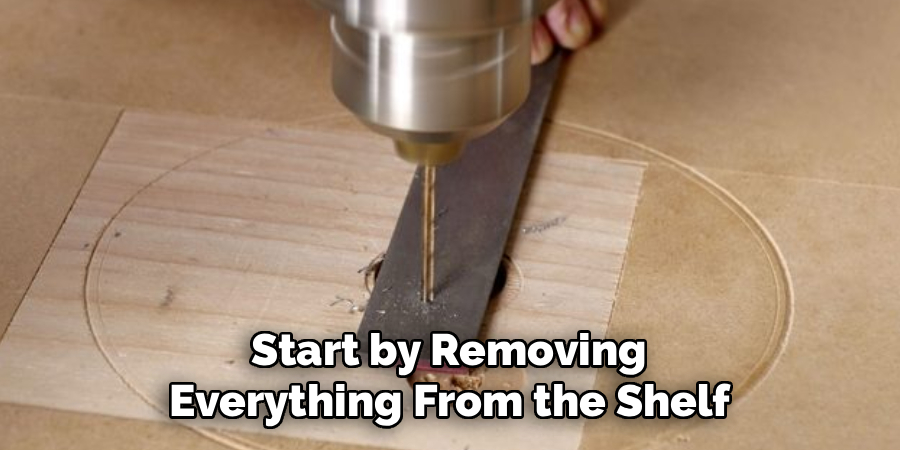
Start by removing everything from the shelf so you can work safely. Once it’s empty, take a close look at the bracket and figure out exactly where the bend is. Run your fingers along the metal to feel for kinks, dents, or stress points you might miss with your eyes alone.
Knowing how to repair bent metal shelf brackets begins with a clear diagnosis. Note whether the bend is slight or severe, and check if the metal has cracked. Cracks can’t be straightened safely, so spotting them now saves you from a risky fix later on.
Step 2: Gather the Right Tools
Before you start bending anything, collect your tools. You’ll want a rubber mallet, an adjustable wrench, a sturdy vise or clamp, work gloves, and safety glasses. A flat, solid surface like a workbench makes the job much easier and gives you the leverage you need.
Having everything within reach keeps the process smooth and prevents frustrating pauses. If you don’t own a vise, a heavy clamp attached to a stable table works in a pinch. Good preparation here means fewer mistakes and a cleaner result once you begin reshaping the metal.
Step 3: Remove the Bracket From the Wall
Unscrew the bracket carefully, keeping the screws in a small container so none roll away. Some brackets attach with bolts, so grab the correct screwdriver or wrench before you begin. Support the bracket with one hand as you loosen the last screw to stop it from dropping.
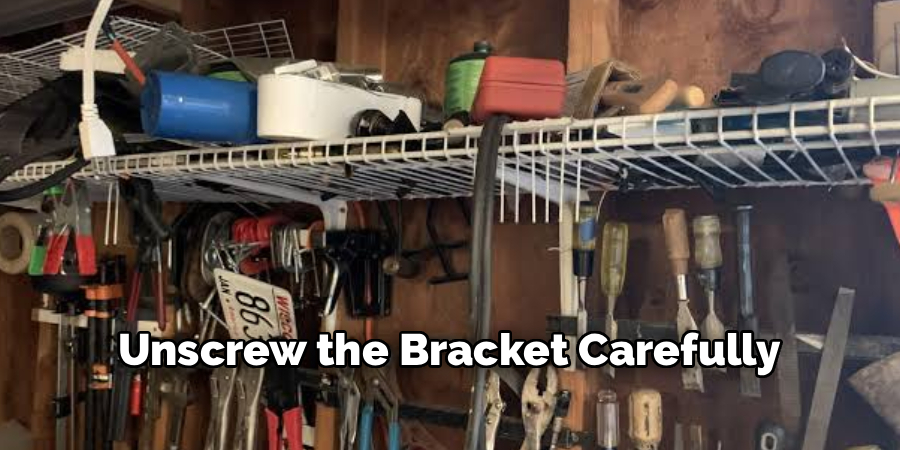
Working off the wall gives you full control and a steady angle. Trying to straighten a bracket while it’s still mounted often leads to uneven results or damage to the surrounding wall. Take your time, and label which bracket came from where if you’re fixing more than one.
Step 4: Secure the Bracket in a Vise
Place the bracket firmly in your vise or clamp, positioning it so the bent section sticks out and stays accessible. Tighten the vise enough to hold the metal steady, but not so hard that you crush or scratch the surface.
A secure grip is the secret to a clean, controlled repair. When the bracket can’t shift or slip, you can apply force precisely where it’s needed. This is the moment where understanding how to repair bent metal shelf brackets really pays off, because steady pressure on a stable base produces far better results than wrestling with a loose piece of metal.
Step 5: Gently Straighten the Metal
Use your rubber mallet to tap the bent area back into shape with light, controlled strikes. Work slowly and check your progress often. For stubborn bends, fit the adjustable wrench over the metal and apply steady, even pressure rather than one hard yank.
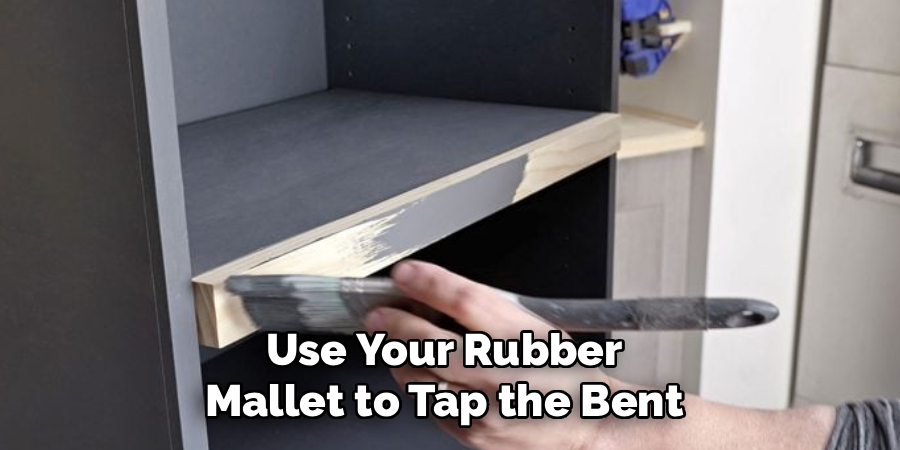
Patience matters here. Metal responds better to gradual coaxing than to forceful blows, which can crack or weaken it. Tap, check, and tap again until the bracket lines up with its original angle. If you’re fixing a right-angle bracket, use a square tool to confirm you’ve reached a true 90-degree corner.
Step 6: Reinforce and Test for Strength
Once the bracket looks straight, test its strength before putting it back. Press firmly on the bent area to see if it holds or springs back. If the metal feels weak, you can reinforce it with a metal repair plate or a second bracket mounted alongside it for extra support.
This step protects you from repeating the repair down the road. A bracket that bent once may bend again under the same load, so reinforcing now adds peace of mind. Give it a good wiggle and a push to confirm it can handle the weight you plan to place on the shelf.
Step 7: Reinstall and Load Gradually
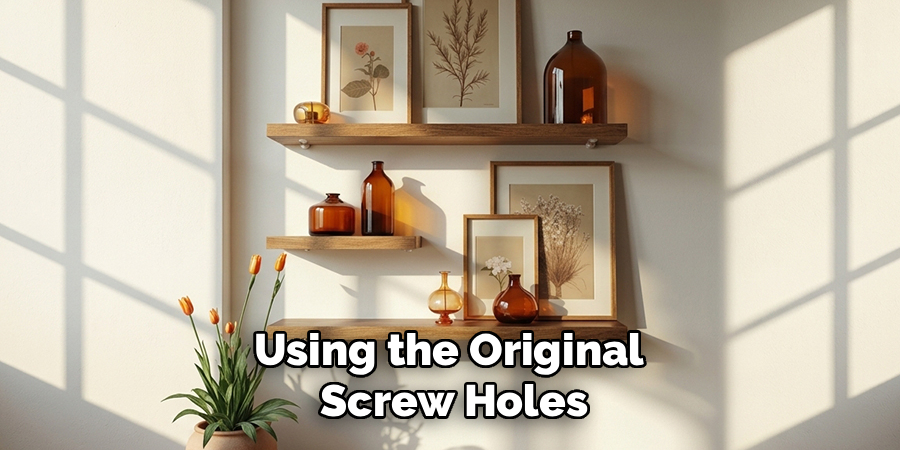
Mount the bracket back onto the wall using the original screw holes, or drill fresh holes if the old ones are worn. Make sure it sits level by using a small bubble level before tightening everything fully. Secure each screw snugly so the bracket stays firmly in place.
Once it’s mounted, add weight slowly rather than all at once. Start with lighter items and watch how the bracket holds. Loading gradually lets you catch any remaining weakness before it becomes a problem, and it gives your freshly repaired shelf the best chance at a long, sturdy life.
Frequently Asked Questions
Can I Fix a Bent Bracket Without Removing It From the Wall?
You can attempt minor straightening while a bracket stays mounted, but it’s not ideal. Working on the wall limits your angle and leverage, which often leads to uneven results. You also risk damaging the wall surface or the screw anchors. For the cleanest, safest fix, removing the bracket and securing it in a vise gives you far better control and a stronger final result.
What Tools Do I Really Need for This Repair?
For most repairs, you’ll need a rubber mallet, an adjustable wrench, a vise or sturdy clamp, work gloves, and safety glasses. A bubble level helps with reinstallation, and a square tool confirms right-angle corners. You don’t need expensive or specialized equipment. Basic hand tools, a stable work surface, and a little patience are usually enough to bring a bent bracket back to its proper shape.
When Should I Replace a Bracket Instead of Repairing It?
Replace a bracket if you spot cracks, rust that has eaten through the metal, or repeated bending in the same spot. These signs mean the metal has lost its structural strength and can’t be trusted with weight. Straightening a cracked bracket may hold briefly, but it’s likely to fail again. When safety is in question, a new bracket is always the smarter choice.
How Do I Stop My Brackets From Bending Again?
Avoid overloading your shelves by checking the weight rating of your brackets and spreading heavy items evenly. Adding an extra bracket in the middle of a long shelf gives more support. Mounting brackets into wall studs rather than drywall alone also makes a big difference. With these habits, your shelves stay stable and your brackets last much longer.
Is It Safe to Heat the Metal to Straighten It?
Heating metal can make it easier to bend, but it’s risky for beginners. Too much heat weakens the metal’s structure and can cause it to warp or crack later. For most household brackets, a rubber mallet and steady pressure work perfectly without heat. Unless you have experience with metalworking, stick to cold straightening methods to keep your repair safe and reliable.
Conclusion
Restoring a damaged shelf doesn’t have to be complicated or costly. By clearing the shelf, gathering the right tools, removing the bracket, and straightening it with patience, you can bring even a badly bent piece back to life. The key takeaways are simple: work on a stable surface, apply gentle pressure, reinforce weak spots, and load your shelf gradually once it’s reinstalled.
Now that you know how to repair bent metal shelf brackets, you have a practical skill that protects your belongings and saves you money. Don’t let a wobbly shelf wait until it fails. Grab your tools, follow these steps, and enjoy the confidence that comes with a sturdy, well-fixed shelf. Your next repair is well within reach.

About
Stuart Rich is a distinguished figure in the world of metalworking and fabrication, with a decade of expertise creating innovative and sustainable metal projects. His professional focus lies in merging traditional blacksmithing and machining with modern manufacturing techniques, fostering designs that are both practical and durable. As the author of Metalenify, Stuart Rich delves into the art and science of metallurgy and DIY metal creation, inspiring artisans, hobbyists, and industry professionals alike.
Education
RMIT University
(Melbourne, Australia)
Associate Degree in Engineering Technology (Mechanical / Manufacturing)
Focus on metallurgical properties, industry-driven projects, and practical metal craftsmanship. Gained hands-on experience with traditional machining and digital manufacturing tools, such as CAD, CNC software, and precision welding equipment.
Nottingham Trent University
(United Kingdom)
Bachelor’s in Product Design and Materials Engineering (Honors)
Specialized in product design with a heavy focus on blending creativity with metal production and fabrication techniques. Participated in real-world industry projects, collaborating with architectural and hardware manufacturing companies to optimize material efficiency.
Publications and Impact
In Metalenify, Stuart Rich shares his insights on structural metal design processes, material grades, and strategies for efficient shop production. His writing bridges the gap between raw artisan knowledge and modern industrial needs, making it a must-read for both budding DIY metalworkers and seasoned fabrication professionals.