You found a mystery item at a yard sale, inherited an old set of utensils, or spotted a shiny pendant in a drawer, and now you are wondering what it really is. Figuring out how to tell if metal is silver can save you money, prevent a bad purchase, and even reveal a hidden treasure sitting in your home. Many metals look similar at first glance, so a little knowledge goes a long way.
This guide breaks the whole process into simple, friendly steps that anyone can follow, no matter your experience level. You will learn what clues to look for, which quick tests work at home, and when to call in an expert. We will also answer the most common questions people ask along the way. By the end, you will feel confident telling genuine silver apart from plated pieces, look-alikes, and clever fakes. So grab your mystery item, and let us turn you into a sharp-eyed silver spotter today.
Why Telling If Metal Is Silver Matters
Knowing whether a piece is real silver protects both your wallet and your peace of mind. Silver carries real value, so confusing it with plated or cheap alloys could cost you when buying, selling, or insuring an item. A confident identification helps you price things fairly and avoid overpaying for fakes.
There is a practical side too. Real silver needs different care than coated metals, so correct identification keeps your pieces shining and undamaged. It also helps you spot family heirlooms worth preserving. Whether you are a curious collector, a thrifty shopper, or someone clearing out an estate, this skill empowers you to make smart, informed choices. Best of all, most tests use simple tools you already own at home.
Step-by-Step Guide To How to Tell if Metal is Silver
Step 1: Look For Hallmarks And Stamps
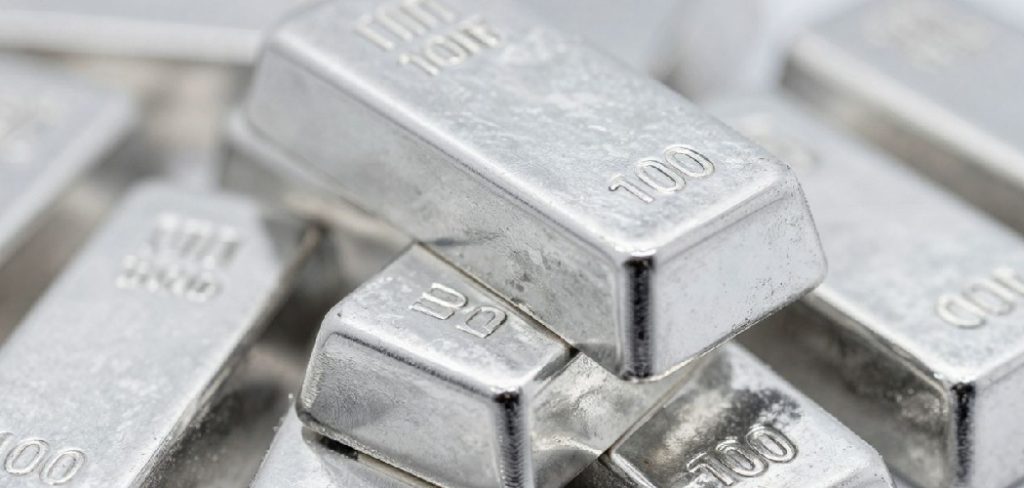
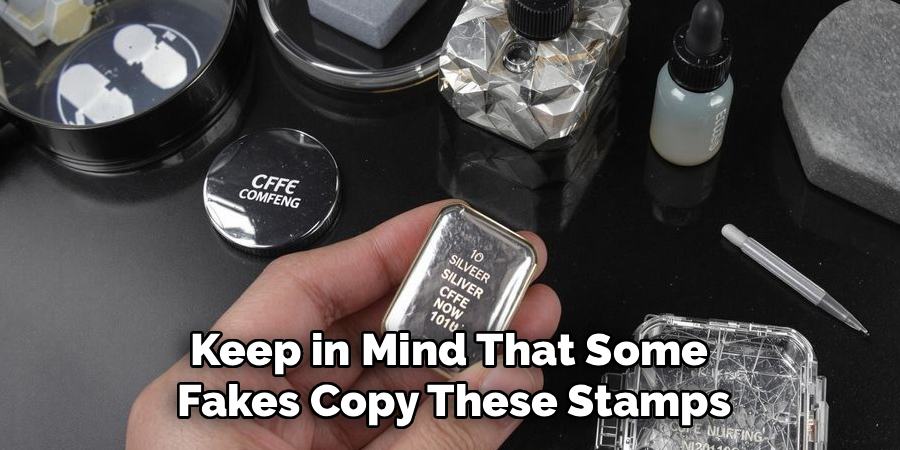
Start with the easiest clue of all, the markings hidden on the surface. Genuine silver items often carry tiny stamps that reveal their purity. Look closely on the back, base, or inner edge for numbers like “925,” “800,” or words such as “sterling” or “fine silver.” A magnifying glass helps here, since these marks can be small and worn.
These stamps act like a maker’s signature of quality. The “925” mark, for example, means the piece is 92.5 percent pure silver. Keep in mind that some fakes copy these stamps, so treat hallmarks as a strong first hint rather than absolute proof on their own.
Step 2: Test It With A Magnet
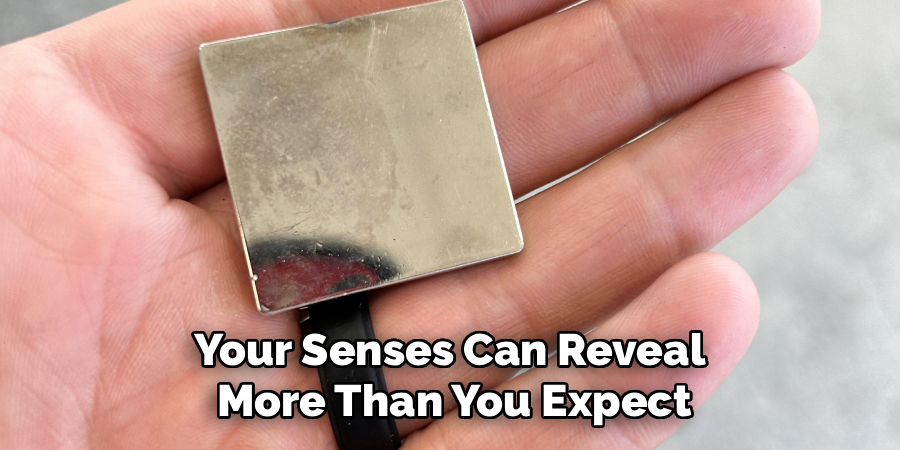
This quick check costs nothing and takes seconds. Silver is not magnetic, so a strong magnet should not stick or pull toward a genuine piece. Grab a refrigerator magnet, or better yet a stronger neodymium magnet, and hold it close to your item. If the metal jumps to the magnet or feels a noticeable tug, it is likely made of another material.
Knowing how to tell if metal is silver often begins with this simple test, because it rules out many common fakes fast. Remember, though, that a few non-silver metals are also non-magnetic, so passing this test alone does not confirm real silver.
Step 3: Examine The Color And Shine
Real silver has a soft, warm glow rather than a harsh, mirror-bright flash. Hold your item under natural light and study its tone carefully. Genuine silver shows a slightly grayish-white color with a gentle luster, while many imitations look overly white, yellowish, or unnaturally shiny.
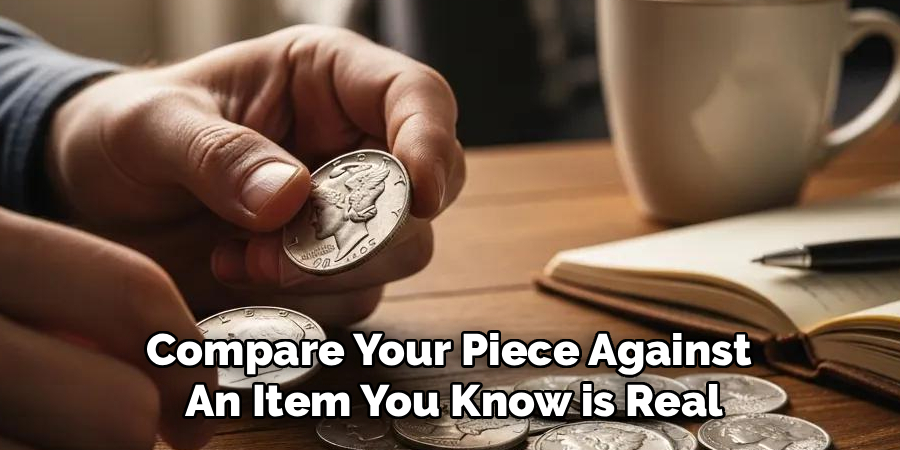
Compare your piece against an item you know is real, if you can. Aging matters too, since silver develops a dark tarnish over time, especially in crevices and corners. This natural patina is actually a helpful sign, because most fakes and stainless steel do not tarnish the same way. Trust your eyes, and look for that signature mellow finish.
Step 4: Try The Ice Cube Test
Here is a fun trick that uses simple science. Silver is one of the best conductors of heat among common metals, which means it melts ice surprisingly fast. Place an ice cube directly on your item and watch what happens. If the cube starts melting quickly, almost as if the metal is warm, that rapid heat transfer points toward genuine silver.
For a clearer result, set a second ice cube on a different metal surface and compare the melting speed side by side. The silver piece should win the race noticeably. This safe, mess-free test works well for flat items like coins, bars, and trays.
Step 5: Perform The Smell And Sound Check
Your senses can reveal more than you expect. Real silver has no scent, so if your item gives off a strong metallic or sulfur-like odor, it probably contains other metals. Give it a gentle sniff after handling, and trust a clean, neutral smell as a good sign.
Sound offers another clue. When you gently tap genuine silver with a coin or another piece of metal, it produces a clear, ringing chime that lingers in the air. Fakes and plated items tend to make a dull, flat thud instead. Knowing how to tell if metal is silver gets easier when you combine these sensory checks with your other findings.
Step 6: Use A Soft Cloth Polish Test
This gentle method reveals what lies beneath the surface. Take a clean, soft white cloth and rub the item firmly for a few moments. Genuine silver oxidizes, so it will often leave a faint black or gray mark on the cloth as a thin layer of tarnish transfers over.
If your cloth stays completely clean, the piece may be coated, stainless steel, or another metal entirely. This test works beautifully alongside the others, since it confirms that real silver is reacting the way it should. Be gentle and avoid abrasive cloths, because you want to test the metal without scratching or damaging a potentially valuable item.
Step 7: Get A Professional Acid Or XRF Test
When you want certainty, turn to the experts. Jewelers and appraisers use silver acid testing kits and advanced XRF analyzers that read the exact metal content without harming your piece. An acid test involves a tiny scratch and a drop of solution that changes color based on purity, while XRF scanning is completely non-destructive.
This step is ideal for valuable, sentimental, or expensive items where guessing is not enough. Many local jewelers offer quick testing for a small fee or even for free. After running your home checks, a professional confirmation gives you reliable, final answers and the confidence to buy, sell, or insure.
Frequently Asked Questions
What Does The “925” Stamp Actually Mean?
The “925” stamp indicates sterling silver, meaning the item is 92.5 percent pure silver mixed with 7.5 percent other metals, usually copper, for added strength. Pure silver is too soft for everyday use, so this blend keeps pieces durable while staying genuinely valuable. You will commonly find this mark on jewelry, flatware, and decorative items, and it remains one of the most trusted purity indicators worldwide.
Can The Magnet Test Alone Prove An Item Is Real Silver?
No, the magnet test should never stand alone. While real silver is not magnetic, several other metals like aluminum, copper, and brass are also non-magnetic. So passing the magnet test only rules out magnetic fakes, not every imitation. Think of it as a helpful first filter rather than final proof. Always combine it with color checks, the ice test, and a polish test for a more reliable conclusion.
Will These Home Tests Damage My Item?
Most home tests are gentle and completely safe when done carefully. The magnet, ice, smell, sound, and cloth tests leave no marks at all. Only the professional acid test involves a tiny scratch, which is why experts handle it discreetly on a hidden spot. For valuable or sentimental pieces, stick to the non-destructive methods at home, then visit a jeweler for harmless XRF scanning if you need certainty.
Why Does My Silver Item Turn Black Over Time?
That dark coating is tarnish, a natural reaction between silver and sulfur compounds in the air. Far from being a flaw, tarnish is actually reassuring, because genuine silver naturally darkens while many fakes and stainless steel do not. You can gently polish it away with a soft cloth or a proper silver cleaner. Storing pieces in airtight bags slows the process and keeps your silver looking bright longer.
Is Silver-Plated The Same As Solid Silver?
Not at all, and the difference matters greatly for value. Silver-plated items have only a thin layer of silver bonded over a cheaper base metal like copper or nickel. Solid silver, by contrast, is genuine throughout. Plating can wear away over time, revealing the metal beneath, while solid silver keeps its value. Hallmarks, weight, and professional testing help you tell these two apart with confidence.
Conclusion
Spotting genuine silver does not require fancy equipment or years of experience, just a little patience and the right approach. By checking for hallmarks, running the magnet and ice tests, studying the color, and trying the cloth polish, you can build a strong case before ever leaving your home. When the stakes are high, a quick professional acid or XRF test gives you the final word with total confidence.
Now that you understand how to tell if metal is silver, you are ready to examine your own pieces like a pro. Take your time, combine several tests for the most reliable results, and trust what the evidence shows you. So grab that mystery item, put these friendly tips to work, and enjoy the satisfying moment of discovery. Your next hidden treasure might be closer than you think.

About
Stuart Rich is a distinguished figure in the world of metalworking and fabrication, with a decade of expertise creating innovative and sustainable metal projects. His professional focus lies in merging traditional blacksmithing and machining with modern manufacturing techniques, fostering designs that are both practical and durable. As the author of Metalenify, Stuart Rich delves into the art and science of metallurgy and DIY metal creation, inspiring artisans, hobbyists, and industry professionals alike.
Education
RMIT University
(Melbourne, Australia)
Associate Degree in Engineering Technology (Mechanical / Manufacturing)
Focus on metallurgical properties, industry-driven projects, and practical metal craftsmanship. Gained hands-on experience with traditional machining and digital manufacturing tools, such as CAD, CNC software, and precision welding equipment.
Nottingham Trent University
(United Kingdom)
Bachelor’s in Product Design and Materials Engineering (Honors)
Specialized in product design with a heavy focus on blending creativity with metal production and fabrication techniques. Participated in real-world industry projects, collaborating with architectural and hardware manufacturing companies to optimize material efficiency.
Publications and Impact
In Metalenify, Stuart Rich shares his insights on structural metal design processes, material grades, and strategies for efficient shop production. His writing bridges the gap between raw artisan knowledge and modern industrial needs, making it a must-read for both budding DIY metalworkers and seasoned fabrication professionals.