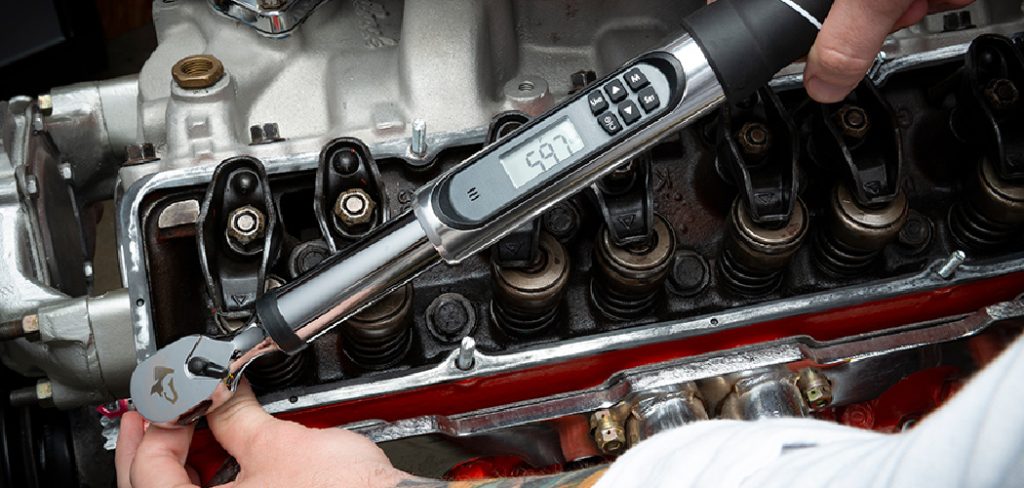
To use a torque wrench, set your target torque value on the handle, place the wrench on the fastener, and pull smoothly until you hear a click or feel resistance. That click means you’ve hit the right tightness. Work slowly, keep your motion steady, and reset the wrench to its lowest setting once you’re done.
Few tools command as much quiet respect among mechanics and weekend tinkerers as the torque wrench. At a glance, it looks like a plain ratchet. The difference? It tells you precisely how tight a bolt is. That kind of accuracy matters far more than most beginners expect, particularly on engines, bikes, and anything that rattles and shifts while it runs.
Tightening wheel lug nuts is one thing. Assembling machinery is another. But the principle holds across both jobs: too much force or too little can do real damage. This guide on how to use a torque wrench walks through what you actually need to know—starting with the basics of torque, then moving into a six-step process you can follow on your first try. By the time you finish reading, reaching for this tool should feel a lot less intimidating.
Understanding Torque Basics
Torque measures the rotational force applied to an object, like a bolt or a nut. Put plainly, it’s how hard you’re twisting a fastener. Twist too little and the bolt may work itself loose over time. Twist too hard, and you could strip the threads, crack a part, or snap the bolt clean off.
You’ll usually see torque measured in foot-pounds (ft-lbs) or newton-meters (Nm). Manufacturers tend to list a recommended torque value for each fastener somewhere in their service manual. A torque wrench helps you land on that exact figure rather than guessing. So instead of trusting your gut—which appears to fail most of us at the worst possible moment—you get a result you can repeat reliably.
6 Simple Step-by-Step Guidelines on How to Use a Torque Wrench
Once you grasp the process, using a torque wrench becomes almost routine. These six steps on how to use a torque wrench should give you accurate, safe results.
Step 1: Find the Correct Torque Specification
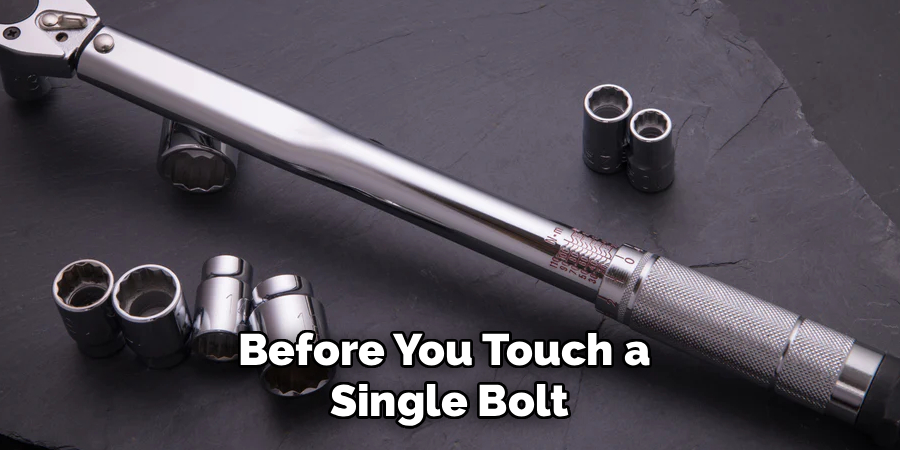
Before you touch a single bolt, look up the recommended torque value for your fastener. That number usually lives in the service manual for your vehicle or equipment, and occasionally it’s printed on a sticker near the part itself. Don’t guess here. The right specification is what the whole job rests on.
Torque values shift a lot depending on bolt size, material, and what the fastener does. A wheel lug nut might call for 80 to 100 ft-lbs. A small engine component could need far less. Jot down your target value so you aren’t trying to recall it mid-task—memory has a way of slipping when your hands are busy. Having the figure ready saves time and heads off the kind of mistake that costs real money later.
Step 2: Set the Torque Wrench
Now that you know your target, set the wrench. On a click-type, unlock the handle and rotate it until the markings line up with your desired torque. Most handles carry a main scale plus a smaller fine-adjustment scale, so read both carefully and don’t rush it.
Check the setting twice before you start. Misread the number and you’ll over- or under-tighten, which rather defeats the point of using the tool at all. Once you’ve confirmed the value, lock the handle so it can’t drift while you work. Got a digital wrench? Just punch in the value with the buttons and wait for the confirmation beep.
Step 3: Position the Wrench on the Fastener
Fit the correct socket to the wrench, then seat it squarely on the bolt or nut. The socket should sit snug and straight—no wobble, no angle. A poorly seated socket can slip off, round the fastener, or skew your reading.
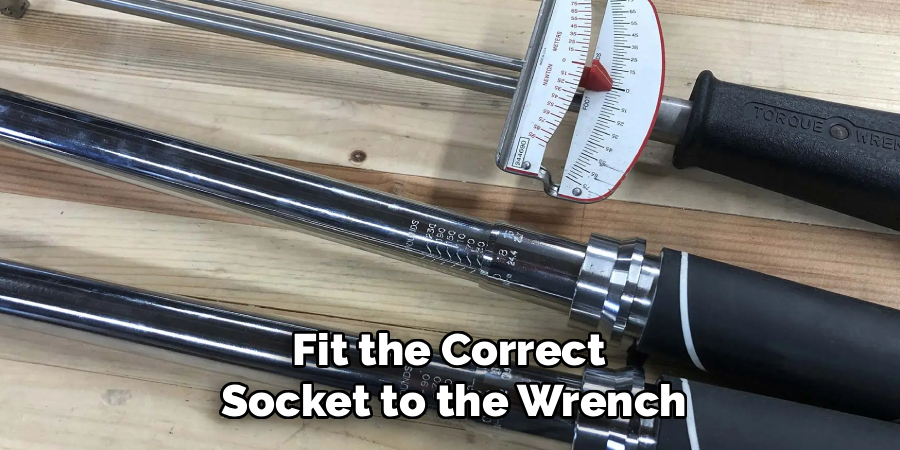
Hold the wrench by the handle. Not the head, not the neck. Gripping it anywhere else changes the leverage and gives you a false result. Set your body up so you can pull in a smooth, controlled line. Getting your position right here makes the actual tightening easier and a good deal safer.
Step 4: Apply Force Slowly and Steadily
Here’s the part that counts. Pull the wrench in a slow, even motion—no jerking, no yanking. A sudden movement can blow past your target value and harm the fastener. Keep the pull smooth and your pace the same from start to finish.
Apply force in the tightening direction, which is clockwise in nearly every case. As you pull, stay alert and listen. The wrench is built to signal to you the instant you reach the correct torque, so there’s no reason to hurry it along. A little patience here protects your parts and the tool itself.
Step 5: Stop at the Click or Signal
When a click-type wrench hits the set value, it gives off a distinct “click” you’ll both hear and feel. Stop pulling the moment it happens. Push past the click and you’re adding extra force, over-tightening the fastener, which can do real harm.
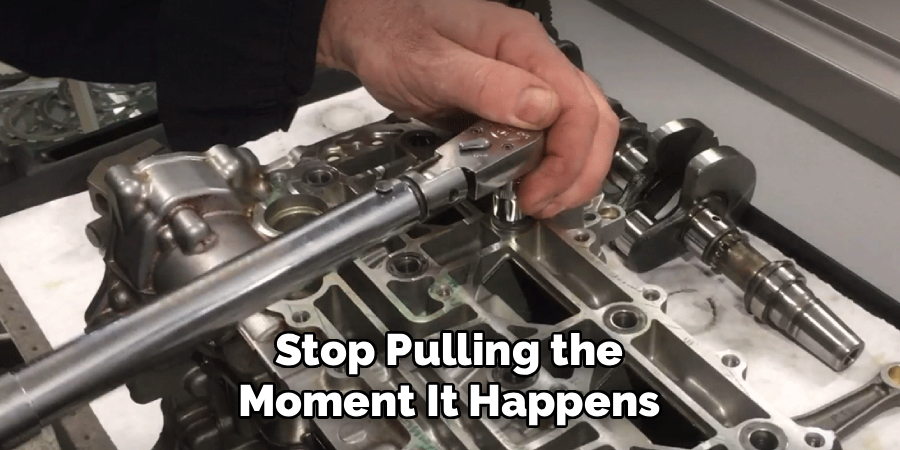
Digital and dial wrenches signal in their own ways—a beep, a light, a number on the gauge. Whichever you own, learn its cue and react right away. That temptation to give it “one more pull” for good measure? Ignore it. The entire purpose of a torque wrench is to stop at exactly the right amount, so let the tool do what it was made to do.
Step 6: Reset and Store the Wrench
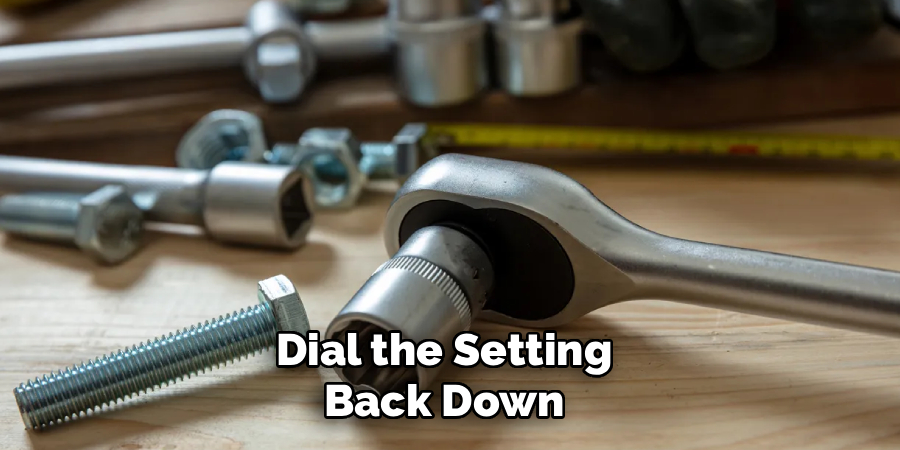
You’re not quite finished once the bolt is tight. With a click-type wrench, dial the setting back down to its lowest value before you put it away. Leave it under tension and the internal spring weakens over time, which slowly erodes its accuracy.
Wipe the wrench clean of grease and grit, then tuck it into its protective case. Store it somewhere dry, away from temperature extremes. This kind of care extends the tool’s life and keeps it accurate for years. A few seconds of attention now spares you money and headaches later.
Calibration and Maintenance
A torque wrench is only worth having if it reads accurately. With regular use, those readings can drift, which is why calibration matters. Most manufacturers suggest calibrating once a year or after every 5,000 uses—whichever comes first.
You can send the wrench off to a professional calibration service, or test it against a known weight if you’re comfortable with the method. After calibration, keep the tool clean and dry. Wipe off grease after each job, and never leave it somewhere damp where rust can take hold. Look after the wrench and it’ll keep delivering precise results, job after job.
Safety Tips
Fasteners involve genuine force, so safety has to come first. Keep these in mind every single time:
- Wear safety glasses to guard your eyes against flying debris or a slipping tool.
- Confirm the socket is fully seated before you apply any force.
- Pull toward yourself where you can, and keep a stable stance.
- Skip the cheater bar or extension for extra leverage—it damages the wrench and wrecks its accuracy.
- Keep your work area clean and well-lit so you don’t slip or fumble.
Build these habits and you protect yourself along with your equipment.
Troubleshooting Issues
Now and then, a torque wrench acts up. If your click-type isn’t clicking, it may be set too low, or it could be due for calibration. A wrench that feels loose or rattles might have worn internal parts, which usually means a trip to a professional. Are fasteners stripping despite the correct setting? Double-check your torque specification and confirm the wrench is calibrated. Readings that keep shifting often point to a calibration fault or a sloppy grip. When you’re unsure, stop using the tool and have it looked at. A faulty torque wrench is arguably worse than no torque wrench at all—it hands you false confidence in results you can’t actually trust.
Frequently Asked Questions
Can You Use a Torque Wrench to Loosen Bolts?
No—you shouldn’t use a torque wrench to loosen bolts. These are calibrated tools built solely for tightening fasteners to a precise value. Pressing one into service to crack loose a stuck bolt can damage the internal mechanism and wreck its accuracy. Reach for a standard breaker bar or ratchet to loosen fasteners instead, then bring out your torque wrench only for the final tightening.
How Often Should a Torque Wrench Be Calibrated?
Most manufacturers recommend calibrating a torque wrench once a year or after roughly 5,000 uses, whichever comes first. Heavy use or critical jobs may call for more frequent checks. If you ever drop the wrench, test it right away, since the impact can throw off its accuracy. Routine calibration keeps your readings dependable and your work safe.
What Happens If You Over-Tighten With a Torque Wrench?
Over-tightening can create serious trouble, even with a torque wrench in hand. Pulling past the click applies more force than you intended, which may strip threads, deform parts, or snap the bolt outright. On critical components that could lead to dangerous failures somewhere down the line. The fix is simple: stop the instant the wrench signals it has reached the set value.
Putting Your Torque Wrench to Work
A torque wrench strips the guesswork out of tightening and hands you precise, repeatable results. Once the basics click into place—finding the right spec, setting the wrench, pulling smoothly until you hear that signal—the whole process starts to feel like second nature. Add proper calibration, careful storage, and a handful of safety habits, and the tool should serve you well for years.
So the next time a project demands accuracy, you’ll know exactly how to handle it. Pull out your service manual, dial in your value, and tighten with confidence. For more hands-on guides and practical tool tips, keep browsing our resources and grow your DIY skills one project at a time. Thanks for reading this guide on how to use a torque wrench.

About
Stuart Rich is a distinguished figure in the world of metalworking and fabrication, with a decade of expertise creating innovative and sustainable metal projects. His professional focus lies in merging traditional blacksmithing and machining with modern manufacturing techniques, fostering designs that are both practical and durable. As the author of Metalenify, Stuart Rich delves into the art and science of metallurgy and DIY metal creation, inspiring artisans, hobbyists, and industry professionals alike.
Education
RMIT University
(Melbourne, Australia)
Associate Degree in Engineering Technology (Mechanical / Manufacturing)
Focus on metallurgical properties, industry-driven projects, and practical metal craftsmanship. Gained hands-on experience with traditional machining and digital manufacturing tools, such as CAD, CNC software, and precision welding equipment.
Nottingham Trent University
(United Kingdom)
Bachelor’s in Product Design and Materials Engineering (Honors)
Specialized in product design with a heavy focus on blending creativity with metal production and fabrication techniques. Participated in real-world industry projects, collaborating with architectural and hardware manufacturing companies to optimize material efficiency.
Publications and Impact
In Metalenify, Stuart Rich shares his insights on structural metal design processes, material grades, and strategies for efficient shop production. His writing bridges the gap between raw artisan knowledge and modern industrial needs, making it a must-read for both budding DIY metalworkers and seasoned fabrication professionals.