Sticky labels have a way of clinging to metal surfaces long after you want them gone. Whether it is a price tag on a stainless steel pan, a barcode on a tool, or a sticker on a metal water bottle, that gummy residue can feel impossible to shift. The good news is that learning how to remove adhesive labels from metal is far easier than you might think, and you do not need fancy products to do it well.
In this friendly, beginner-friendly guide, we will walk you through simple, proven methods that protect your metal while lifting away both the label and the sticky goo it leaves behind. You will discover everyday household items that work like magic, plus a few expert tricks that make the job faster and cleaner. From heat to oils to gentle scraping, each approach suits different surfaces and label types. By the end, you will feel confident tackling any stubborn sticker, leaving your metal smooth, shiny, and residue-free.
Why Removing Adhesive Labels From Metal Matters
Leaving old labels on metal does more than look messy. The adhesive attracts dust and dirt, creating grimy patches that are hard to clean later. On cookware or food containers, that buildup can even become a hygiene concern, trapping bacteria where you least want it.
There are practical benefits too. A clean metal surface looks polished and professional, whether you are reselling an item, gifting it, or simply tidying your home. Removing labels properly also prevents scratches that happen when people pick at stickers with knives or sharp tools. By choosing the right method, you protect the finish, preserve the value of your belongings, and save yourself frustration. A little care now keeps your metal items looking their best for years to come.
Step-by-Step Guide To How to Remove Adhesive Labels From Metal
Step 1: Gather Your Supplies
Before you begin, collect everything you need so the process runs smoothly from start to finish. You will want warm soapy water, a soft cloth, a plastic scraper or old credit card, cooking oil, white vinegar, and rubbing alcohol. A hairdryer is handy too, since gentle heat softens stubborn glue beautifully.
Lay your items out on a clean, flat surface where you have room to work. Having the right tools within reach saves time and keeps you from scrambling halfway through. Knowing how to remove adhesive labels from metal starts with simple preparation, because the correct supplies make every later step quicker, safer, and far more effective for any surface.
Step 2: Peel Off As Much As You Can
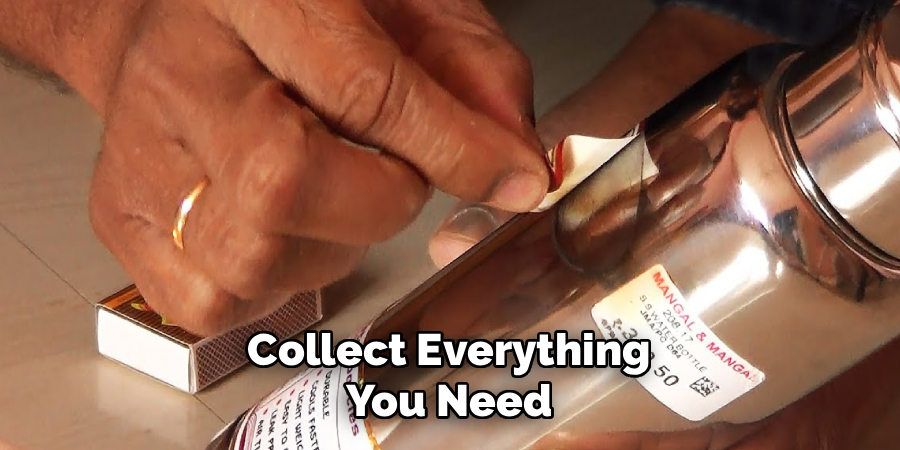
Start with the easiest part by lifting away the label itself. Use your fingernail or the edge of a plastic scraper to find a corner, then pull slowly and steadily at a low angle. Peeling gently rather than yanking helps the paper come away in larger pieces instead of shredding.
If the label tears, do not worry, since the remaining bits will lift more easily once you treat them. Avoid metal blades here, as they can scratch the surface and leave permanent marks. Take your time with this stage, because removing the bulk of the label first makes the rest of the cleanup much simpler and faster.
Step 3: Apply Heat To Soften The Glue
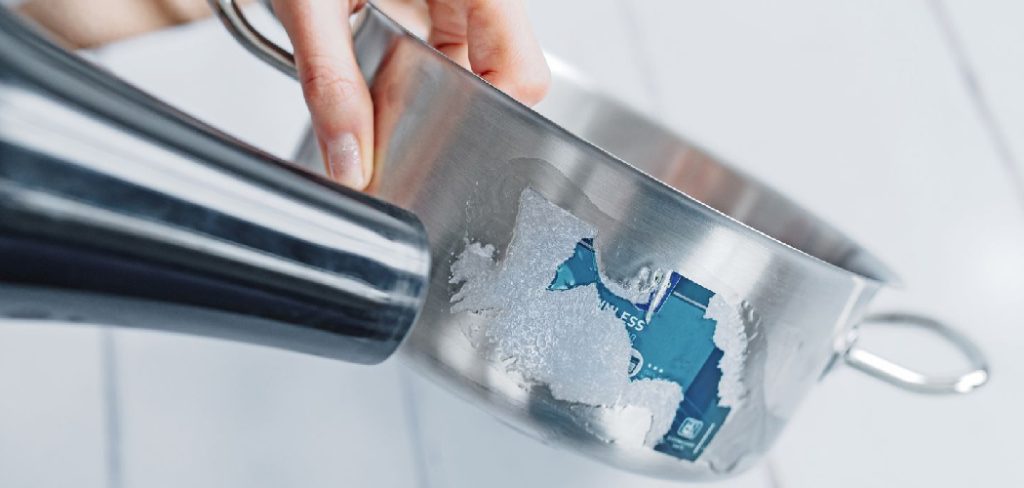
Heat is one of the most effective tricks for loosening stubborn adhesive. Aim a hairdryer at the label from a few inches away, moving it back and forth for thirty to sixty seconds. The warmth softens the glue, making it pliable and far easier to peel or wipe off.
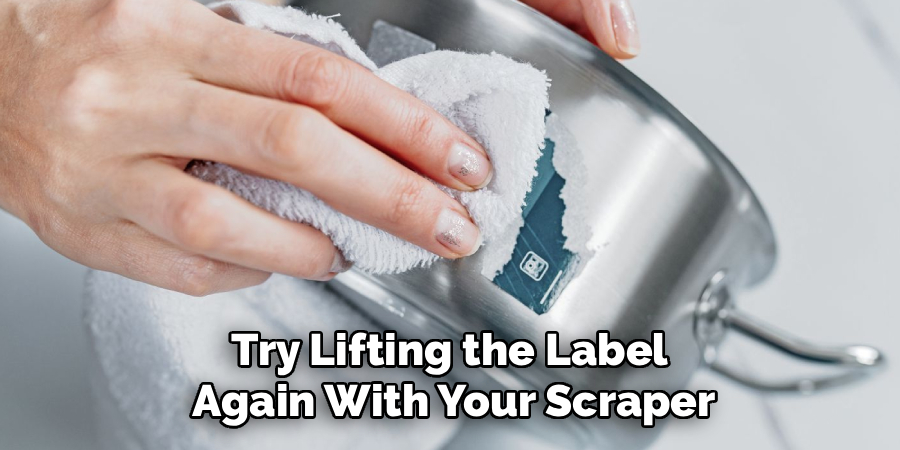
Once the area feels warm to the touch, try lifting the label again with your scraper. You will notice it releases with much less resistance. Be careful not to overheat the metal, especially on thin items, since they can become hot quickly. This gentle, low-cost method works wonders and protects your surface from scratches or harsh chemicals.
Step 4: Loosen Residue With Oil
When sticky residue lingers, a little oil does an amazing job. Dab cooking oil, olive oil, or even peanut butter onto the gummy patch, then let it sit for ten to fifteen minutes. The oil seeps into the adhesive, breaking its grip on the metal so it wipes away with ease.
After waiting, rub the area gently with a soft cloth in small circles. You will see the residue ball up and lift right off. This approach is wonderfully gentle and safe for most finishes, including stainless steel and aluminum. For best results when removing adhesive labels from metal, repeat the oil treatment on any spots that prove especially stubborn.
Step 5: Try Vinegar Or Rubbing Alcohol
For tougher glue that oil cannot fully tackle, reach for white vinegar or rubbing alcohol. Soak a cloth or paper towel in your chosen liquid, then press it firmly against the residue for several minutes. Both work as natural solvents, dissolving the adhesive without damaging most metal surfaces.
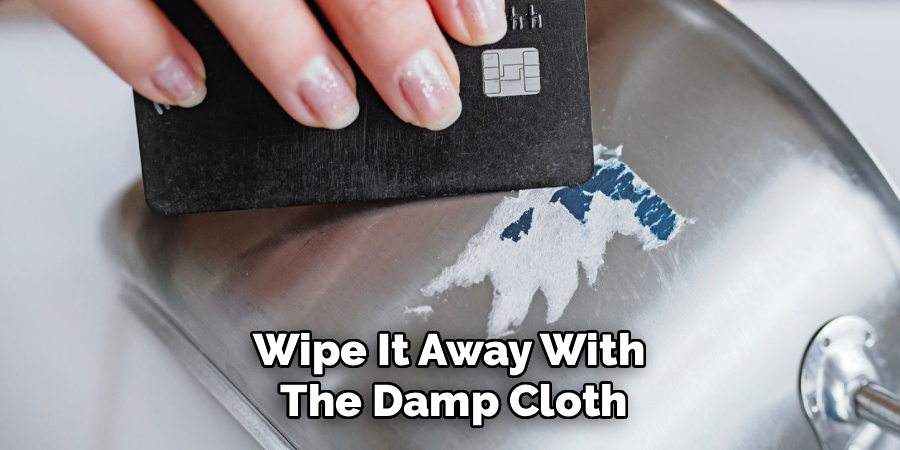
Once the residue softens, wipe it away with the damp cloth, applying gentle pressure as needed. Vinegar suits everyday items, while rubbing alcohol cuts through stronger industrial adhesives quickly. Always test a small, hidden spot first if you are unsure how your metal will react. These affordable household solvents handle the majority of sticky messes with very little effort on your part.
Step 6: Scrape Away Stubborn Spots Gently
Some adhesives hold on tighter than others, and that is where careful scraping comes in. Use a plastic scraper, an old credit card, or even a rubber eraser to coax away the last clingy bits. Hold your tool at a low angle and push gently, letting the edge do the work rather than forcing it.
Avoid steel wool or metal blades, which can scratch and dull the finish you are trying to protect. If the residue resists, reapply a bit of oil or alcohol, wait a moment, and try again. Patience pays off here, since slow, steady scraping clears even the most stubborn glue without leaving any marks behind.
Step 7: Wash And Polish The Surface
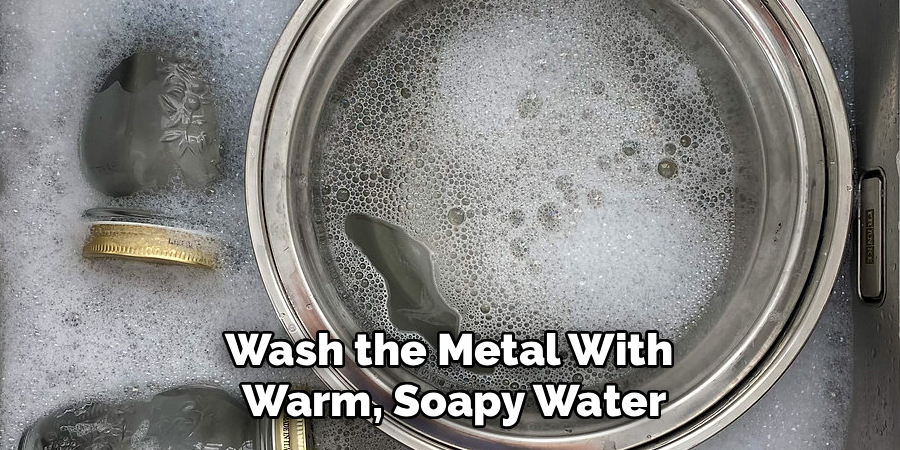
With the label and residue gone, finish strong by cleaning the whole area. Wash the metal with warm, soapy water to remove any lingering oil, vinegar, or alcohol, then rinse thoroughly. This step clears away every trace of your cleaning agents and leaves the surface fresh.
Dry the metal completely with a soft, lint-free cloth to prevent water spots or streaks. For an extra shine, buff stainless steel or chrome with a dry microfiber cloth, following the grain of the metal. Standing back to admire a clean, smooth surface feels deeply satisfying, and your item now looks polished, professional, and ready to use or display.
Frequently Asked Questions
What Is the Easiest Way to Remove a Sticky Label?
The simplest method combines heat and oil. Warm the label with a hairdryer for about a minute to soften the glue, then peel away as much as you can. Apply a little cooking oil to any leftover residue, wait ten minutes, and wipe it clean. This gentle, low-effort approach works on most metal surfaces without scratching or harsh chemicals.
Will Vinegar Damage My Metal Surface?
White vinegar is safe for most metals, including stainless steel and aluminum, when used briefly. It dissolves adhesive without harming the finish. However, prolonged exposure can dull some delicate or coated surfaces, so wipe it away promptly and rinse afterward. If you are unsure, test a small, hidden area first. For extra peace of mind, dilute the vinegar slightly with warm water before applying.
How Do I Remove Residue Without Scratching?
Always use soft, non-abrasive tools like a plastic scraper, an old credit card, or a rubber eraser. Avoid steel wool and metal blades, which leave permanent marks. Soften the residue first with heat, oil, or alcohol so it lifts easily with minimal pressure. Working slowly and gently protects the finish, letting the solvent do most of the hard work for you.
Can I Use These Methods on Painted Metal?
Yes, but extra caution helps protect the paint. Use gentle options like oil or a hairdryer rather than strong solvents, since alcohol and vinegar can sometimes lift paint. Always test a hidden spot first and apply light pressure. If the paint feels at all soft or starts to fade, stop right away and switch to a milder, oil-based approach instead.
What If the Adhesive Still Will Not Budge?
For truly stubborn glue, patience and repetition win. Reapply oil, vinegar, or rubbing alcohol and let it soak longer, up to twenty minutes. A commercial adhesive remover like a citrus-based product can also help with heavy-duty industrial labels. Warm the area again with a hairdryer between attempts. Combining heat with a solvent usually breaks down even the most determined residue eventually.
Conclusion
Tackling sticky labels does not have to be a frustrating chore. With a few everyday items like a hairdryer, cooking oil, vinegar, and a plastic scraper, you can lift away even the most stubborn stickers and leave your metal looking spotless. The seven steps in this guide take you from gathering supplies right through to a final polish, so nothing gets missed along the way.
Now that you understand how to remove adhesive labels from metal, you have all the tools and confidence you need to handle any sticky situation. Remember to work gently, soften the glue before scraping, and always finish with a thorough clean. So grab your supplies, pick the method that suits your item, and give that metal the fresh, polished look it deserves. Your cookware, tools, and treasured pieces will thank you.

About
Stuart Rich is a distinguished figure in the world of metalworking and fabrication, with a decade of expertise creating innovative and sustainable metal projects. His professional focus lies in merging traditional blacksmithing and machining with modern manufacturing techniques, fostering designs that are both practical and durable. As the author of Metalenify, Stuart Rich delves into the art and science of metallurgy and DIY metal creation, inspiring artisans, hobbyists, and industry professionals alike.
Education
RMIT University
(Melbourne, Australia)
Associate Degree in Engineering Technology (Mechanical / Manufacturing)
Focus on metallurgical properties, industry-driven projects, and practical metal craftsmanship. Gained hands-on experience with traditional machining and digital manufacturing tools, such as CAD, CNC software, and precision welding equipment.
Nottingham Trent University
(United Kingdom)
Bachelor’s in Product Design and Materials Engineering (Honors)
Specialized in product design with a heavy focus on blending creativity with metal production and fabrication techniques. Participated in real-world industry projects, collaborating with architectural and hardware manufacturing companies to optimize material efficiency.
Publications and Impact
In Metalenify, Stuart Rich shares his insights on structural metal design processes, material grades, and strategies for efficient shop production. His writing bridges the gap between raw artisan knowledge and modern industrial needs, making it a must-read for both budding DIY metalworkers and seasoned fabrication professionals.