Brass is one of the most valuable metals you can find in scrap, yet many beginners struggle to tell it apart from other yellow-toned metals like bronze or gold-colored steel. Knowing how to identify brass scrap can help you earn more at the recycling yard, sort your materials with confidence, and avoid costly mix-ups. Brass is a copper-zinc alloy prized for its durability, warm golden color, and resistance to corrosion. You will spot it in old plumbing fixtures, door handles, musical instruments, ammunition casings, and electrical fittings.
The good news is that you don’t need fancy lab equipment to get started. With a few simple tests and a sharp eye, you can sort brass like a pro in no time. This guide walks you through everything step by step, in plain language, so all skill levels can follow along. Whether you’re a curious hobbyist or someone looking to make extra cash from scrap, you’ll come away knowing exactly what to look for and how to test your finds accurately and safely.
Why Identifying Brass Scrap Matters
Getting your metals right pays off in real, measurable ways. Brass usually fetches a higher price than steel or aluminum, so mistaking it for a cheaper metal means leaving money on the table. Recyclers also pay top rates for clean, correctly sorted loads, which rewards careful sorting with better returns.
Beyond the cash, accurate identification keeps the recycling process efficient and reduces contamination in the supply chain. Mixed metals are harder to process and often get downgraded. By learning these skills, you empower yourself to make smarter decisions, build trust with buyers, and contribute to a cleaner recycling stream. It’s a small effort that delivers a clear payoff every time you visit the yard with a well-organized batch ready to sell.
Step-by-Step Guide to How To Identify Brass Scrap
Mastering how to identify brass scrap comes down to a series of quick, repeatable checks. Work through these seven steps in order, and you’ll build the confidence to sort any pile accurately.
Step 1: Examine the Color Closely
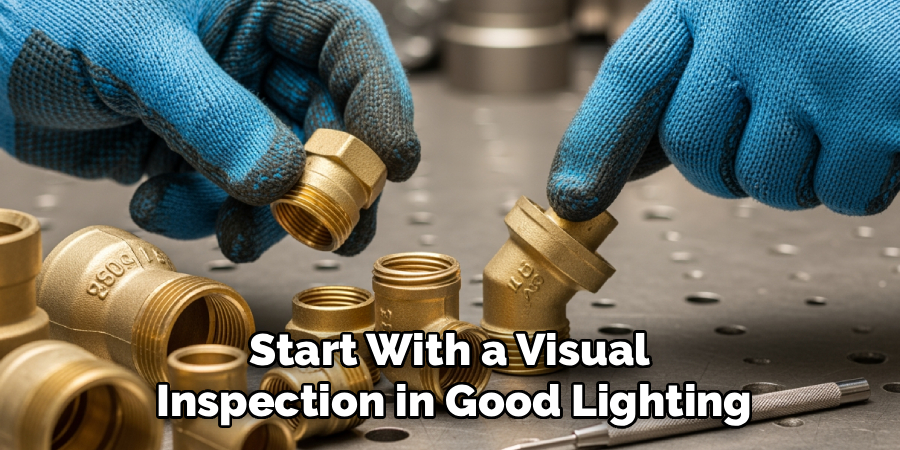
Start with a visual inspection in good lighting. Brass has a warm, yellowish-gold tone that sits somewhere between copper’s reddish hue and the pale silver of aluminum. Hold the piece near a window or under bright light and study it from different angles. Older brass often develops a darker patina or a brownish tarnish on the surface, which can hide its true color. If you scratch lightly through that surface layer, you’ll usually reveal the bright golden metal underneath. Color alone isn’t proof, but it’s your first and fastest clue.
Step 2: Test the Weight in Your Hand
Pick up the item and feel its heft. Brass is noticeably denser and heavier than aluminum or plastic-coated metals of the same size. When you hold a brass fitting next to a similar-sized steel piece, the brass often feels solid and substantial. This simple hand test won’t give you an exact answer, but it quickly rules out lightweight imposters. Practice comparing known brass objects, like a faucet handle, against other metals so you build a reliable sense of what genuine brass weight feels like in everyday sorting.
Step 3: Use a Magnet to Check Pull
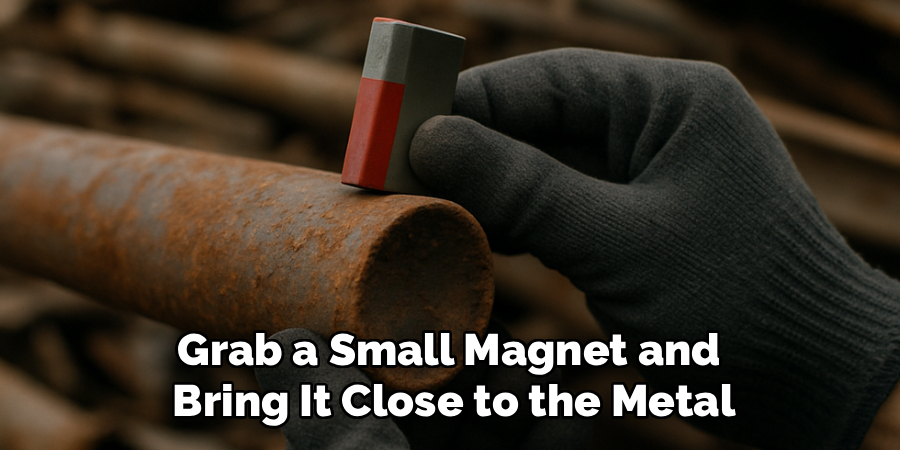
Grab a small magnet and bring it close to the metal. Brass is not magnetic, so a true brass piece will show no pull at all. If the magnet sticks firmly, you’re likely holding steel or iron that may simply be coated or painted to look golden. This is one of the most reliable quick tests when you’re learning how to identify brass scrap because it instantly separates ferrous metals from your brass pile. Keep a magnet in your pocket whenever you sort, and you’ll save plenty of time.
Step 4: Make a Scratch and Inspect
Find a hidden spot on the item and scratch the surface with a file or a sharp tool. Beneath any tarnish, brass reveals a smooth, bright golden-yellow streak. If the scratch shows a reddish tint, you may have copper or a bronze alloy instead. A silvery streak points to plated metal where only the coating looked like brass. This test cuts through misleading surface layers and gives you a clearer reading of the actual metal. Always scratch where it won’t affect the item’s value or appearance.
Step 5: Listen to the Sound It Makes
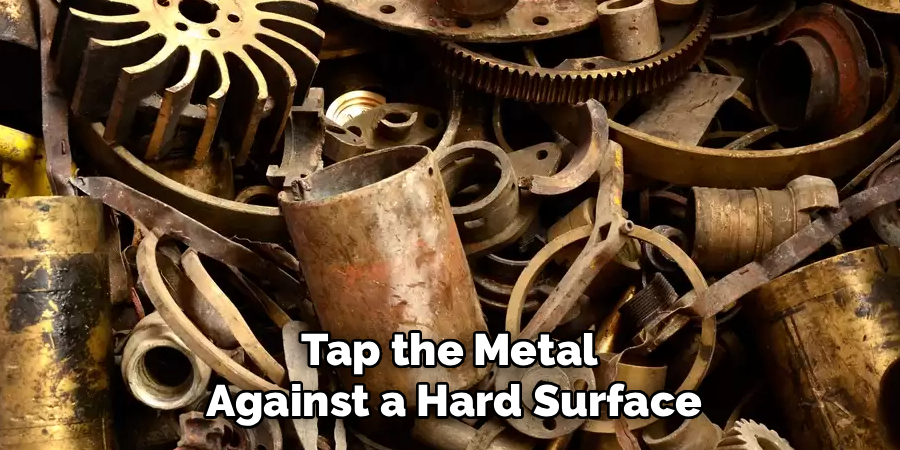
Tap the metal against a hard surface and listen carefully. Brass produces a clear, ringing tone that lingers briefly, almost like a soft bell. Steel tends to sound duller and flatter, while aluminum gives a higher, tinnier clink. This acoustic check works especially well on solid items like fittings, valves, and instrument parts. It takes a little practice to train your ear, so test a few pieces you already know are brass. Over time, this becomes a surprisingly handy way to confirm your other findings quickly.
Step 6: Tell Brass From Bronze Apart
Bronze often gets confused with brass because both are copper alloys with similar coloring. The trick to how to identify brass scrap accurately is comparing tones side by side. Brass leans yellow and bright, while bronze carries a deeper, reddish-brown or even slightly pinkish cast. Bronze also tends to feel a touch heavier and shows a different patina as it ages. If you’re unsure, the scratch test from earlier helps confirm the underlying color. Keeping a reference sample of each metal nearby makes these tricky comparisons far easier during sorting.
Step 7: Confirm With a Professional Test
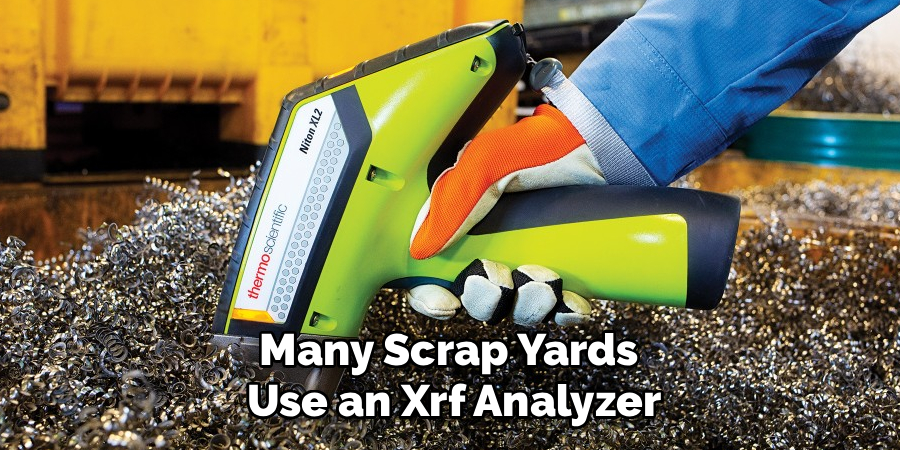
When you want certainty, especially for large or valuable loads, turn to advanced verification. Many scrap yards use an XRF analyzer, a handheld device that reads exact metal composition in seconds without damaging the item. Some buyers offer this service for free when you bring in a batch. You can also use a chemical testing kit designed for metal identification, which produces a color reaction specific to brass. These methods remove all guesswork and give you a confident, accurate result you can rely on before finalizing any sale.
Frequently Asked Questions
Is Brass Worth More Than Copper at the Scrap Yard?
Generally, copper commands a higher price per pound than brass because it’s a pure metal in greater demand. However, brass still holds solid value and often outperforms aluminum and steel. Prices shift with market conditions, so check current rates with your local buyer before selling. Clean, well-sorted brass without attachments usually earns the best return, so removing screws and other materials first really pays off.
Can a Magnet Alone Confirm a Piece Is Brass?
A magnet test is useful but not conclusive on its own. Since brass is non-magnetic, no pull tells you the metal isn’t steel or iron, which narrows things down. Yet aluminum, copper, and bronze are also non-magnetic, so they pass the same test. Always pair the magnet check with a color inspection and a scratch test to confirm you’re truly holding brass rather than another non-ferrous lookalike.
What’s the Easiest Way to Spot Brass for a Beginner?
The simplest approach combines two quick checks anyone can do. First, look for that warm golden-yellow color in good light. Second, run a magnet over the piece to rule out steel. If the color looks right and the magnet doesn’t stick, you’re probably dealing with brass. From there, a light scratch confirms the bright metal underneath. These three steps require no special tools and build your confidence fast.
Why Does Some Brass Look Dark or Greenish?
Brass naturally develops a patina as it reacts with air and moisture over time. This can darken the surface to brown or create a greenish layer, similar to how copper ages. The discoloration is only on the outside and doesn’t change the metal beneath. A gentle scratch or polish reveals the true golden color. This tarnish actually protects the metal and rarely affects its scrap value once buyers inspect underneath.
Should I Clean Brass Before Selling It as Scrap?
You don’t need to polish brass to a shine before selling, since buyers assess the metal itself, not its appearance. However, removing non-brass attachments like steel screws, rubber seals, or plastic parts matters a lot. Clean, separated brass counts as a higher grade and earns more per pound. Heavy dirt or paint won’t usually disqualify it, but a quick rinse and basic sorting help you secure the best possible offer.
Conclusion
Learning how to identify brass scrap is a practical, rewarding skill that pays for itself every time you sort a pile or visit the scrap yard. By combining simple checks, examining color, feeling the weight, testing with a magnet, scratching the surface, listening to the sound, distinguishing brass from bronze, and confirming with professional tools when needed, you can identify brass with real confidence. Each step builds on the last, so even total beginners can move from guessing to knowing in a single afternoon of practice.
The key takeaway is that accuracy comes from layering a few quick tests rather than relying on any single one. Keep a magnet and a small file handy, trust your growing eye for that warm golden tone, and don’t hesitate to ask your local recycler for an XRF check on bigger loads. Now it’s your turn to put these techniques to work. Grab a few pieces, run through the steps, and start sorting smarter, cleaner, and more profitably today.

About
Stuart Rich is a distinguished figure in the world of metalworking and fabrication, with a decade of expertise creating innovative and sustainable metal projects. His professional focus lies in merging traditional blacksmithing and machining with modern manufacturing techniques, fostering designs that are both practical and durable. As the author of Metalenify, Stuart Rich delves into the art and science of metallurgy and DIY metal creation, inspiring artisans, hobbyists, and industry professionals alike.
Education
RMIT University
(Melbourne, Australia)
Associate Degree in Engineering Technology (Mechanical / Manufacturing)
Focus on metallurgical properties, industry-driven projects, and practical metal craftsmanship. Gained hands-on experience with traditional machining and digital manufacturing tools, such as CAD, CNC software, and precision welding equipment.
Nottingham Trent University
(United Kingdom)
Bachelor’s in Product Design and Materials Engineering (Honors)
Specialized in product design with a heavy focus on blending creativity with metal production and fabrication techniques. Participated in real-world industry projects, collaborating with architectural and hardware manufacturing companies to optimize material efficiency.
Publications and Impact
In Metalenify, Stuart Rich shares his insights on structural metal design processes, material grades, and strategies for efficient shop production. His writing bridges the gap between raw artisan knowledge and modern industrial needs, making it a must-read for both budding DIY metalworkers and seasoned fabrication professionals.