Nickel silver is one of those materials that fools almost everyone at first glance. Despite the name, it contains no real silver at all. Instead, it blends copper, nickel, and zinc into a tough, silvery-looking alloy prized for jewelry, musical instruments, cutlery, and decorative hardware. That convincing shine is exactly why so many people mistake it for sterling silver, which can lead to costly buying mistakes or undervalued sales. Learning how to identify nickel silver protects your money, your collection, and your peace of mind.
The good news is that you do not need a laboratory or years of training to tell the difference. With a few simple checks and a little practice, you can read the clues hiding in plain sight. This guide walks you through each method in friendly, plain language, so nothing feels confusing or out of reach. Whether you are a curious beginner sorting through a flea-market find or a hobbyist building a workshop skill set, you will finish with the confidence to spot nickel silver quickly and accurately every single time.
Why Identifying Nickel Silver Matters
Knowing what you are holding changes everything. Nickel silver and sterling silver can look almost identical, yet their values sit worlds apart. Mistaking one for the other could mean overpaying for a “silver” piece that is really a cheap alloy, or selling a treasure for pennies. Correct identification keeps every trade fair and every purchase smart.
There is a practical safety angle too. Nickel can trigger skin allergies, so anyone wearing jewelry or handling tableware benefits from knowing the real material. Crafters and metalworkers also rely on accurate identification because nickel silver solders, polishes, and ages differently than precious metals. When you confirm the composition first, you choose the right tools, set fair prices, and avoid frustrating surprises. That small habit of checking turns guesswork into genuine confidence.
Step-by-Step Guide to How to Identify Nickel Silver
Step 1: Gather Your Tools and Clean the Piece
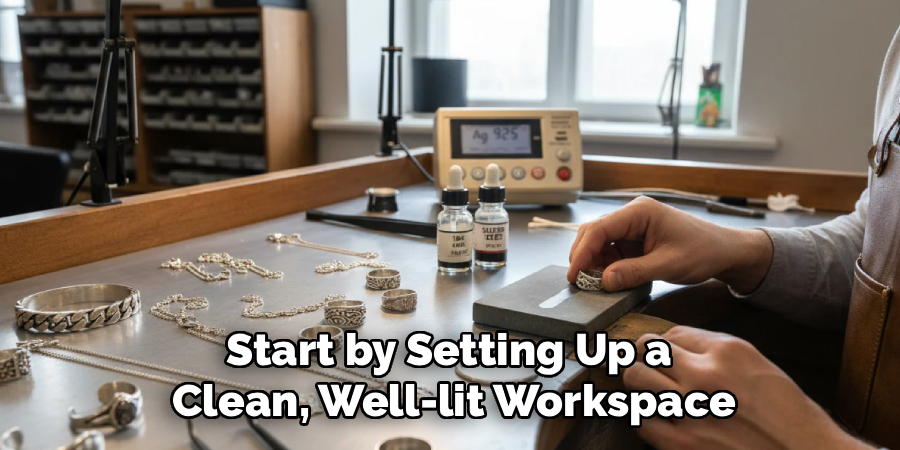
Start by setting up a clean, well-lit workspace where you can focus on small details. Collect a strong magnet, a soft cloth, a magnifying glass, white vinegar, and a cotton swab. If you want deeper accuracy later, set aside access to a testing acid kit too. Before you examine anything, gently wipe the item to remove dust, oils, and grime, because dirt can hide stamps and dull the surface color. Avoid harsh scrubbing that might scratch the metal. Good preparation makes every following check clearer and more reliable, and it gives you the best possible chance of reading the true material underneath.
Step 2: Search for Hallmarks and Stamps
Your first real clue often hides in tiny printed marks. Grab your magnifying glass and inspect the piece carefully, checking the back, the base, clasps, or inner rims. Genuine sterling usually carries marks like “925,” “sterling,” or “ster.” Nickel silver, by contrast, often shows stamps such as “EPNS,” “German silver,” “nickel silver,” or simply nothing at all. The letters EPNS stand for electroplated nickel silver, meaning a thin silver layer sits over a nickel-silver base. Reading these stamps takes a little patience, yet they offer some of the fastest and most dependable evidence you can find about what you are truly holding.
Step 3: Run a Magnet Test
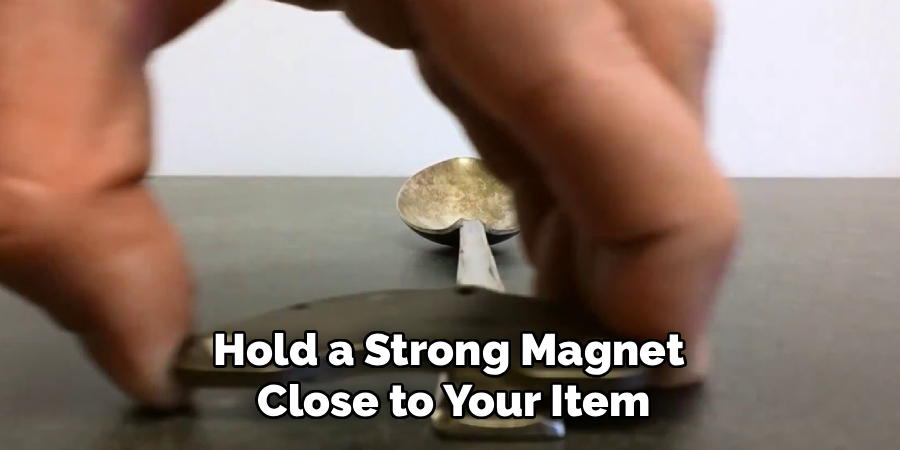
This quick check costs nothing and takes seconds. Hold a strong magnet close to your item and watch how it reacts. Pure copper, zinc, and silver are not magnetic, and neither is true nickel silver in most cases, so the alloy usually shows only a very slight pull at most. If the piece grabs the magnet firmly, you are likely looking at steel coated to imitate silver rather than the real alloy. Keep in mind that this test rules options out rather than confirming an exact grade. Treat it as a helpful early filter that narrows your possibilities before you move on.
Step 4: Examine Color and Tarnish
Your own eyes are surprisingly powerful here. Look closely at the surface tone under good light and compare it against something you know is sterling. Real silver shows a bright, warm white glow, while nickel silver often leans slightly grayer, with a faint yellowish or greenish undertone hiding in the shine. Tarnish tells a story too. Sterling develops a soft black patina, but nickel silver tends to form a duller, grayish-green film as it ages. When you learn how to identify nickel silver by these subtle color shifts, you build an instinct that grows sharper with every piece you study.
Step 5: Try the Vinegar Spot Test
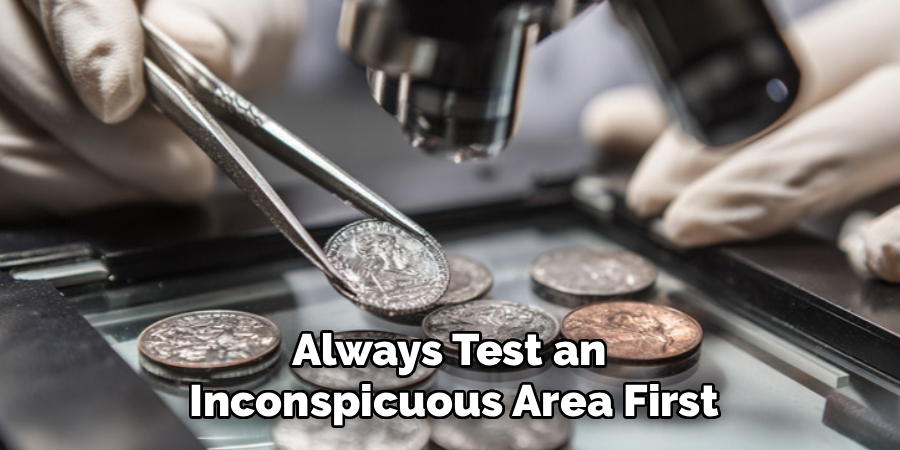
Household vinegar makes a gentle, low-risk testing tool. Dip a cotton swab in white vinegar and dab it onto a small, hidden spot of the metal, then wait a few minutes and watch closely. Nickel silver often reacts by turning a faint green where the copper and zinc respond to the acid. Genuine silver, however, stays largely unchanged and keeps its clean appearance. Always test an inconspicuous area first so you protect any visible surfaces. This friendly kitchen experiment will not give a laboratory-grade verdict, yet it adds another solid layer of evidence to support what your other checks already suggest.
Step 6: Use an Acid Testing Kit
When you want firmer proof, an inexpensive silver acid testing kit raises your accuracy considerably. These kits include a small scratch stone and graded acid solutions designed for precious metals. Rub the piece gently on the stone to leave a faint streak, then apply a drop of the silver-testing acid to that mark. Real sterling produces a creamy or milky reaction, while nickel silver shifts toward green or brown because it lacks genuine silver content. Work in a ventilated space, wear gloves, and follow the kit instructions carefully. Mastering how to identify nickel silver with these affordable kits bridges simple home checks and professional analysis beautifully.
Step 7: Confirm With a Professional Appraisal
For absolute certainty, especially with valuable or sentimental items, turn to an expert. A jeweler or professional appraiser can use advanced tools like XRF analyzers that read the exact elemental makeup in seconds without harming the piece. They also bring trained eyes and years of hands-on experience to spot details that home methods might miss. Yes, this step costs a little more time and money, yet it delivers documented, trustworthy results you can rely on. Treat professional confirmation as your final safety net whenever the stakes feel high, the value runs large, or you simply want complete confidence in your answer.

Frequently Asked Questions
Does Nickel Silver Contain Any Real Silver?
No, despite its misleading name, nickel silver holds no actual silver whatsoever. It is an alloy made primarily from copper, nickel, and zinc, which together create a bright, silvery appearance. The “silver” in the name simply describes its color, not its content. This common confusion is exactly why so many shoppers overpay, so knowing the true makeup helps you judge value fairly and shop with genuine confidence.
Is Nickel Silver Worth Anything?
Nickel silver carries modest value compared with precious metals, but it is not worthless. Its durability, attractive shine, and resistance to corrosion make it popular for jewelry, flatware, instruments, and decorative items. Collectors sometimes prize antique or finely crafted nickel silver pieces for their artistry and history. While you should never expect sterling-silver prices, well-made or vintage items can still fetch a fair and reasonable return.
Can Nickel Silver Cause Skin Allergies?
Yes, it can. Nickel is a well-known allergen, and the nickel content in this alloy may irritate sensitive skin, causing redness, itching, or rashes for some people. If you know you react to nickel, wear such jewelry with caution or choose hypoallergenic alternatives instead. Applying a clear protective coating to contact points can also help reduce direct exposure and make wearing these pieces far more comfortable.
How Is Nickel Silver Different From Sterling Silver?
The biggest difference is composition. Sterling silver is 92.5 percent pure silver, giving it real precious-metal value, while nickel silver contains copper, nickel, and zinc with no silver at all. Sterling appears brighter and warmer, tarnishes black, and feels appropriately heavy. Nickel silver looks slightly grayer, develops a greenish film, and costs far less. Hallmarks, color, and simple acid tests all help you tell them apart.
Will a Magnet Stick to Nickel Silver?
Generally, no. True nickel silver is not strongly magnetic because its main ingredients, copper and zinc, do not respond to magnets, and its nickel content is usually too low to create a firm pull. If a “silver” item grabs a magnet tightly, it most likely hides a steel core beneath a thin plated surface. The magnet test works best as a quick first screening clue.
Conclusion
Telling nickel silver apart from genuine sterling no longer has to feel like a guessing game. Start with the easy, free checks by reading hallmarks, running a magnet over the surface, and studying color and tarnish under good light. From there, build confidence with a simple vinegar spot test, step up to an affordable acid testing kit, and finally seek a professional appraisal whenever the value or sentiment truly matters. Each method stacks another layer of certainty onto the last, and combining several gives you the most trustworthy result of all.
The real reward is the independence these skills bring. Once you understand how to identify nickel silver, you can walk into any flea market, estate sale, or jewelry shop and read the clues like a seasoned pro. Your knowledge protects your wallet, sharpens your eye, and grows with every piece you examine. So pick up something silvery from around your home today and put one of these tests to work. With a little practice, accurate identification quickly becomes second nature.

About
Stuart Rich is a distinguished figure in the world of metalworking and fabrication, with a decade of expertise creating innovative and sustainable metal projects. His professional focus lies in merging traditional blacksmithing and machining with modern manufacturing techniques, fostering designs that are both practical and durable. As the author of Metalenify, Stuart Rich delves into the art and science of metallurgy and DIY metal creation, inspiring artisans, hobbyists, and industry professionals alike.
Education
RMIT University
(Melbourne, Australia)
Associate Degree in Engineering Technology (Mechanical / Manufacturing)
Focus on metallurgical properties, industry-driven projects, and practical metal craftsmanship. Gained hands-on experience with traditional machining and digital manufacturing tools, such as CAD, CNC software, and precision welding equipment.
Nottingham Trent University
(United Kingdom)
Bachelor’s in Product Design and Materials Engineering (Honors)
Specialized in product design with a heavy focus on blending creativity with metal production and fabrication techniques. Participated in real-world industry projects, collaborating with architectural and hardware manufacturing companies to optimize material efficiency.
Publications and Impact
In Metalenify, Stuart Rich shares his insights on structural metal design processes, material grades, and strategies for efficient shop production. His writing bridges the gap between raw artisan knowledge and modern industrial needs, making it a must-read for both budding DIY metalworkers and seasoned fabrication professionals.