Copper is one of the most valuable metals you can find in scrap, and learning how to identify copper scrap can turn everyday clutter into real cash. Whether you’re cleaning out a garage, working on a renovation, or starting a side hustle in recycling, knowing what you’re holding makes a huge difference. Copper hides in plain sight inside old wires, pipes, motors, and appliances, yet many people toss it out without a second thought.
The good news is that spotting copper doesn’t require fancy equipment or years of experience. With a few simple checks, you can tell copper apart from cheaper look-alikes like brass, bronze, or aluminum. This skill helps you sort smarter, sell better, and avoid getting shortchanged at the scrapyard. In this guide, we’ll walk you through everything step by step in plain language. By the end, you’ll feel confident handling, grading, and separating your finds like a seasoned pro, even if you’re just getting started today.
Why Identifying Copper Scrap Matters
Knowing your metals protects your wallet and your time. Copper sells for far more than aluminum or steel, so confusing the two can cost you real money at the yard. When you sort accurately, buyers trust you more and often pay better rates for clean, separated loads.
There’s also an environmental win here. Copper is endlessly recyclable, and reclaiming it reduces the need for energy-heavy mining. Every pound you recover keeps valuable material in use and out of landfills. Beyond that, correct identification helps you negotiate with confidence. You’ll understand grades like #1 and #2 copper, which command different prices. In short, this skill empowers you to make smarter choices, boost your earnings, and contribute to a cleaner, more sustainable recycling cycle.
Step-by-Step Guide to How To Identify Copper Scrap
Step 1: Check the Color First
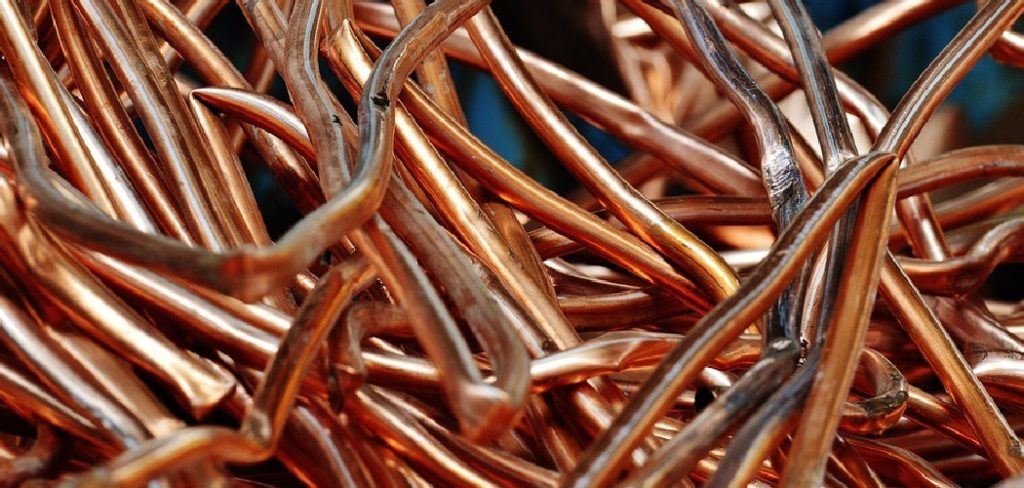
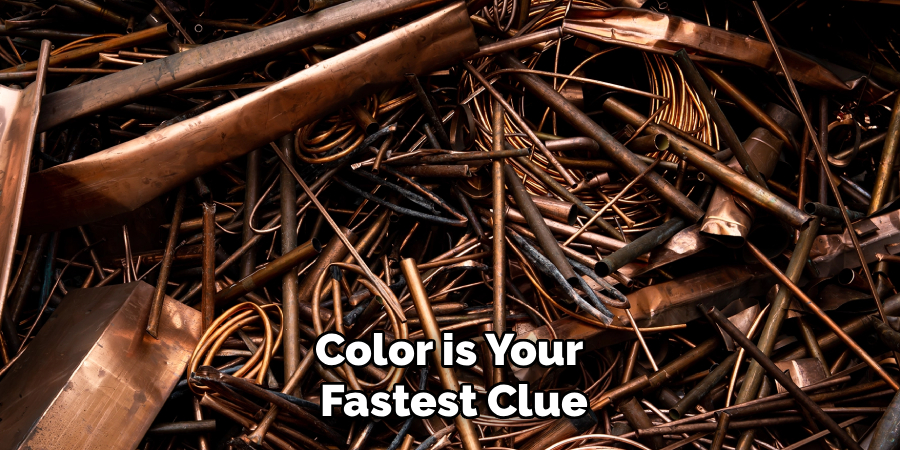
Color is your fastest clue. Pure copper has a warm, reddish-orange to pinkish glow, almost like a shiny new penny. When you’re trying to figure out how to identify copper scrap, start by wiping the surface clean and looking at it under good light. Brass tends to look yellow or gold, while bronze appears darker and more brownish. Aged copper can develop a green or brown layer called patina, so scratch a small hidden spot to reveal the true color underneath. That reddish shine peeking through is your strongest first sign you’re holding the real thing.
Step 2: Test With a Magnet
Grab a simple household magnet for this one. Copper is non-magnetic, so a magnet will not stick to it at all. If your piece pulls toward the magnet, you’re likely dealing with steel, iron, or a copper-coated material rather than solid copper. This quick test costs nothing and takes seconds. Keep in mind that some items, like certain motor parts, mix metals together, so a weak pull might mean copper wrapped around a steel core. Use the magnet test alongside your color check rather than relying on it alone for the most accurate read.
Step 3: Examine the Weight and Density
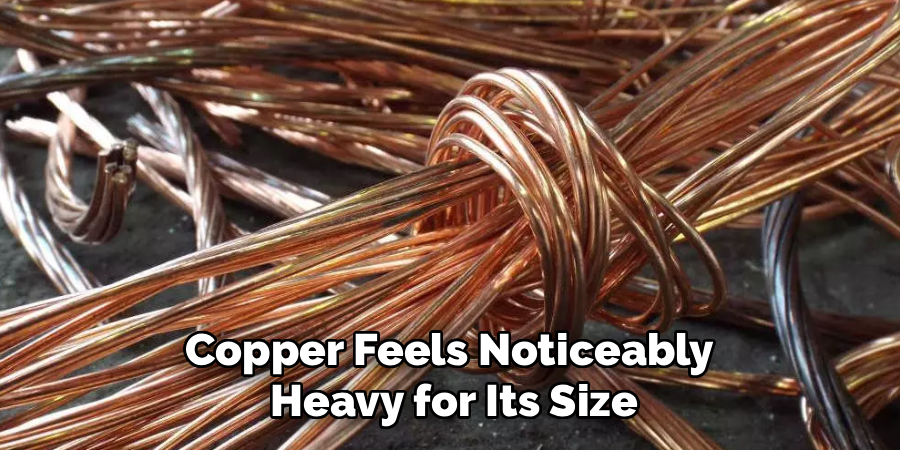
Copper feels noticeably heavy for its size. When you pick up a piece, it should have a solid, dense heft compared to lighter metals like aluminum, which feels almost weightless in your hand. This density difference becomes obvious once you’ve handled a few samples. Try holding a known copper item next to an unknown piece of similar size and compare them directly. If the mystery piece feels surprisingly light, it’s probably aluminum or a hollow imitation. This hands-on comparison sharpens your instincts quickly, and soon you’ll judge weight accurately without even thinking about it.
Step 4: Listen to the Sound
Metals make different sounds when struck, and copper has a distinct ring. Tap your piece gently against a hard surface or with a small tool and listen closely. Copper produces a soft, mellow tone rather than a sharp, high-pitched clang. This sound test works best once you’ve practiced with a confirmed sample so your ear learns the difference. While it isn’t foolproof on its own, it adds another helpful layer to your investigation. Combine what you hear with what you see and feel, and you’ll build a complete picture of the metal in your hands.
Step 5: Look at Common Sources
Knowing where copper hides speeds up the whole process. Electrical wiring, plumbing pipes, electric motors, transformers, and old appliances are treasure spots worth checking. Inside walls and ceilings, you’ll often find copper tubing and cable runs. Learning how to identify copper scrap gets easier when you recognize these usual hiding places before you even pick up a tool. Strip back insulation on wires to reveal bright copper strands, and inspect pipe fittings for that telltale reddish hue. Building a mental map of common sources turns random scavenging into a focused, rewarding search every single time.

Step 6: Separate Bare Bright From Lower Grades
Copper comes in grades that affect its value, so sorting matters. Bare bright copper is clean, uncoated wire that looks shiny and new, and it earns the highest price. Number one copper includes thicker, clean pieces free of solder or paint, while number two copper has coatings, corrosion, or attached fittings. Set up separate piles as you work so each grade stays clean and easy to weigh. Keep insulated wire apart too, since buyers often pay less for it. This careful sorting takes a little extra effort but rewards you with stronger payouts at the yard.
Step 7: Confirm With a Final Inspection
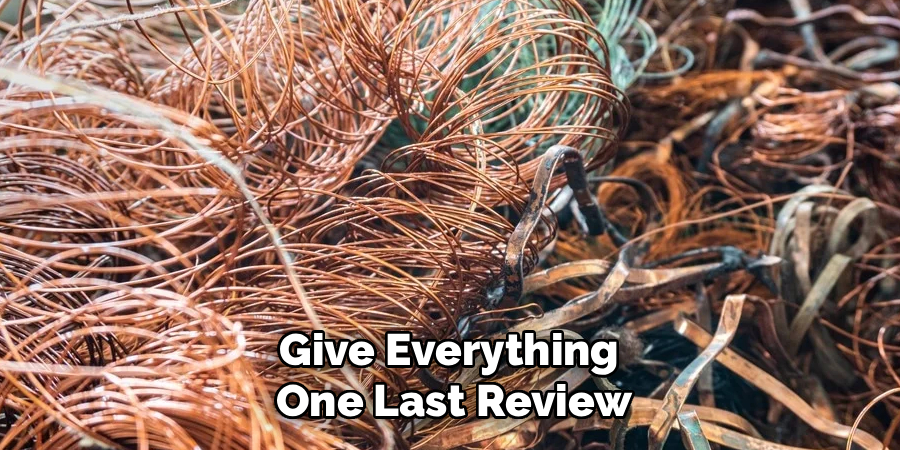
Before you head to the buyer, give everything one last review. Double-check each pile for stray pieces of brass, bronze, or steel that may have slipped in during sorting. Use your magnet, color check, and weight comparison together to catch any mistakes. Clean off excess dirt, oil, or debris so your copper presents well and earns top dollar. This final pass builds your confidence and prevents costly mix-ups at the scale. Taking a few extra minutes here ensures every grade is accurate, and it shows buyers you take your sorting seriously, which often leads to better treatment.
Frequently Asked Questions
How Can I Tell Copper From Brass Quickly?
Color is the easiest tell. Copper has a warm reddish-orange tone, while brass looks distinctly yellow or gold. Scratch a hidden spot to see the metal beneath any tarnish. You can also compare weight, since copper feels denser than brass of the same size. When you combine the color check with a quick scratch test, distinguishing the two becomes simple and reliable.
Does Copper Stick to a Magnet?
No, copper is completely non-magnetic, so a magnet will not stick to it. If your piece attracts a magnet, it likely contains steel or iron, or it may be copper-plated over another metal. This makes the magnet test a fast, free way to rule out fakes. Just remember to pair it with color and weight checks, since some items combine copper with magnetic cores.
What Is Bare Bright Copper Worth More?
Bare bright copper is clean, uncoated copper wire with a shiny, new appearance, and it sits at the top of the value scale. Because it requires no extra processing to recycle, buyers pay premium rates for it. Keeping this grade separate from coated or corroded copper protects its value. Strip insulation carefully and avoid mixing in lower grades to earn the best possible price.
Where Do I Find Copper in My Home?
Copper hides in many everyday places. Look inside electrical wiring, plumbing pipes, water heaters, air conditioners, and electric motors. Old appliances, computers, and power tools often contain copper components too. Renovation projects frequently uncover copper tubing behind walls and under floors. Once you learn these common sources, spotting valuable copper around your home becomes second nature and surprisingly rewarding.
Can Aged or Green Copper Still Be Valuable?
Yes, copper with green or brown patina is still genuine copper and holds value. That colored layer simply forms from exposure to air and moisture over time. Scratch the surface to confirm the reddish metal underneath. While heavily corroded copper may grade lower than clean pieces, it remains far more valuable than aluminum or steel, so never toss it out without checking first.
Conclusion
Mastering how to identify copper scrap opens the door to smarter recycling and better payouts, and the best part is that anyone can learn it. By checking color, testing with a magnet, judging weight, listening for sound, knowing common sources, and sorting by grade, you build a reliable system that works every time. Each step strengthens your confidence and sharpens your eye, turning guesswork into genuine skill.
Now it’s time to put these techniques into practice. Grab a magnet, gather a few sample pieces, and start sorting with fresh eyes. The more you handle different metals, the faster and more accurate you’ll become. Whether you’re recycling for extra income or simply doing your part for the planet, these skills pay off. Trust the process, keep your piles clean, and head to your local scrapyard ready to negotiate like a pro. Your next valuable find could be sitting in your garage right now.

About
Stuart Rich is a distinguished figure in the world of metalworking and fabrication, with a decade of expertise creating innovative and sustainable metal projects. His professional focus lies in merging traditional blacksmithing and machining with modern manufacturing techniques, fostering designs that are both practical and durable. As the author of Metalenify, Stuart Rich delves into the art and science of metallurgy and DIY metal creation, inspiring artisans, hobbyists, and industry professionals alike.
Education
RMIT University
(Melbourne, Australia)
Associate Degree in Engineering Technology (Mechanical / Manufacturing)
Focus on metallurgical properties, industry-driven projects, and practical metal craftsmanship. Gained hands-on experience with traditional machining and digital manufacturing tools, such as CAD, CNC software, and precision welding equipment.
Nottingham Trent University
(United Kingdom)
Bachelor’s in Product Design and Materials Engineering (Honors)
Specialized in product design with a heavy focus on blending creativity with metal production and fabrication techniques. Participated in real-world industry projects, collaborating with architectural and hardware manufacturing companies to optimize material efficiency.
Publications and Impact
In Metalenify, Stuart Rich shares his insights on structural metal design processes, material grades, and strategies for efficient shop production. His writing bridges the gap between raw artisan knowledge and modern industrial needs, making it a must-read for both budding DIY metalworkers and seasoned fabrication professionals.