Electroplated metal gives everyday objects a bright, mirror-like finish that feels premium and looks stunning. You see it on faucets, jewelry, car trim, kitchenware, and countless decorative pieces. Over time, though, that shiny surface can fade, develop fingerprints, or pick up tiny scratches. Knowing how to polish electroplated metal helps you bring back that fresh-from-the-factory glow without damaging the thin plated layer underneath.
This guide is built for everyone, whether you are a complete beginner or someone who simply wants a reliable, safe routine. The plating on these items is delicate, so the right technique matters far more than brute force. With a few common supplies and a gentle touch, you can restore shine and protect your items for years.
We will walk through why polishing matters, a clear seven-step process, and answers to the most common questions. By the end, you will feel confident tackling any plated surface in your home. Think of this as your friendly, step-by-step companion that adapts to your pace and skill level.
Why Polishing Electroplated Metal Matters
Polishing does more than make things pretty. The plated layer on these items is incredibly thin, often just a few microns deep, so dirt, oxidation, and grime can dull it quickly. Regular care keeps that protective layer intact and prevents corrosion from reaching the base metal beneath.
There are real benefits to staying on top of this routine. A well-polished surface resists tarnish longer, holds its value, and looks far more impressive to guests or customers. You also reduce the risk of permanent damage, since gentle cleaning removes buildup before it hardens. For jewelry, fixtures, and collectibles, that means a longer lifespan and fewer costly replacements. Best of all, the process is simple enough for anyone to master, giving you a satisfying result every single time.
Step-by-Step Guide to How To Polish Electroplated Metal
Step 1: Gather Your Supplies
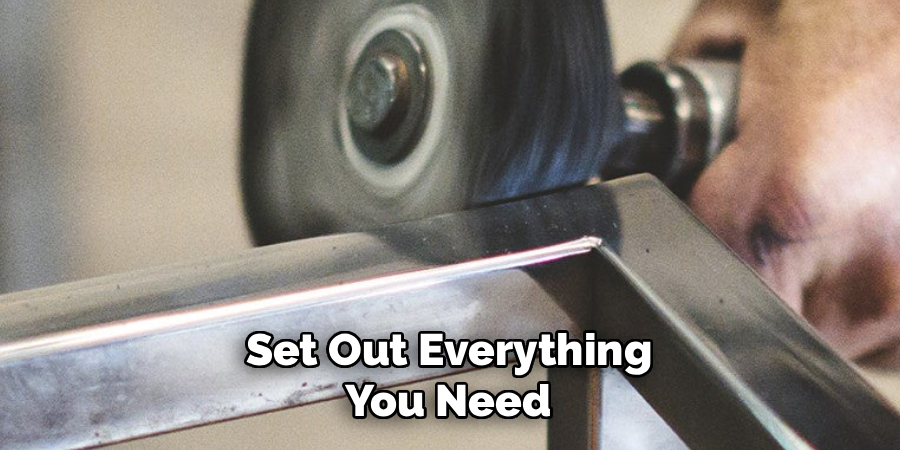
Before you begin, set out everything you need so the process feels smooth and stress-free. You will want a few soft microfiber cloths, a mild dish soap, warm water, a small bowl, and a non-abrasive metal polish made for plated surfaces. Avoid steel wool, harsh chemicals, or anything gritty, since these can scratch straight through the thin coating. If you are working on jewelry, a soft toothbrush helps reach tight spots. Having your tools ready in one place means you can focus fully on the task and avoid scrambling halfway through. A little preparation here saves time and protects your item.
Step 2: Inspect the Surface Carefully
Take a moment to study the piece under good lighting. Look for fingerprints, tarnish, light scratches, or areas where the plating may be wearing thin. This quick inspection tells you how much work the item needs and warns you about fragile spots to treat gently. If you spot any peeling or exposed base metal, be extra cautious, because aggressive polishing there can make things worse. Run your fingertips lightly across the surface to feel for rough patches. Understanding the condition before you start gives you a clear plan and helps you choose the gentlest approach for each area.
Step 3: Clean Away Dirt and Grime
Mix a few drops of mild dish soap into warm water, then dampen a soft microfiber cloth in the solution. Wipe the surface gently to lift away dust, oils, and everyday grime. For detailed or engraved sections, a soft toothbrush works wonders without scratching. This step is the foundation of how to polish electroplated metal, because any leftover dirt can act like sandpaper once you start buffing. Rinse the cloth often so you are not just moving grime around. Take your time and let the soap do the work, using light pressure rather than scrubbing hard against the delicate plated coating.
Step 4: Rinse and Dry Thoroughly
Once the surface is clean, rinse away every trace of soap using a fresh cloth dampened with clean water. Soap residue left behind can create streaks or dull the finish, so be thorough here. After rinsing, dry the item completely with a separate soft, dry microfiber cloth. Moisture is the enemy of plated surfaces, since trapped water can lead to spotting or corrosion over time. Pat and gently buff rather than rubbing aggressively. Make sure you reach into crevices and corners where water likes to hide. A fully dry surface sets you up perfectly for the polishing stage that follows.
Step 5: Apply a Gentle Polish
Now comes the satisfying part. Put a small amount of non-abrasive polish onto a clean microfiber cloth, never directly onto the item. Work in small, circular motions with light, even pressure, covering one section at a time. This careful method is the heart of how to polish electroplated metal safely, since gentle circles distribute the product evenly and avoid creating swirl marks. Resist the urge to use too much product, as a little goes a long way. Keep checking your progress under the light so you can see the shine returning. Patience here delivers the smooth, reflective finish you are after.
Step 6: Buff to a Brilliant Shine
After the polish has done its job, switch to a clean, dry section of microfiber cloth and buff the surface in light, sweeping strokes. This removes any remaining product and reveals the bright, mirror-like glow underneath. Keep flipping to a fresh part of the cloth as it picks up residue, which prevents you from redepositing grime. Work methodically across the whole item so the finish looks even and consistent. You should see fingerprints and dull spots disappear as you go. Take pride in the transformation, because this buffing stage is where your effort truly pays off with a stunning result.
Step 7: Protect and Maintain the Finish
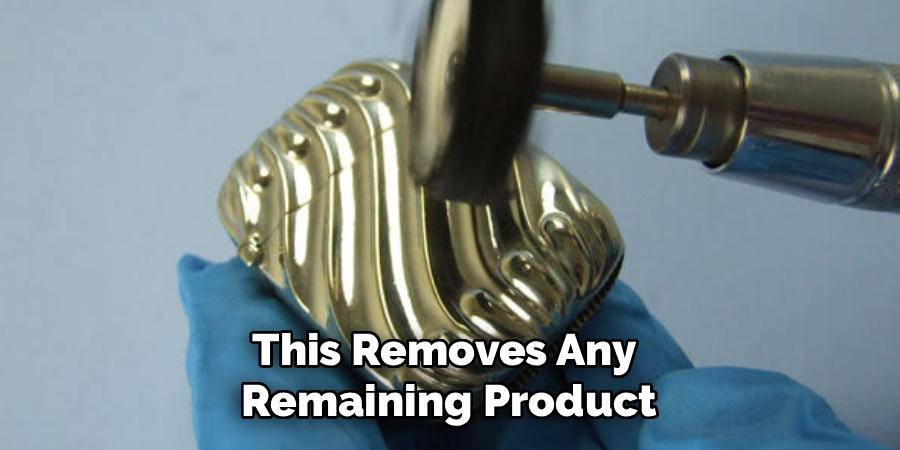
To keep your hard work looking great, finish with a thin protective layer if your polish includes one, or simply store the item away from moisture and direct sunlight. Wipe plated pieces with a dry cloth regularly to prevent buildup, and handle them with clean hands to limit fingerprints. Set a gentle reminder to repeat this routine every few weeks or months, depending on use. Consistent, light maintenance is far easier than restoring a badly tarnished piece later. With this simple habit, your electroplated items will stay bright, protected, and beautiful for a very long time.
Frequently Asked Questions
Can I Use Regular Household Cleaners On Electroplated Metal?
It is best to avoid harsh household cleaners, since many contain acids, ammonia, or abrasives that can eat through the thin plated layer. Stick to mild dish soap and warm water for routine cleaning, then follow with a polish designed for plated surfaces. Gentle products protect the coating while still removing grime, giving you a safe, reliable result that keeps your items looking their best.
How Often Should I Polish My Plated Items?
Frequency depends on how often you use or display the item. Pieces handled daily, like jewelry or faucets, benefit from a light wipe every week and a fuller polish every month or two. Decorative items that sit untouched may only need attention a few times a year. Watch for dullness or fingerprints as your cue. Regular, gentle care prevents buildup and keeps restoration quick and easy.
What Should I Do If The Plating Starts To Peel?
If you notice peeling or exposed base metal, stop polishing that area immediately, because friction can worsen the damage. Clean it very gently and avoid abrasive products altogether. Unfortunately, once plating wears through, it cannot be repaired with polish alone. For valuable items, a professional re-plating service can restore the finish. Treating the rest of the piece gently helps slow further wear and preserves its appearance.
Is It Safe To Polish Electroplated Jewelry At Home?
Yes, with a gentle approach. Use mild soap, warm water, and a soft cloth or toothbrush for detailed areas. Avoid ultrasonic cleaners and harsh chemicals, which can strip delicate plating. Dry the piece completely and apply only a small amount of non-abrasive polish. Many people achieve beautiful results at home, but for heirloom or high-value jewelry, professional cleaning offers extra peace of mind.
Why Does My Polished Surface Still Look Dull?
A dull finish after polishing usually points to leftover residue, an abrasive product, or plating that has worn thin over time. Make sure you rinse away all soap, use a clean cloth for buffing, and choose a polish made for plated metals. If the surface remains lackluster despite proper technique, the plating itself may be aging, which signals it is time for professional refinishing.
Conclusion
Bringing back the shine on plated surfaces is far simpler than it might seem, and now you have a clear, friendly roadmap to follow. From gathering the right supplies to gentle cleaning, careful polishing, and ongoing protection, each step builds toward a bright, lasting finish. The key takeaway is gentleness, since the plated layer is delicate and rewards patience over force. Once you understand how to polish electroplated metal the right way, you can confidently care for jewelry, fixtures, and decorative pieces throughout your home.
Why not put these steps into practice today? Pick one item that needs a little love, set out your supplies, and enjoy the satisfying transformation. With a few minutes of regular care, you will keep every plated surface looking polished, protected, and beautiful for years to come. Your items, your shine, your way.

About
Stuart Rich is a distinguished figure in the world of metalworking and fabrication, with a decade of expertise creating innovative and sustainable metal projects. His professional focus lies in merging traditional blacksmithing and machining with modern manufacturing techniques, fostering designs that are both practical and durable. As the author of Metalenify, Stuart Rich delves into the art and science of metallurgy and DIY metal creation, inspiring artisans, hobbyists, and industry professionals alike.
Education
RMIT University
(Melbourne, Australia)
Associate Degree in Engineering Technology (Mechanical / Manufacturing)
Focus on metallurgical properties, industry-driven projects, and practical metal craftsmanship. Gained hands-on experience with traditional machining and digital manufacturing tools, such as CAD, CNC software, and precision welding equipment.
Nottingham Trent University
(United Kingdom)
Bachelor’s in Product Design and Materials Engineering (Honors)
Specialized in product design with a heavy focus on blending creativity with metal production and fabrication techniques. Participated in real-world industry projects, collaborating with architectural and hardware manufacturing companies to optimize material efficiency.
Publications and Impact
In Metalenify, Stuart Rich shares his insights on structural metal design processes, material grades, and strategies for efficient shop production. His writing bridges the gap between raw artisan knowledge and modern industrial needs, making it a must-read for both budding DIY metalworkers and seasoned fabrication professionals.