How to Anodize Stainless Steel

How to Anodize Stainless Steel

Anodizing stainless steel is an electrochemical process that thickens the natural oxide layer already present on the metal’s surface. You clean the steel, submerge it in a heated chemical bath — often containing sulfuric acid — and apply a controlled electrical current to produce a finish that’s durable, colored, and more resistant to corrosion than … Read more

How to Cut Thin Sheet Metal

How to Cut Thin Sheet Metal

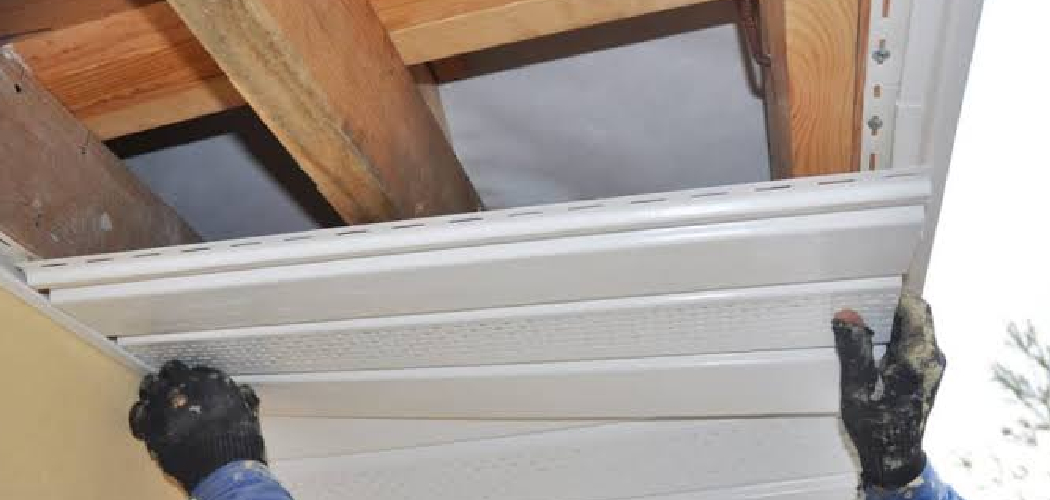
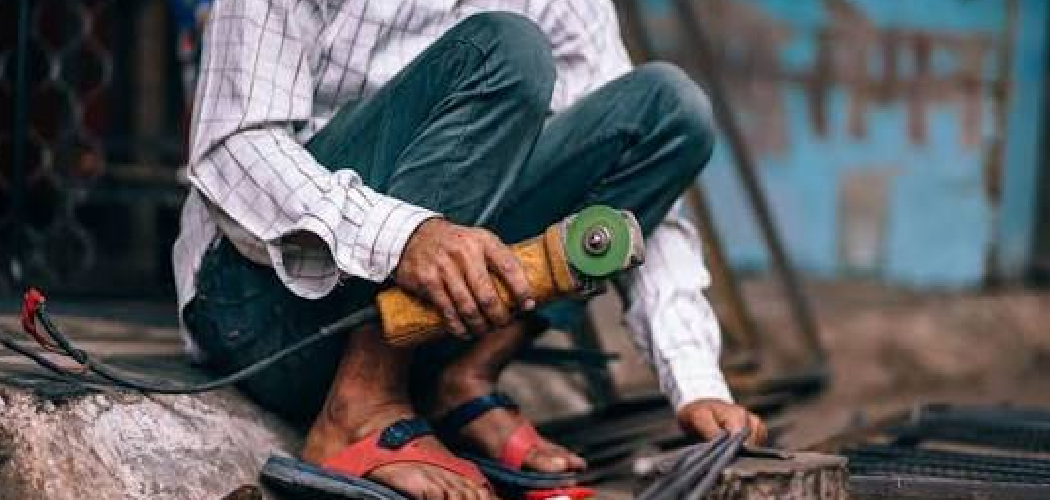
To cut thin sheet metal effectively, start by marking your cut line with a scribe or permanent marker. Secure the metal using clamps to prevent movement, then use aviation snips, a nibbler, or an angle grinder depending on the thickness and curve of the cut. Always wear heavy-duty gloves and safety glasses, and finish by … Read more

How to Cut Brass Sheet Metal

How to Cut Brass Sheet Metal

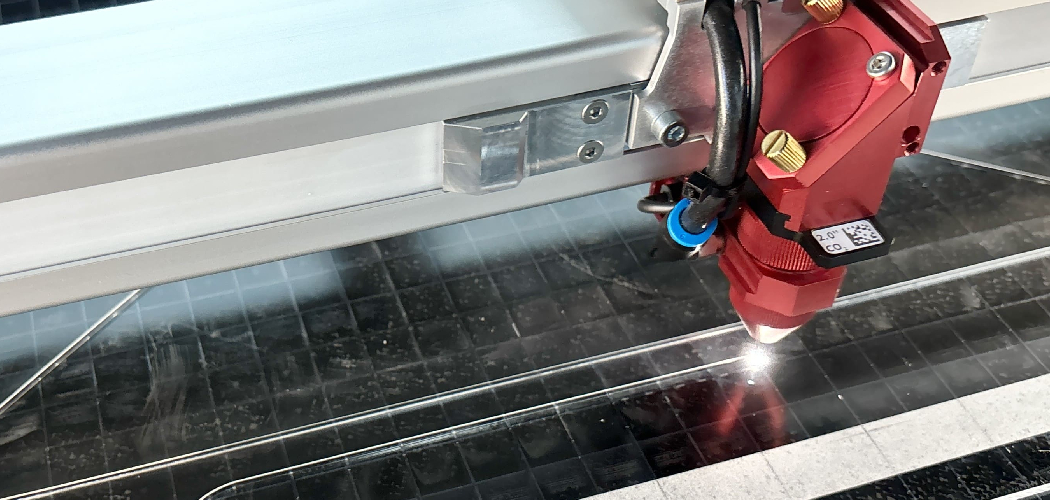
To cut brass sheet metal safely, choose the right tool for the gauge — tin snips for thin sheets, a jeweler’s saw for intricate designs. Secure the brass firmly to a workbench, mark your cutting line clearly, and guide your tool carefully while wearing appropriate protective gear. Cutting brass sheet metal is one of those … Read more

How to Fix Cast Aluminum Without Welding

How to Fix Cast Aluminum Without Welding

Quick answer: To fix cast aluminum without welding, you can use specialized aluminum epoxy or brazing rods. Epoxy requires cleaning the surface, mixing a two-part resin, applying it to the crack, and allowing it to cure. Brazing involves heating the aluminum with a propane torch and melting a zinc-aluminum rod into the joint for a … Read more

How to Paint Over Powder Coated Metal

How to Paint Over Powder Coated Metal

To successfully paint over powder-coated metal, clean the surface thoroughly with a degreaser, lightly scuff it using fine-grit sandpaper to create a bonding profile, wipe away dust, apply a high-quality bonding primer, and finish with an epoxy or enamel paint suited for metal surfaces. Many homeowners assume powder-coated surfaces can’t be repainted. That assumption is … Read more

How to Black Oxide Steel

How to Black Oxide Steel

Black oxidizing steel involves cleaning the metal, applying a cold blackening solution, and sealing it with oil to prevent rust and improve appearance. You will need a heavy-duty degreaser, a commercial black oxide chemical solution, distilled water, and a water-displacing oil to complete the chemical conversion process at home. Applying a black oxide finish to … Read more

How to Build a Welding Table

How to Build a Welding Table

Building a welding table means sourcing steel square tubing and a thick steel plate, cutting everything to size, welding up the base frame, and securing the top plate. The result is a heat-resistant, grounded workspace built specifically for metal fabrication and repair. A dedicated welding surface is one of those shop investments that tends to … Read more

How to Soften Hardened Steel

How to Soften Hardened Steel

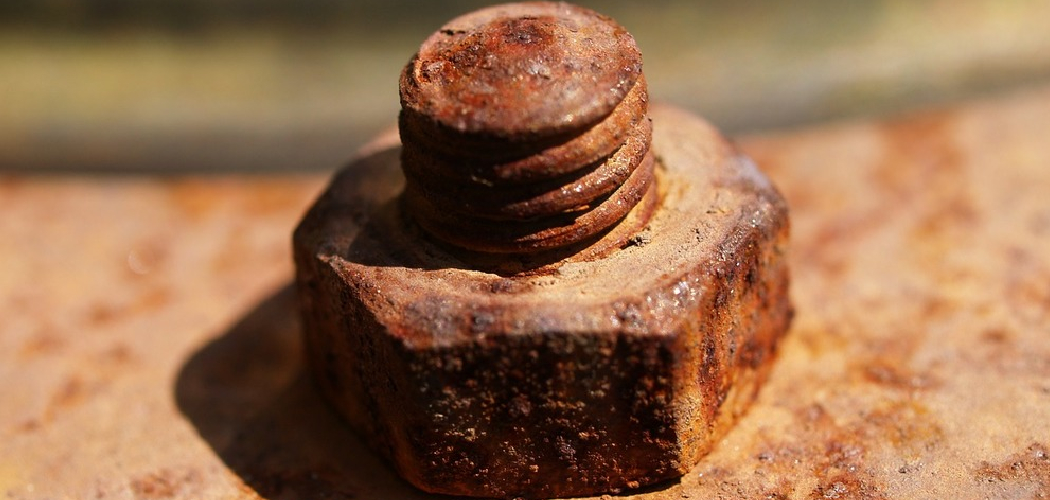
To soften hardened steel, you need a process called annealing. Heat the steel to its critical temperature — typically somewhere between 1,400°F and 1,600°F, depending on the alloy — hold it there for a set period, then let it cool as slowly as possible inside an insulating material like sand or vermiculite. Working with metal … Read more

How to Sculpt with Metal

How to Sculpt with Metal

To start sculpting with metal, select a material suited to your skill level — mild steel, aluminum, and copper are all reasonable starting points. The process typically involves drafting a design, cutting the metal to the right dimensions, shaping the pieces using heat or mechanical force, joining them through welding or brazing, and applying a … Read more

How to Get a Metal Coat

How to Get a Metal Coat

Metal coating means applying a protective or decorative layer to a metal substrate to block corrosion and improve long-term durability. Getting it right depends on four things: thorough surface preparation, choosing the appropriate method (powder coating, electroplating, galvanizing, or anodizing), applying the material evenly, and allowing adequate curing time before the piece goes back into … Read more