How to Identify Bearing Numbers

How to Identify Bearing Numbers
Bearing numbers are standardized codes that identify a bearing’s type, size, and specifications. To identify one, read the prefix, basic number, and suffix in sequence. Each part reveals details—from bore diameter to load capacity—that determine whether the bearing suits your application. Selecting the wrong bearing can bring an entire machine to a grinding halt. Whether … Read more
How to Measure Bearing Size

How to Measure Bearing Size

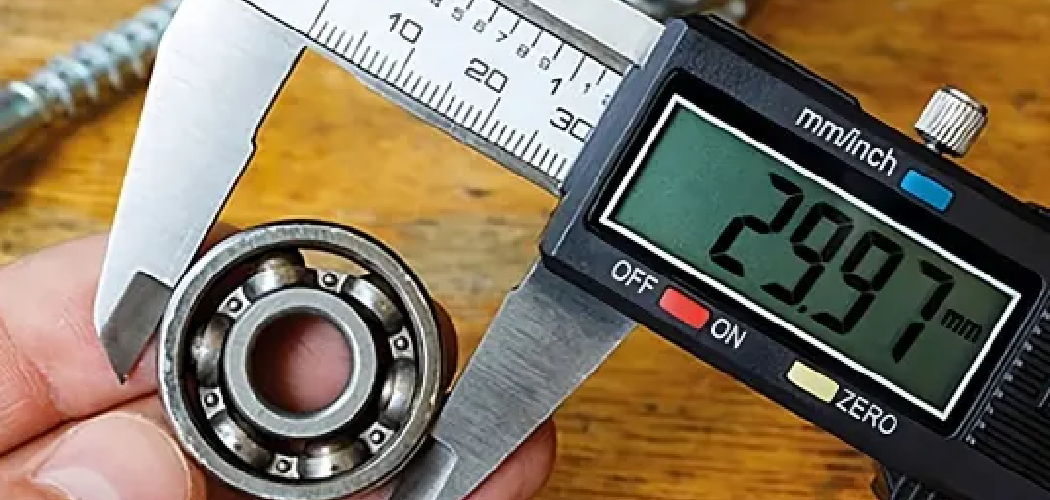
Measuring a bearing comes down to three numbers. Grab a digital caliper and record the inner diameter (bore), the outer diameter, and the width. Clean the part first, take a few readings rather than one, then match those figures against a manufacturer’s catalog to track down the right replacement. Bearing measurement seems like a minor … Read more

How to Bend Galvanized Steel Pipe

How to Bend Galvanized Steel Pipe

To bend galvanized steel pipe, secure it in a pipe bender, mark your bend point, apply slow and steady pressure, and check the angle as you go. Working gradually prevents kinks and cracks in the zinc coating. Always wear protective gear—heating galvanized steel can release toxic fumes. Bending galvanized steel pipe sounds like the kind … Read more

How to Make Metal Table Legs

How to Make Metal Table Legs

Galvanised steel is one of the toughest materials you’ll find in modern manufacturing and home construction. From outdoor furniture to industrial fencing and structural supports, it holds up remarkably well against the elements. But even the most durable surfaces collect grime over time—and if left unchecked, that buildup can compromise both appearance and structural integrity. … Read more

How to Grease Bearings

How to Grease Bearings

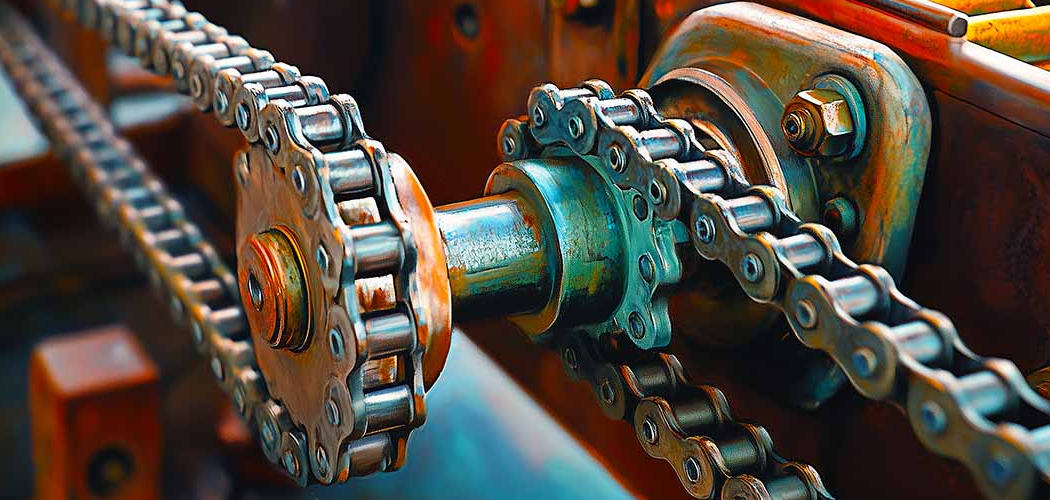
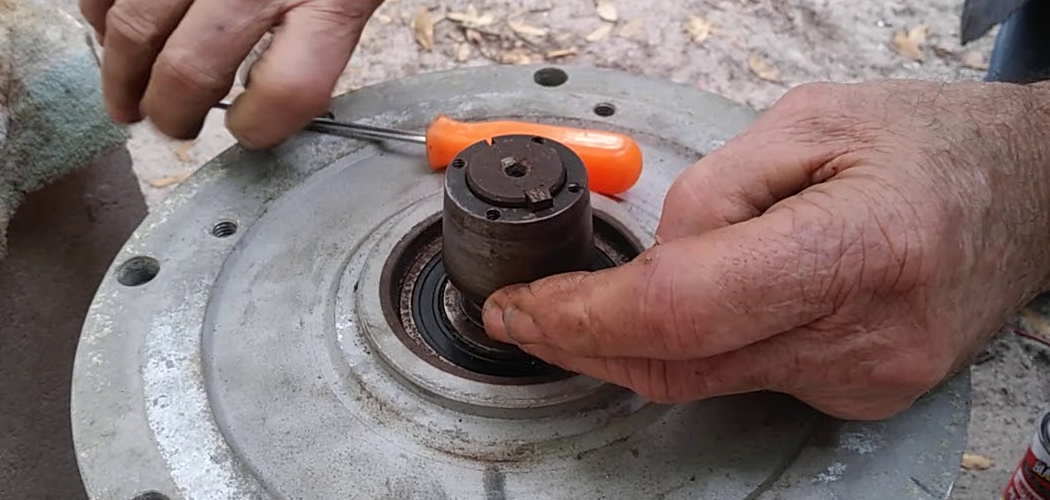
Bearings work harder than almost any other part in a machine. Most of the time, nobody thinks about them at all—until one starts to squeal, grind, or seize up entirely. If you keep up a car, a trailer, a tractor, or any industrial gear, well-greased bearings are what keep things turning quietly and without drama. … Read more

How to Make Metal Table Legs

How to Make Metal Table Legs

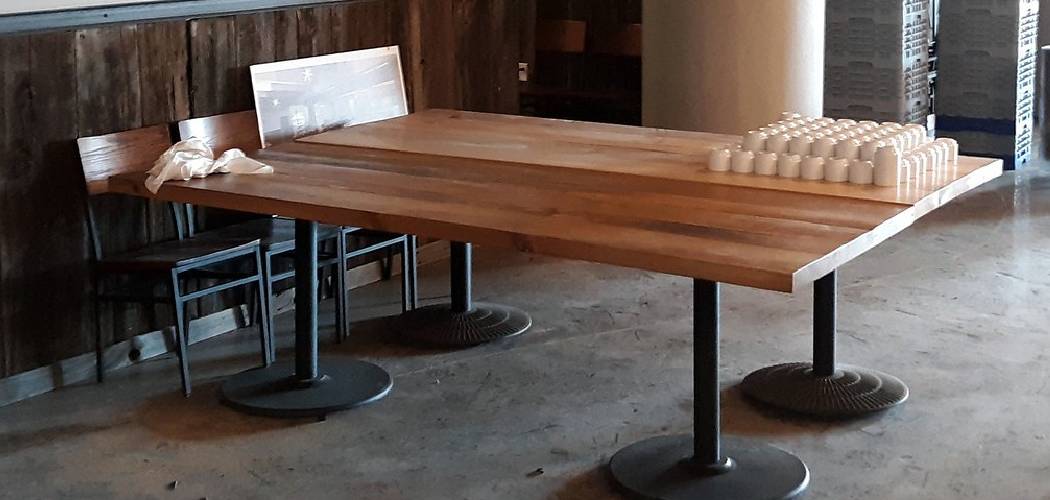
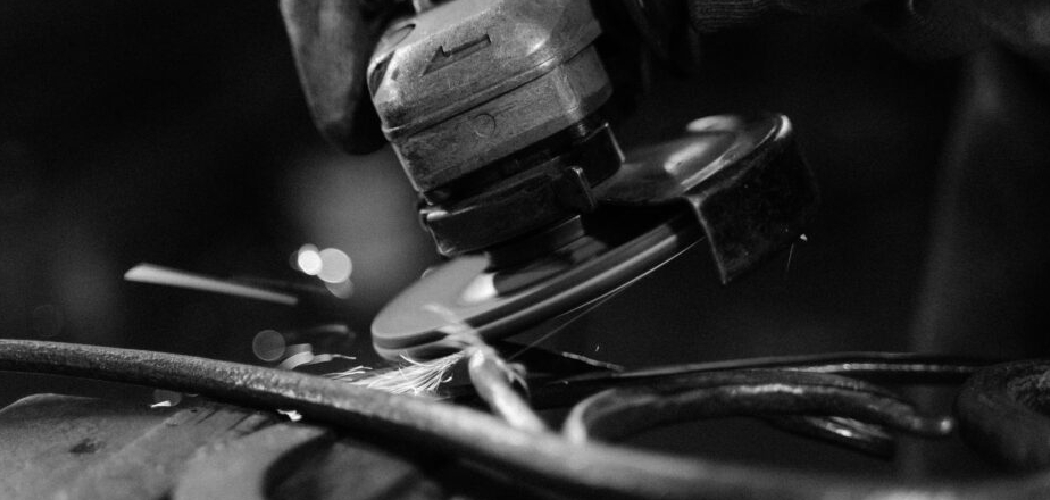
To make metal table legs, you’ll need steel tubing or angle iron, a saw or angle grinder, a welder, measuring tools, and finishing supplies. Cut the metal to size, weld it into shape, grind the rough edges, then prime and paint. With basic tools and a free Saturday, you can build sturdy custom legs at … Read more

How to Use Gauge Blocks

How to Use Gauge Blocks

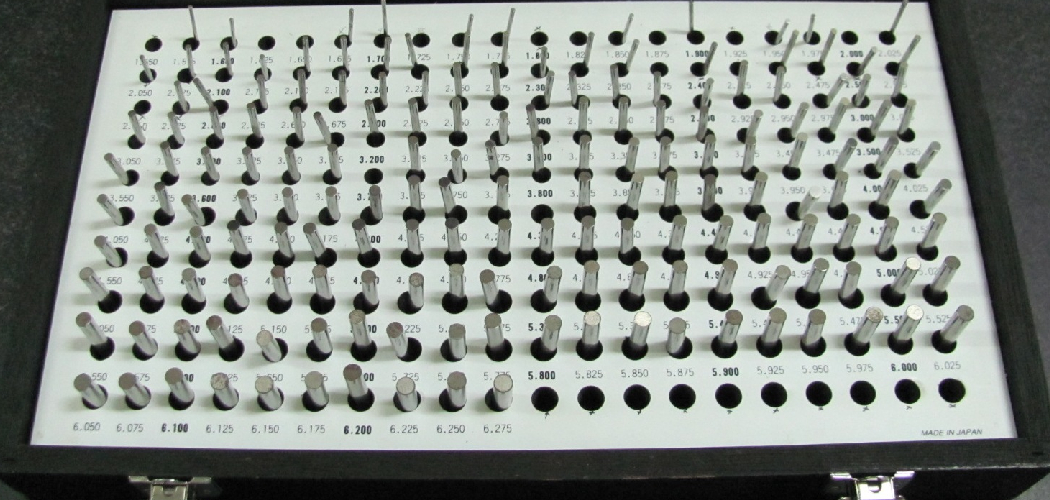
Start by cleaning both your hands and the blocks to strip away oils and debris. Pick the smallest number of blocks that add up to your target dimension. Slide and wring them into a single solid stack, then use that stack to calibrate or check your precision instruments. Precision measurement holds modern manufacturing together. Every … Read more

How to Choose Cutting Fluid

How to Choose Cutting Fluid

To choose the right cutting fluid for machining, evaluate the workpiece material, the specific machining operation, and your tooling. Select from straight oils, soluble oils, semi-synthetics, or synthetics based on the necessary balance of cooling and lubrication, while actively considering health, safety, and proper disposal requirements. Selecting the right cutting fluid doesn’t always get the … Read more

How to Install a Keyway

How to Install a Keyway

Installing a keyway involves preparing the shaft and hub, measuring the required dimensions, cutting the slot using a broach or milling machine, and fitting the key securely. Proper alignment and precise measurements are essential to ensure efficient power transmission and prevent mechanical failure in your rotating machinery. A keyway is one of those mechanical features … Read more

How To Use A Bench Vise

How To Use A Bench Vise

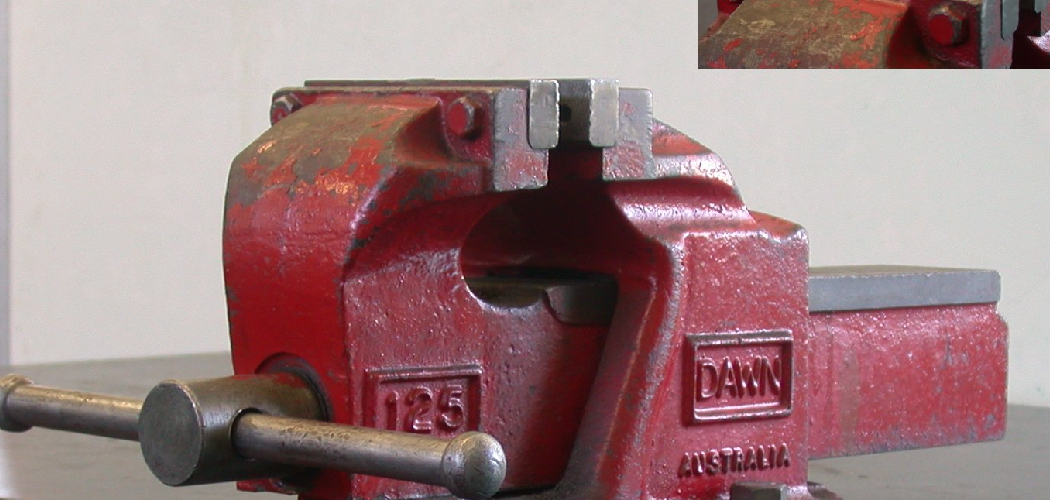
A bench vise securely holds materials in place while you cut, drill, or sand them. To use one safely, securely mount the vise to a workbench, open the jaws slightly wider than your material, insert the object, and tighten the handle firmly. Always wear safety gear and clean the mechanism afterward. Using workshop equipment correctly … Read more